
Retired Division Chief, USFS · Updated November 16, 2026
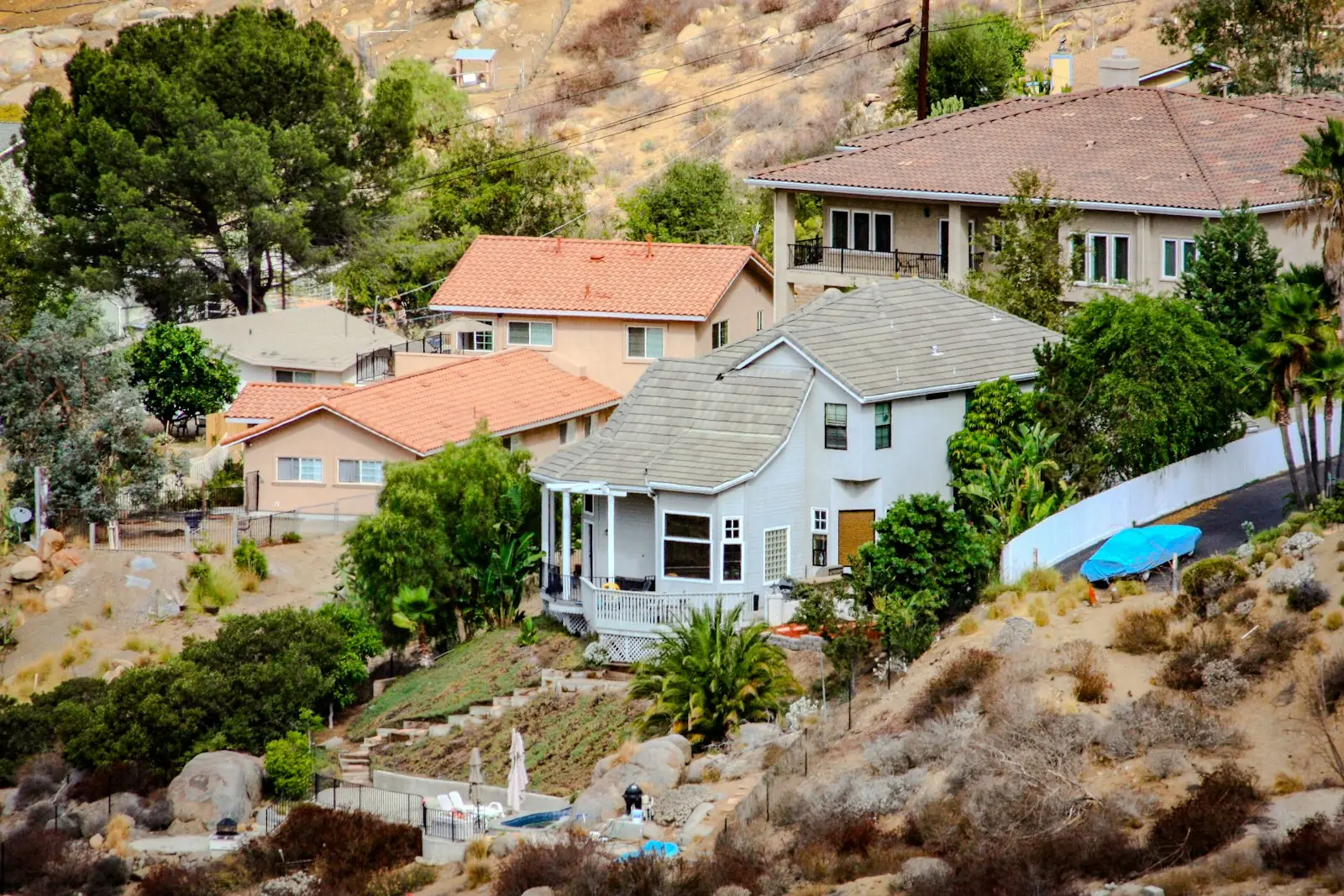
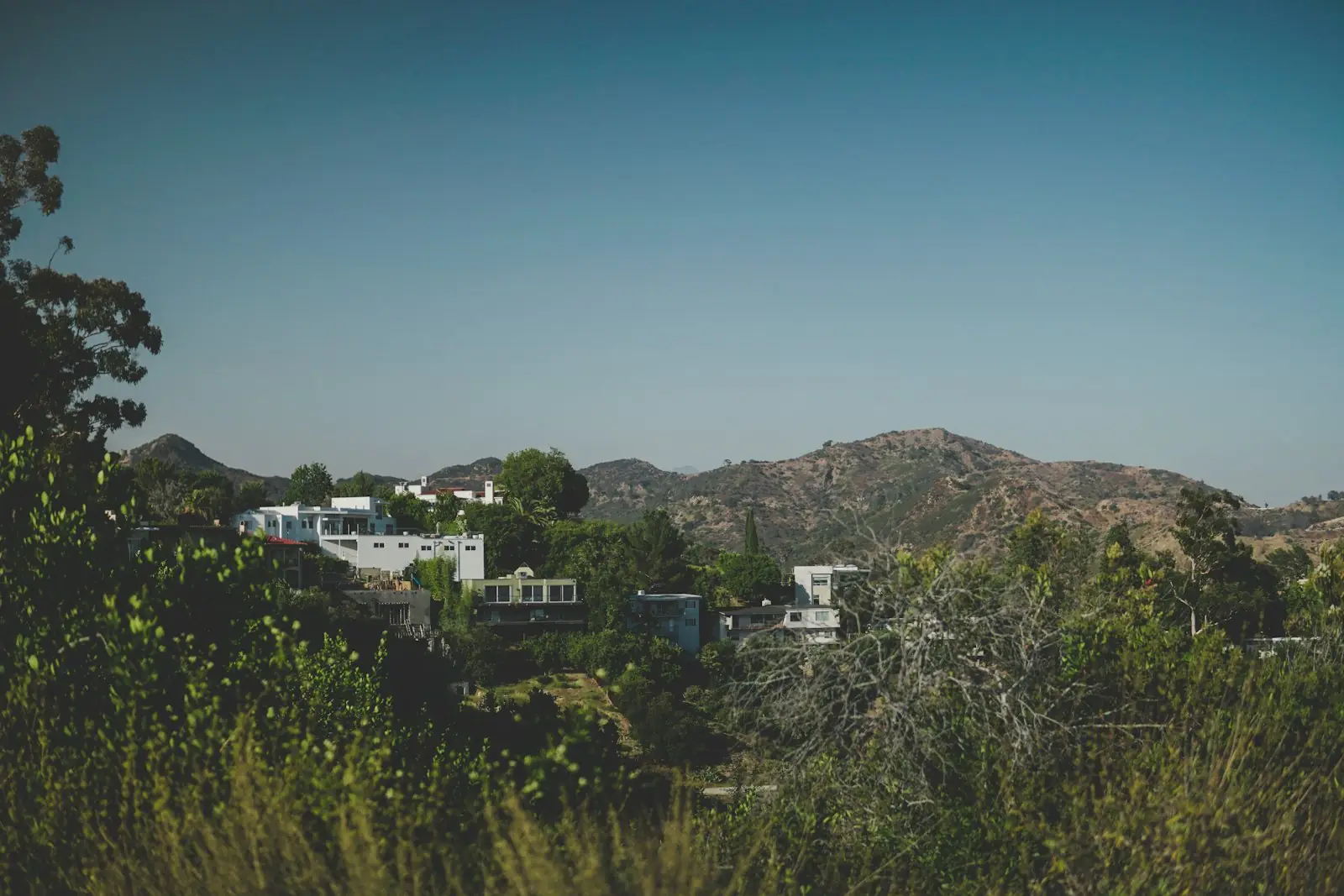
If you own a home on the west side of Carson City, in Kings Canyon, or out toward the northeast edge of town, you are living where neighborhoods meet open land. The good news is that the city's fire department offers real help with defensible space, and much of it is free. This guide covers what the department provides, how the zones work in Nevada's sagebrush and pine country, and which construction standards apply to homes in the mapped wildland urban interface (WUI).
Free defensible space inspections in Carson City
The Carson City Fire Department's Wildland Fuels Division has provided defensible space inspections to residents at no cost since 2006. The program is funded through a Bureau of Land Management grant, and the inspection covers defensible space, vegetation management and construction standards. The assessment is based on the University of Nevada, Reno Living with Fire program and the pending 2024 International Wildland Urban Interface Code (IWUIC), according to the city.
The city's own program pages describe this as a service that gives homeowners recommendations. A department staffer has said the same thing publicly: "We also offer free defensible space inspections," in a 2023 Nevada Appeal interview. If you want an official read on your lot, this is the first call to make, and it costs nothing. Contact the Carson City Fire Department through its Wildland Fuels Division page on carsoncity.gov to request one.
A few more things worth knowing:
- In 2023 the department evaluated 71 neighborhoods as part of its Community Wildfire Protection Plan, so the department already has a picture of your area.
- In northeast Carson City (the Goni area), a separate federal grant program has offered free defensible space inspections, dead vegetation removal, firebreak work and brush removal along roads and driveways. Eligibility depends on where you live, so ask the department.
The free trailer and dumpster program
The biggest practical hurdle with defensible space is not cutting the brush. It is getting rid of it. Carson City's Fuels Collection program drops off a 7 by 12 foot trailer or a 22 cubic yard dumpster for you to fill with the vegetation you cut.
The program is normally offered to residents in or next to the WUI, and the department extends it to residents of recognized Firewise communities. The department's instructions are specific: do not place the waste in the trailer or dumpster in bags. Under the program, the material is limited to natural fuels such as pine needles, dead grass and fallen branches, not construction or manmade materials.
Demand is real. In 2022 the fire chief said the program was booked several months out. That is one reason to schedule early in the off-season rather than waiting for spring growth.
How the three zones work in Carson City
Nevada follows the same three-zone model used across the Sierra and Great Basin, published by the University of Nevada, Reno Extension's Living with Fire program. If you want the full breakdown, see our guide to defensible space zones. Here is how it applies locally.
Zone 0 (0 to 5 feet). Per the Living with Fire guide, this zone should be cleared of woodpiles, wood mulch and other combustible mulch, junipers, sage and other high-hazard plants, dead leaves, pine needles and weeds. The Nevada State Fire Marshal suggests irrigated herbaceous plants, rock mulch, or hard surfaces such as concrete, brick and pavers here. Carson City's design standards say the area from the foundation out to 5 feet must be noncombustible material or fire-resistant vegetation for homes in the WUI. Our five-foot zone guide covers the practical details.
Zone 1 (5 to 30 feet). This is the "lean, clean and green" zone. Lean means little flammable vegetation, clean means no buildup of dead material, and green means plants are healthy and irrigated during fire season. The extension guide notes that mulch can be used, but not continuously, and should be surrounded by noncombustible options such as decomposed granite or irrigated lawn.
Zone 2 (30 to 100 feet or more). The goal is to slow fire and keep it out of tree crowns. In pine-dominated areas, the guide says pine needles on the ground should not exceed 3 inches in depth, and you should remove ladder fuels. On slopes, Nye County's Nevada guidance advises extending beyond 100 feet downhill because fire moves faster uphill.
Cheatgrass and sagebrush: the Nevada twist
A Sierra pine lot and a Carson Valley sagebrush lot need different work. The Nevada Fire Marshal describes the outer zone as typically cheatgrass, sagebrush, bitterbrush and other wild plants. Cheatgrass cures early and carries fire quickly, which is why the fire department has urged residents to deal with it each spring. Our piece on flashy fuels explains why fine fuels like this matter so much for ignition.
The city also runs a seasonal grazing effort: the department and Open Space bring back sheep that reduce hazardous fuels along the west side of Carson City every spring. That helps with open land, but it does not replace work on your own lot.
Building standards in the Carson City WUI
Defensible space is only half the picture. Homes in the mapped WUI also have construction requirements, and these matter for new builds, additions and re-roofs. The city's design standards page says projects in the WUI must comply with the 2018 International Wildland Urban Interface Code, and you can check whether your address is in the WUI using the city's MapGEO tool. The same page notes that:
- Most locations in the Carson City WUI fall under Class 1 ignition-resistant construction.
- Class A roof covering is required, and wood shake or shingles are prohibited.
- Gutters and downspouts, if installed, must be noncombustible.
Note that the fire department's inspection page references the pending 2024 edition of the code, while the design standards page lists 2018. Code editions change, so confirm with the department which one applies to your project before you order materials. For roofing specifics, see our Class A roof guide.
Why this matters here
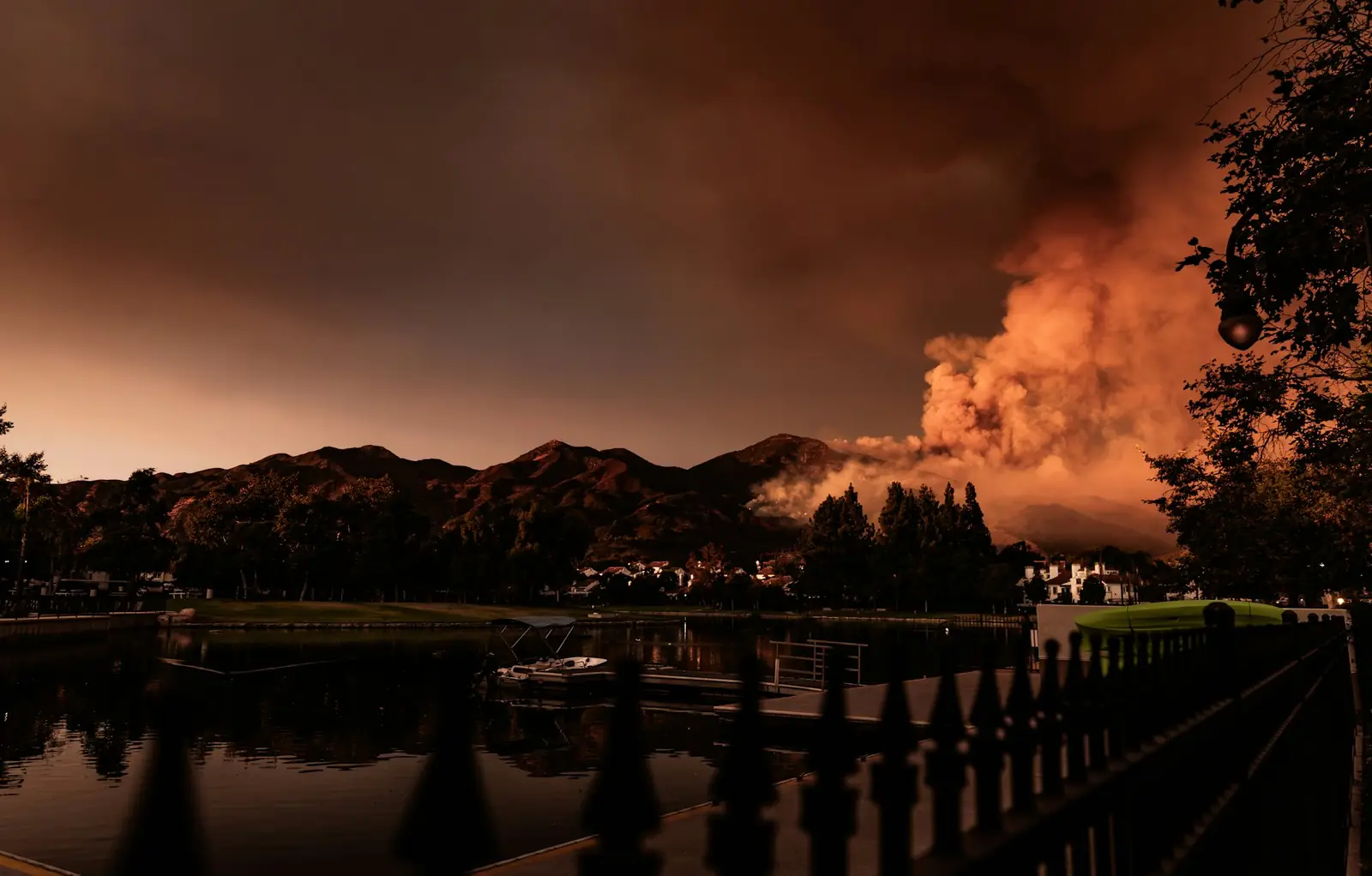
Carson City has not had a recent catastrophic fire, but it has had one. A city wildland fuels officer noted in 2015 that the 2004 Waterfall fire burned 21 homes in Kings Canyon. His warning to residents was not to get complacent. The department has also credited defensible space and riparian areas with helping crews hold the 2018 Jacks Valley fire with no structures lost.
What this means for your home
Here is a sensible order of operations, based on how firefighters think about ember exposure.
- Check your WUI status. Look up your address on the city's MapGEO tool so you know which construction standards apply.
- Request the free inspection. A written set of recommendations from the fire department is the best starting point and gives you something to document.
- Start at the house, not the hillside. Clear Zone 0 first: remove wood mulch, firewood, dead needles and junipers or sage against the foundation. Embers are the main way homes ignite, as we explain in Embers, not flames.
- Book the dumpster or trailer early. Schedule it before you start cutting so you are not stuck with piles.
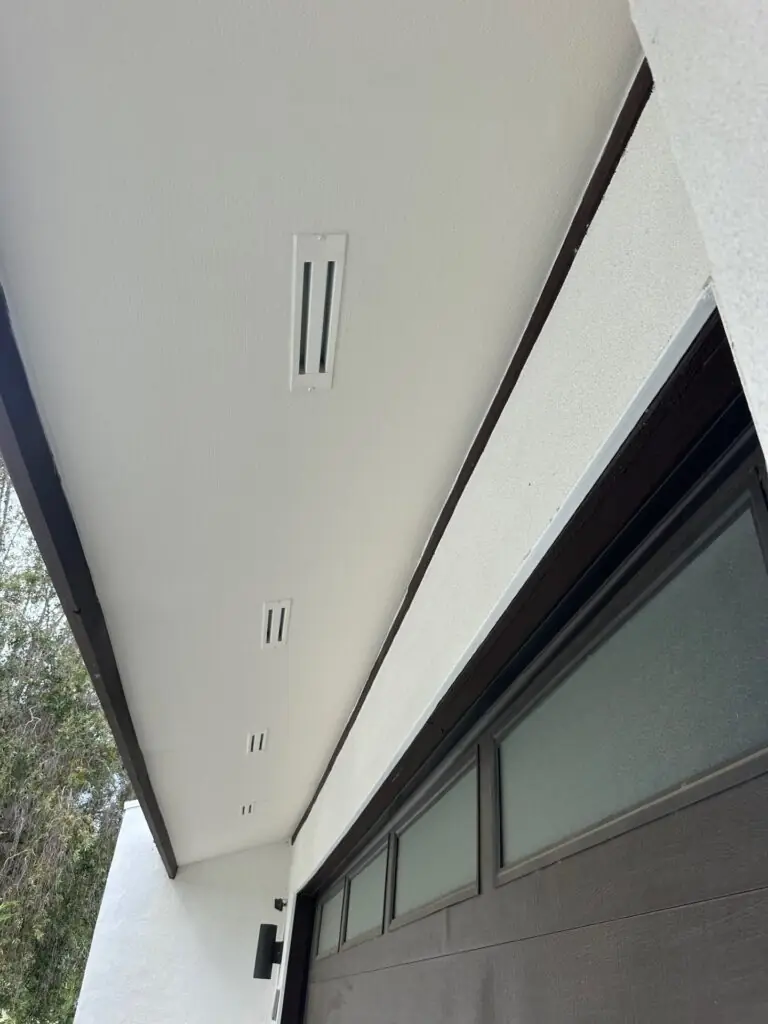
- Look at the building envelope. Vents, gutters, decking and windows are where embers get in. Our vents and gutters work addresses these points.
- Document everything. Keep dated photos before and after, the inspection notes and receipts. Some Nevada carriers ask about defensible space and mitigation, and our Nevada and Lake Tahoe insurance page explains what to ask. Your carrier sets final pricing, and no mitigation step guarantees a discount.
If you want a second set of eyes from former firefighters, our free home hardening assessment is a no-pressure option. You can also see Carson City service details or email info@wetlinedefense.com.
Frequently asked questions
Is the Carson City defensible space inspection really free?
Yes. The Carson City Fire Department's Wildland Fuels Division says it has provided defensible space inspections to residents at no cost since 2006. Availability may depend on your location and staffing, so contact the department directly.
How much defensible space do I need in Carson City?
The Nevada guidance used locally describes three zones: 0 to 5 feet, 5 to 30 feet, and 30 to 100 feet or more. Steeper slopes and heavier fuels call for more distance. The fire department's inspection will give you recommendations specific to your lot.
Does defensible space lower my homeowners insurance in Nevada?
It may help with underwriting or renewal, but there is no guarantee. Carriers set their own rules and your carrier sets final pricing. Keep your inspection notes and photos so you can show what you have done.
Sources
- Wildland Fuels Division, Carson City Fire Department
- Carson City Fire Department Design Standards
- Nevada Fire Marshal: Defensible space around homes and property help defend against wildfire (Carson Now)
- Fire department urging residents to create defensible space (Nevada Appeal)
- Living With Fire Defensible Space Guide (University of Nevada, Reno Extension)
- Carson City Community Wildfire Protection Plan, August 2023
- As climate heats, more Carson City homeowners take advantage of Wildland Fuel Reduction program (Carson Now)
- Goni community wildfire workshop Tuesday (Nevada Appeal)
- Carson City firefighters train, encourage homeowners to clear defensible space (Carson Now)
- Defensible space key to protecting homes (Nevada Appeal)
- Create Defensible Spaces (Nye County, NV)
This article is general information, not insurance or legal advice. Your carrier sets final pricing and eligibility.
 By Craig Weeks