Autonomous Wildfire Sprinklers
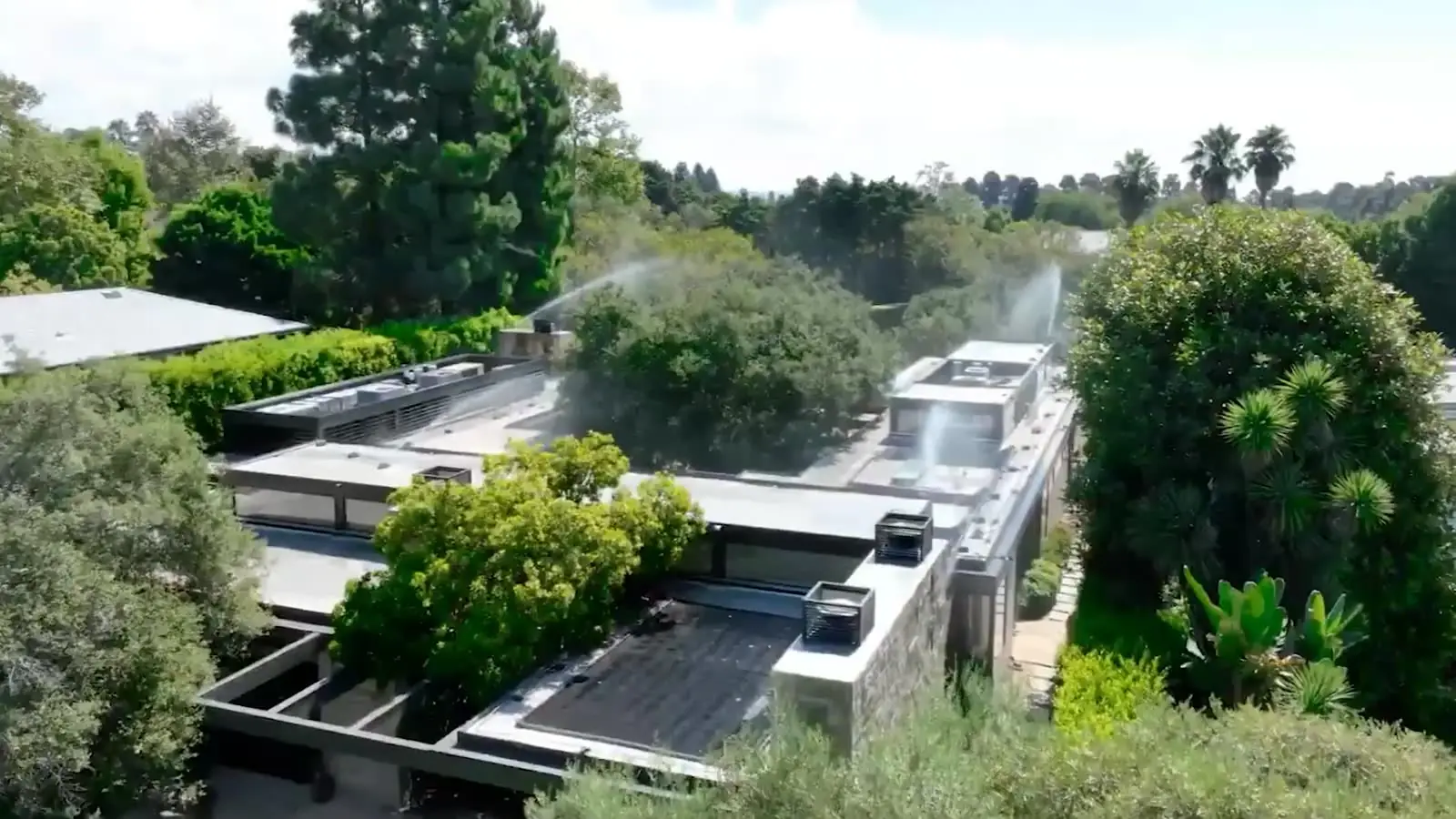
Heat and ember sensors start a roof and perimeter spray of water mixed with biodegradable Class A retardant. The system runs off the grid from your pool or a dedicated tank, whether or not anyone is home.
[ 01 ]The problem
Why this layer matters.
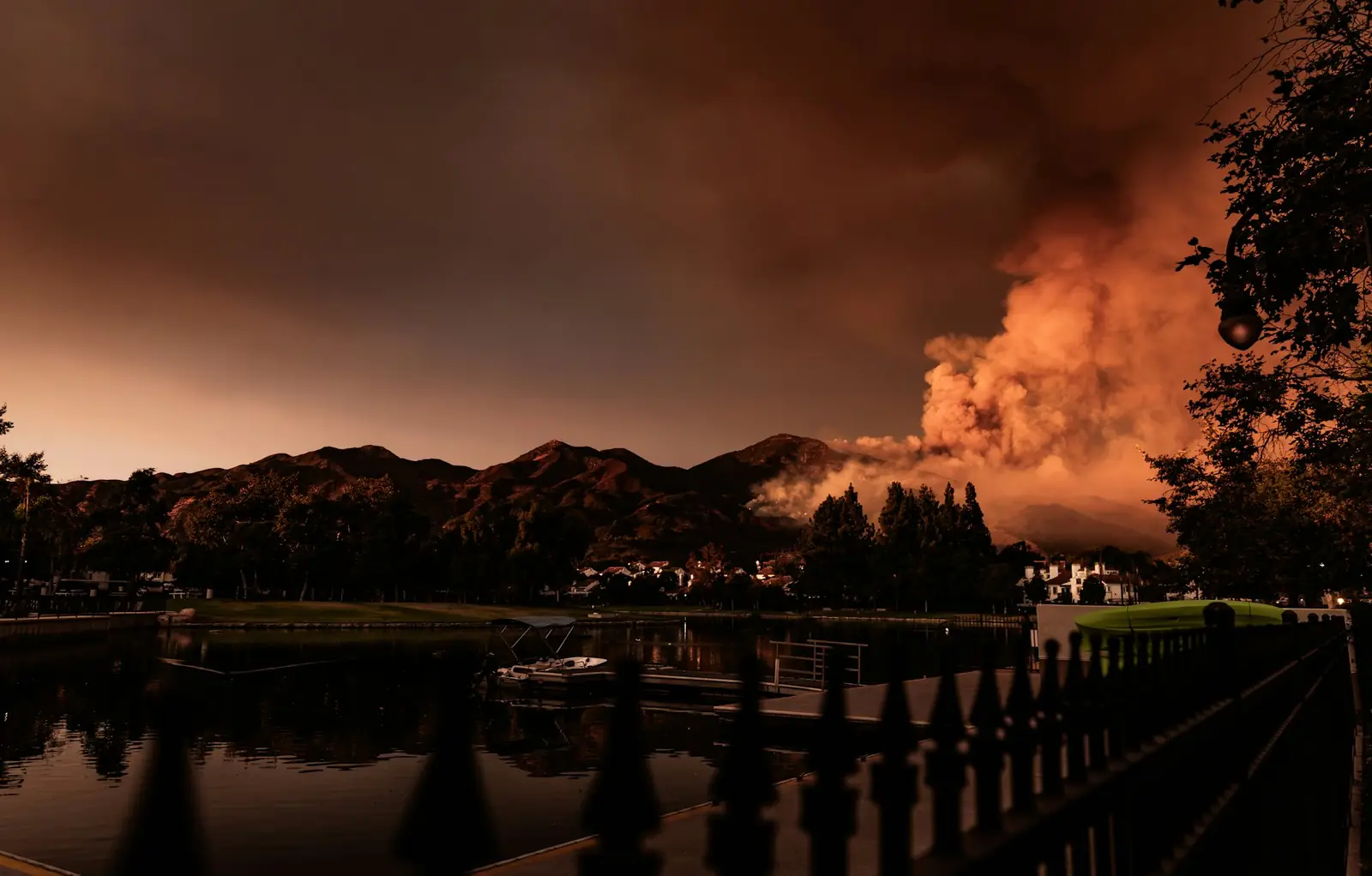
Firefighters can't be at every house during a wind-driven fire, and most homes are lost hours after the front passes, to embers no one is there to put out. An exterior sprinkler system keeps the roof, eaves and the ground around the house wet through the worst of the ember storm, then keeps working while you are evacuated.
[ 02 ]How we install it
Specified by firefighters. Built by craftsmen.
Every install follows the same four steps and ends with documentation for your insurer.
Site design
A retired fire officer maps roof planes, prevailing wind and water supply, then sizes heads and pump for your home.
Install
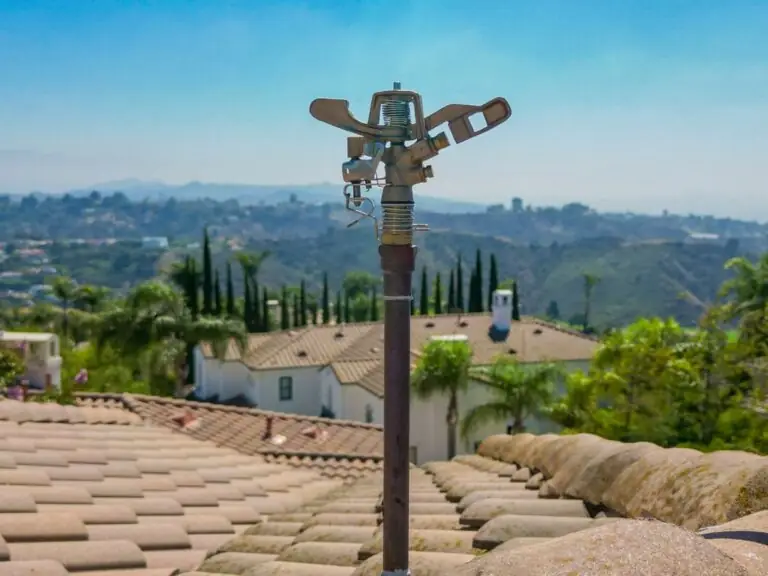
Copper supply lines and brass heads go in out of sight. No plastic anywhere radiant heat can reach.
Water and power
We connect to your pool or a dedicated 5,000 to 30,000 gallon tank with an independent pump and power.
Commission
We test sensors, app control and coverage, then log the system for your insurer.
[ 03 ]Specifications
- Coverage
- Up to 60 ft per head
- Activation
- Heat and ember sensors, app, manual
- Water
- Pool or dedicated tank
- Agent
- Class A retardant, plant based
- Hardware
- Copper pipe, brass heads
- Warranty
- Lifetime on pump and retardant
[ 04 ]Planning your project
What shapes your autonomous sprinklers plan.
Every home is different. These are the factors a Wetline specialist looks at during your free assessment.
Roof size and shape
More roof planes, ridgelines and valleys mean more heads and longer supply runs.
Water source
A pool can often supply the system. Homes without one need a dedicated tank, sized for how long the system must run.
Power and pump
An independent pump and power source keep the system working when utilities are cut.
Terrain and exposure
Homes on ridgelines or above canyons often need perimeter heads that wet the slope below the house.
[ 05 ]Where we install
Autonomous Wildfire Sprinklers across Los Angeles, Lake Tahoe and Nevada.
[ 06 ]Learn more
Guides on autonomous sprinklers.
Exterior Wildfire Sprinklers: What to Know Before You Install
Rooftop wildfire sprinklers can protect a home through an ember storm, but only if they're designed right. Water supply, power and hardware are what separate real systems from garden hoses.
Oct 07, 2026 · 3 min read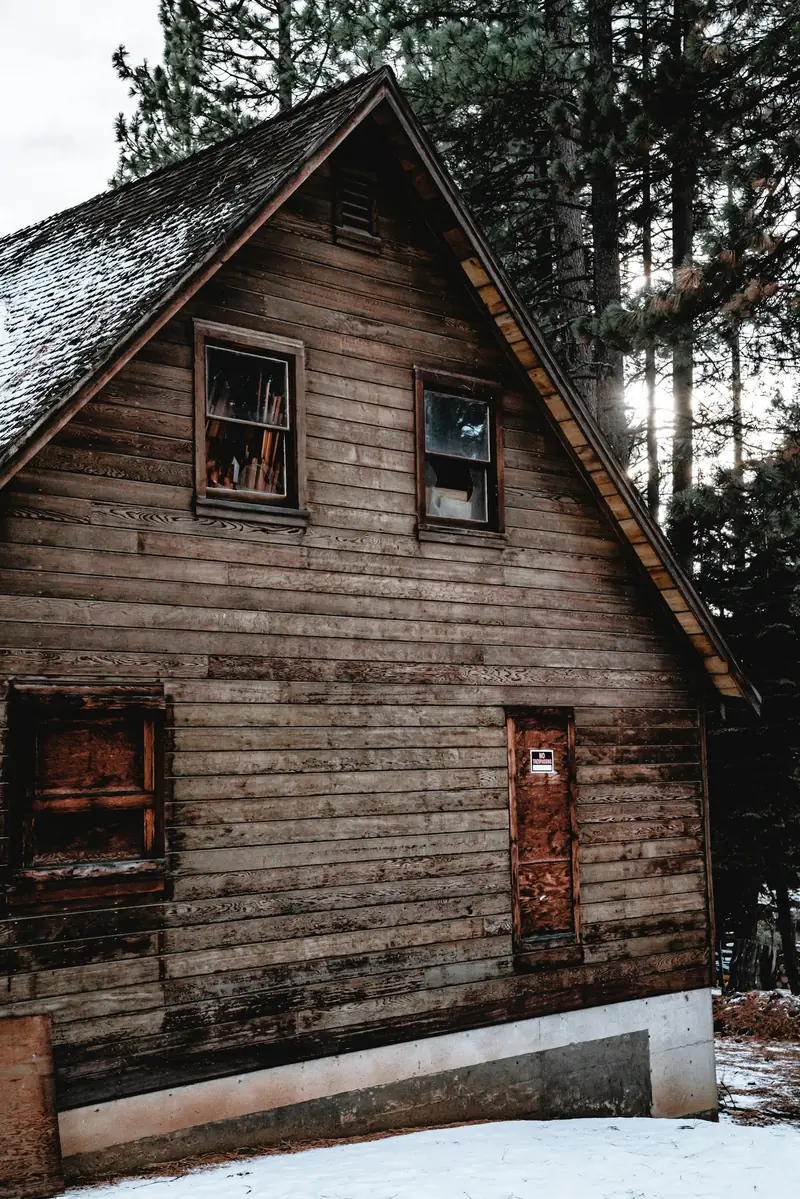
Protecting a Second Home from Wildfire When You're Not There
Vacation homes in Tahoe, Malibu and the mountains often sit empty during fire season. Here's how to protect a home no one is watching.
Jul 29, 2026 · 3 min read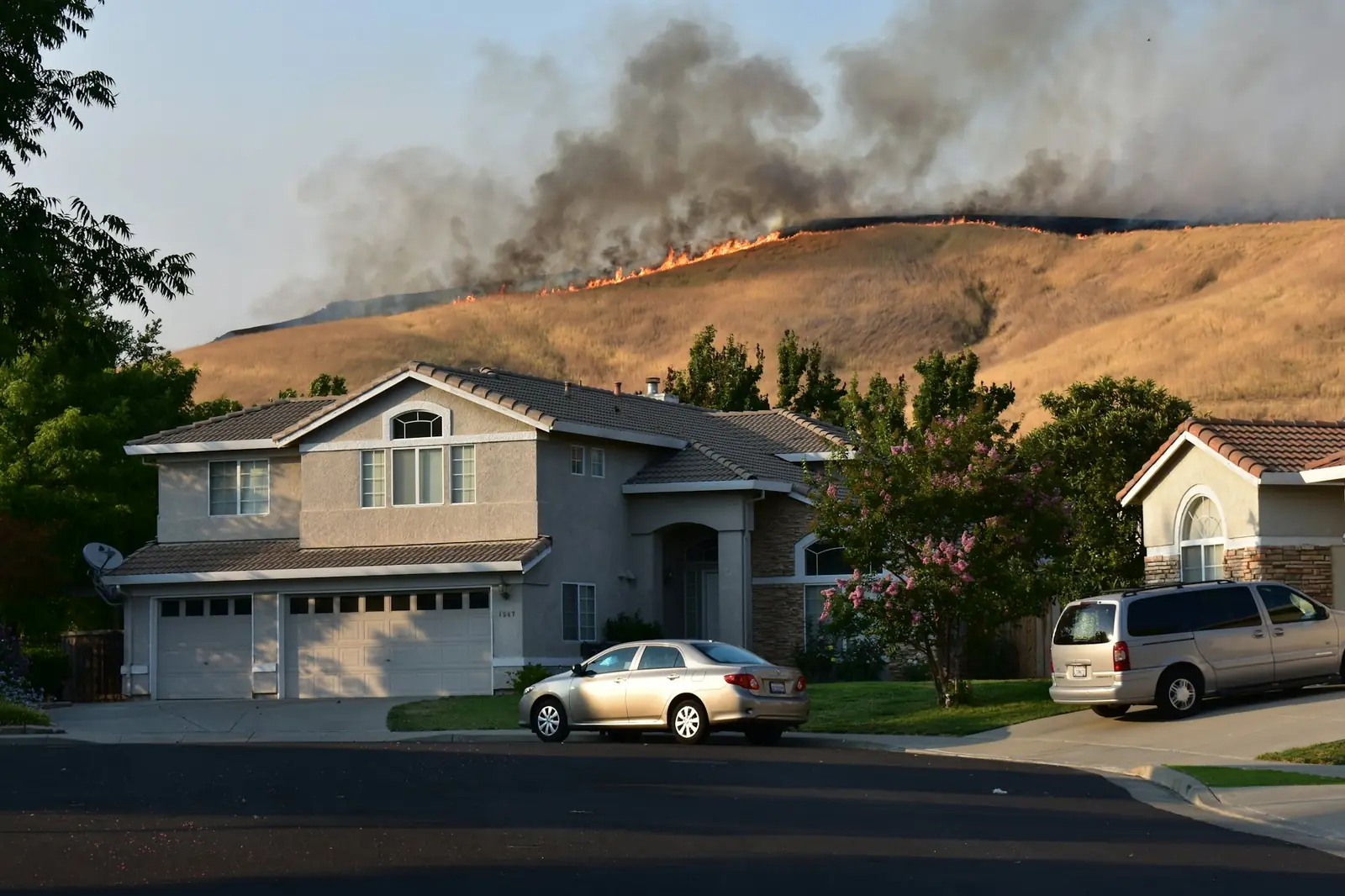
Embers, Not Flames: How Most Homes Actually Burn in a Wildfire
Homes often survive the fire front and ignite hours later. Understanding ember attack is the key to protecting a house in fire country.
Oct 14, 2026 · 3 min read[ 07 ]Works best with
The other layers.
 →Layer 02 · Passive defense
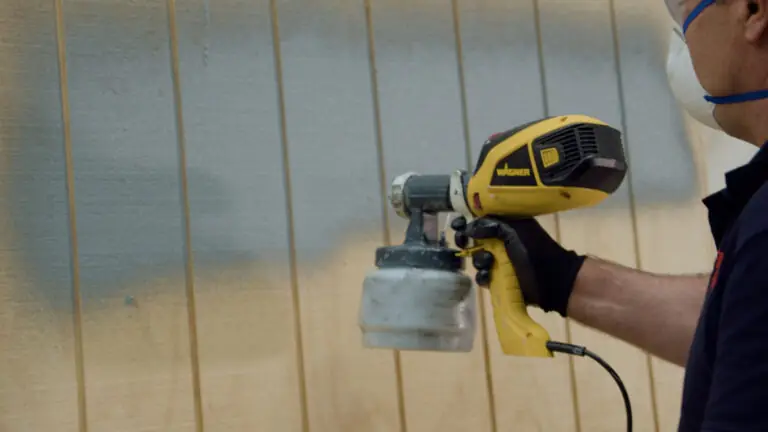
Fire-Retardant Paint and Coatings
An intumescent coating looks like ordinary paint until it meets heat. Then it swells into a thick insulating char that shields the siding, eaves and…
 →Layer 03 · Ember defense
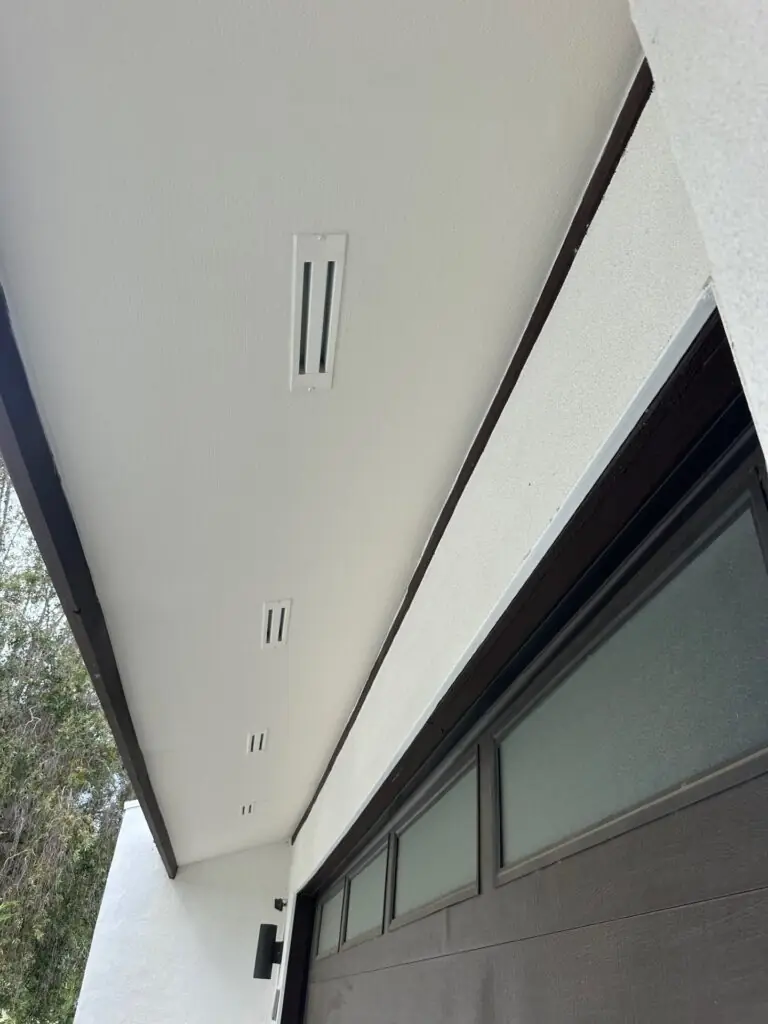
Ember-Resistant Vents and Gutters
Attic and foundation vents are the most common way embers get inside a house. Fine metal mesh stops them at the opening, and noncombustible gutter…
 →Layer 04 · Glazing defense
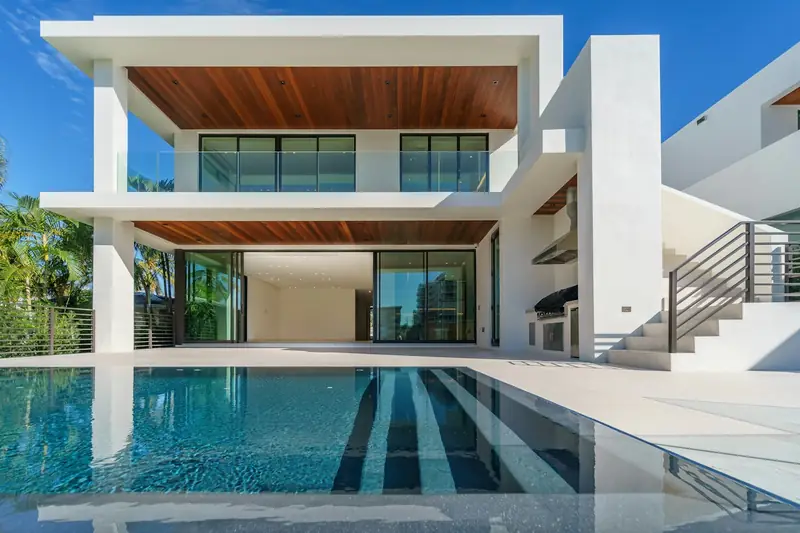
Wildfire Window Laminates
Glass breaks under radiant heat and lets embers straight into the house. A heat-resistant film holds the pane together, so you can protect the…
[ ? ]FAQ
Autonomous sprinklers questions.
Still deciding? Call or text 310-569-4523.
Will the sprinklers work in a power outage?
Yes. Systems run on their own pump and power and draw from a pool or tank, so they keep working when utilities are cut.
Do the sprinklers waste water?
The retardant mix cools surfaces far faster than plain water and extends usable water by roughly half, so a tank lasts longer during an event.
Can the heads be hidden?
Yes. We design every layout around the architecture, and most heads sit below rooflines or behind parapets.