
By Craig Weeks
Founder, Chief Technical Designer · Updated November 05, 2026
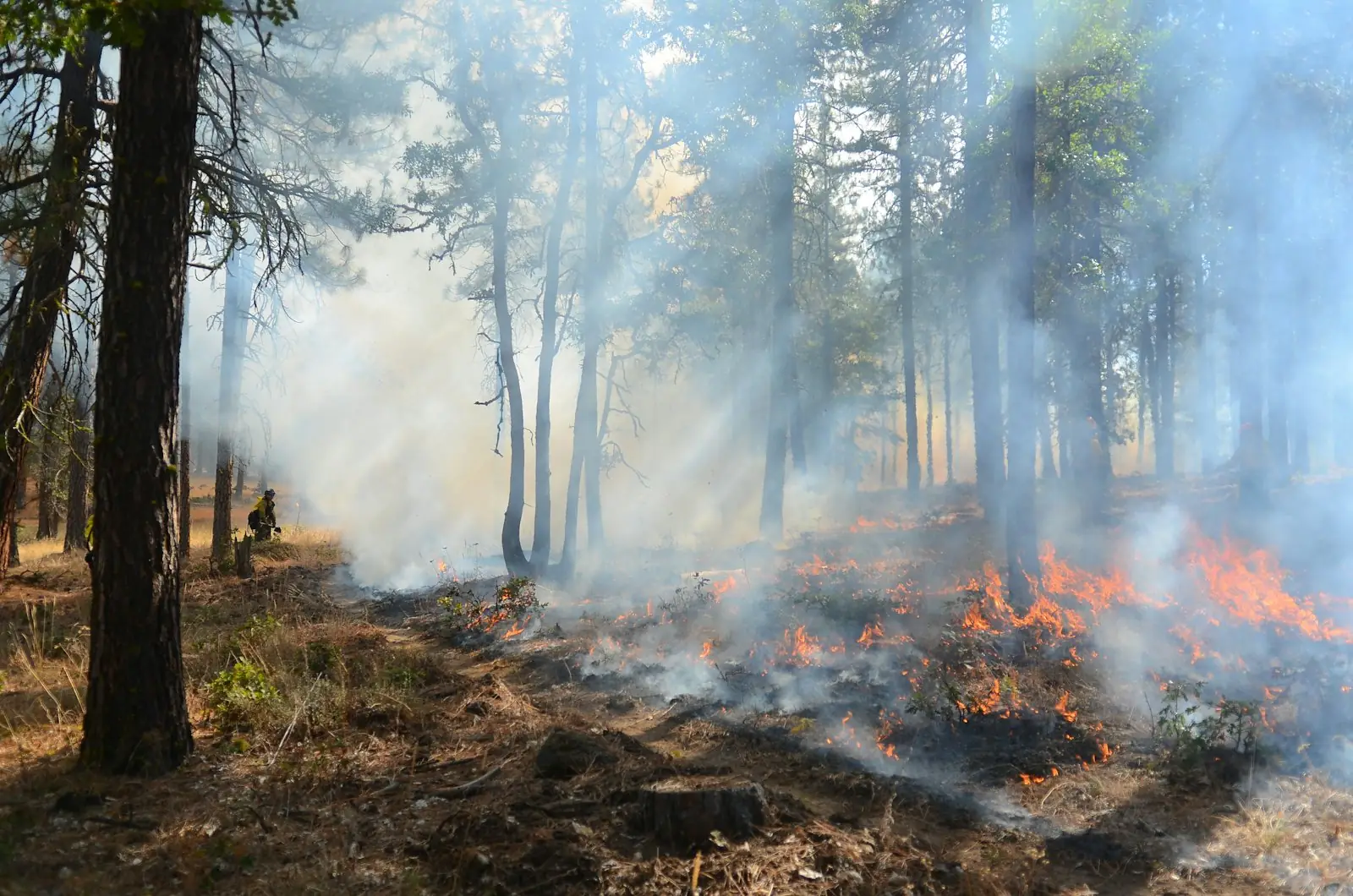
Firefighters have a name for the material that turns a stray ember into a house fire: flashy fuels. You probably have some within a few feet of your home right now. This guide explains what they are, where they hide and how to deal with them, based on notes from Wetline founder Craig Weeks, a retired Division Chief with the Los Angeles County Fire Department.
What flashy fuels are
Flashy fuels, also called light, fine or 1-hour fuels, are the thinnest, driest material in the landscape. The national wildland fire glossary describes fine fuels as fast-drying material less than a quarter inch in diameter that will "ignite readily and are consumed rapidly by fire when dry" (NWCG).
Think dry grass, dead leaves, pine needles and small twigs. If it's thin, dry and dead, it's probably a flashy fuel.
Why they matter
They dry out in about an hour. Flashy fuels are called 1-hour fuels because they gain or lose moisture to match the air in roughly an hour. A damp, calm morning can become a dangerous afternoon once humidity drops and wind picks up.
They set how fast a fire first spreads. Flashy fuels carry fire across the ground quickly, and they make the heat that ignites bigger, slower fuels: branches, fences, decks and eventually the house.
They're where embers land. Embers cause up to 90 percent of home ignitions, according to the Insurance Institute for Business & Home Safety (IBHS). An ember that lands on bare ground or a hardened surface usually goes out. An ember that lands in a gutter full of dry needles doesn't. Read more in our guide to how embers burn homes.
The types of flashy fuels, and where they hide
| Flashy fuel | Where it collects around a home |
|---|---|
| Dry grasses, such as cheatgrass and wild oats | Slopes, lot edges, fence lines and driveways |
| Dead leaves and fine litter | Gutters, roof valleys, under decks and against walls |
| Pine needles | Roofs, gutters and deck corners |
| Ferns, weeds and other fine plants | Planting beds next to the house |
| Tree moss and lichen | Trees and shrubs that hang near the roof |
| Fine twigs and small brush | Under shrubs and in piles of trimmings |
How to clear flashy fuels
- Start at the house and work out. The first five feet matter most. Our five-foot zone guide covers what to remove.
- Clean gutters, roof valleys and the roof. Needles and leaves collect where embers also collect.
- Get under the deck. Leaves and debris blow under decks and sit there out of sight.
- Mow and rake fence lines. Dry grass along a wooden fence is a fuse that runs to the house.
- Haul trimmings away. A pile of cut brush is a pile of flashy fuel.
- Check again after windy days and before red flag warnings. Flashy fuels come back.
How hardening helps
Clearing flashy fuels is maintenance; it needs repeating. Hardening makes your home less dependent on it:
- Ember-resistant vents and gutter guards keep needles and litter out of gutters and embers out of the attic.
- Fire-retardant coating protects the fences, decks and siding that flashy fuels would ignite.
- Pre-treatment coats landscaping before fire season or a red flag day.
- Autonomous sprinklers wet the roof and the ground around the house when fire is close.
On days when fire danger runs high, our Burning Index guide explains what the fire service is watching.
Not sure where flashy fuels collect around your home? A Wetline firefighter will walk your property for free and show you. Book a free assessment.
Frequently asked questions
What are flashy fuels?
Flashy fuels are fine, dry wildland material less than a quarter inch in diameter, such as dry grass, dead leaves, pine needles and small twigs. They ignite easily and burn quickly when dry. Firefighters also call them light, fine or 1-hour fuels.
Why are they called 1-hour fuels?
Because they gain or lose moisture to match the surrounding air in about an hour. That is why fire danger can rise quickly over a single afternoon.
Can green plants be flashy fuels?
Fine fuels can be dead or live. Dry, fine live plants such as cured grasses and weeds can behave like flashy fuels, especially late in the season.
How often should I clear flashy fuels?
Check gutters, roofs, decks and fence lines regularly during fire season, after windy days and before red flag warnings. Flashy fuels build up again quickly, especially under pine trees.
Does clearing flashy fuels help with insurance?
Clearing vegetation and debris near the house is part of California's defensible space rules and of mitigation programs insurers recognize. Our guide to Safer from Wildfires explains which mitigations count.