Defensible space is the buffer between your home and the vegetation around it. It slows a fire, reduces how intense it gets near the house and gives firefighters room to work. In California and many Western states, defensible space is organized into zones measured outward from the walls of the home.
Here is how each zone works, what belongs in it, and how it fits with home hardening.
Zone 0: 0 to 5 feet (the ember-resistant zone)
Zone 0 is the area immediately around the house, including under decks and attachments. It is the most important zone because this is where embers land and collect against the structure.
Goal: nothing that can burn.
- Replace bark mulch with gravel, pavers or bare soil
- Remove dead plants, leaves and needles, including from roofs and gutters
- Move firewood, lumber and combustible furniture away from the house
- Replace wood fencing and gates that attach to the house with metal for the last five feet
- Keep the area under decks and stairs clear
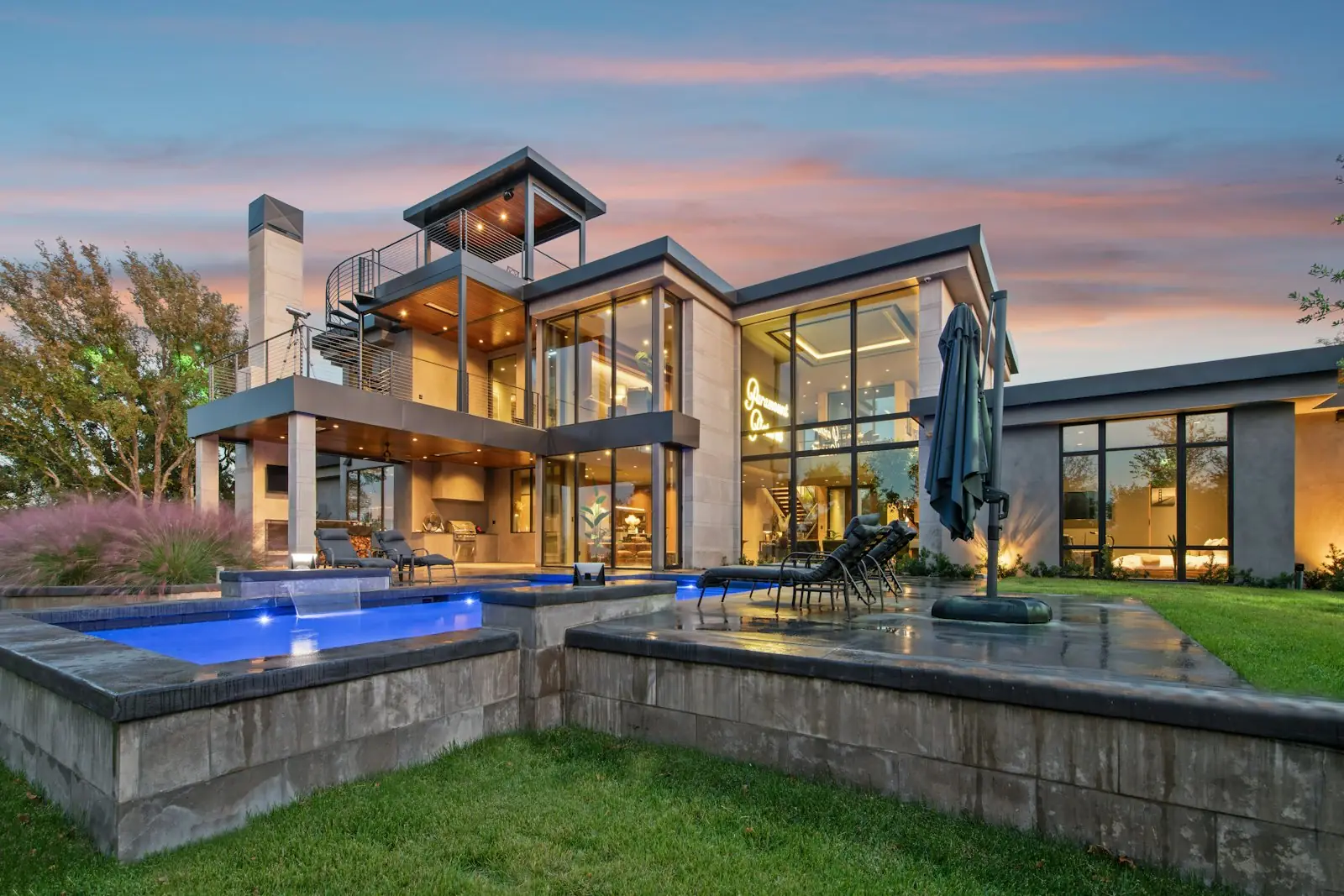
California has been developing formal Zone 0 regulations for high fire hazard areas. The five-foot zone also appears in the state's Safer from Wildfires insurance framework. Read our full Zone 0 guide.
Zone 1: 5 to 30 feet (lean, clean and green)
Zone 1 reduces the chance that flames reach the house.
- Remove dead vegetation and dry grass
- Space trees so canopies don't touch, and keep branches well away from the roof and chimney
- Separate shrubs from trees so fire can't climb from the ground into the canopy
- Keep plants well watered and choose lower-growing, fire-resistant species
- Move propane tanks and woodpiles into this zone or farther, with clearance around them
Zone 2: 30 to 100 feet (reduce fuel)
Zone 2 slows a fire's approach and lowers its intensity before it reaches Zone 1.
- Cut annual grass down to about four inches
- Create horizontal space between shrubs and trees
- Create vertical space by removing lower branches (ladder fuels)
- Leave fallen leaves and needles only in thin layers, and remove heavy accumulations
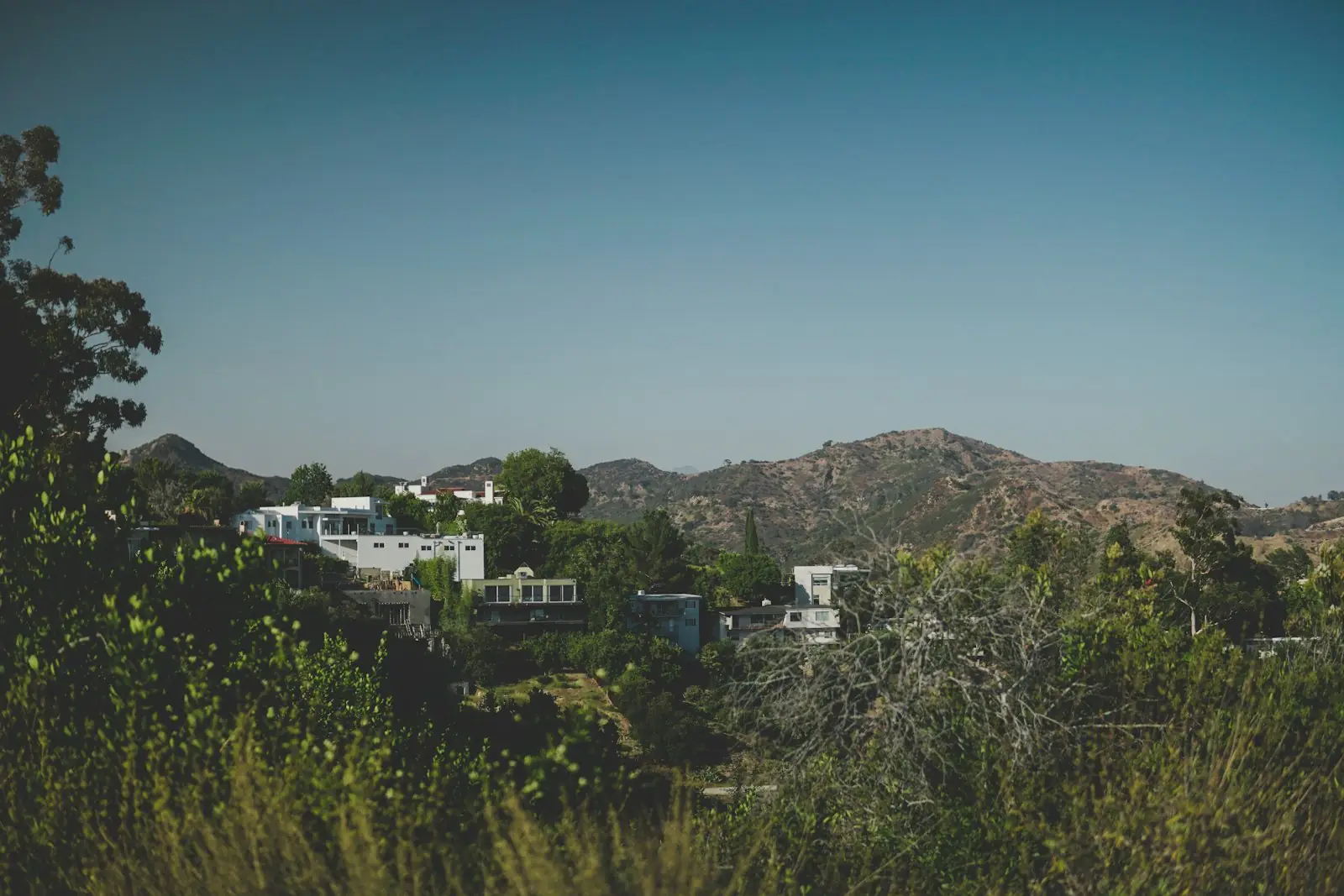
On steep slopes, which are common in Malibu, Topanga and the Hollywood Hills, fire moves uphill faster, so spacing may need to be greater. Local fire agencies can advise on your specific lot.
Rules in Nevada and Lake Tahoe
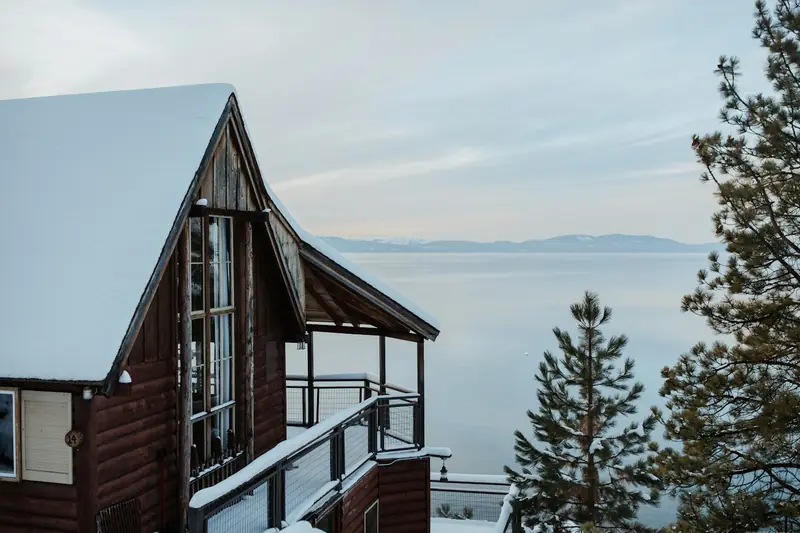
Nevada and Tahoe communities use similar zone concepts. Local fire protection districts around the lake offer defensible space inspections, and the University of Nevada, Reno Extension's Living With Fire program publishes detailed guidance. In forested areas, needle and duff buildup on roofs and around foundations is a major focus. See our Lake Tahoe preparedness guide.
Defensible space is not enough on its own
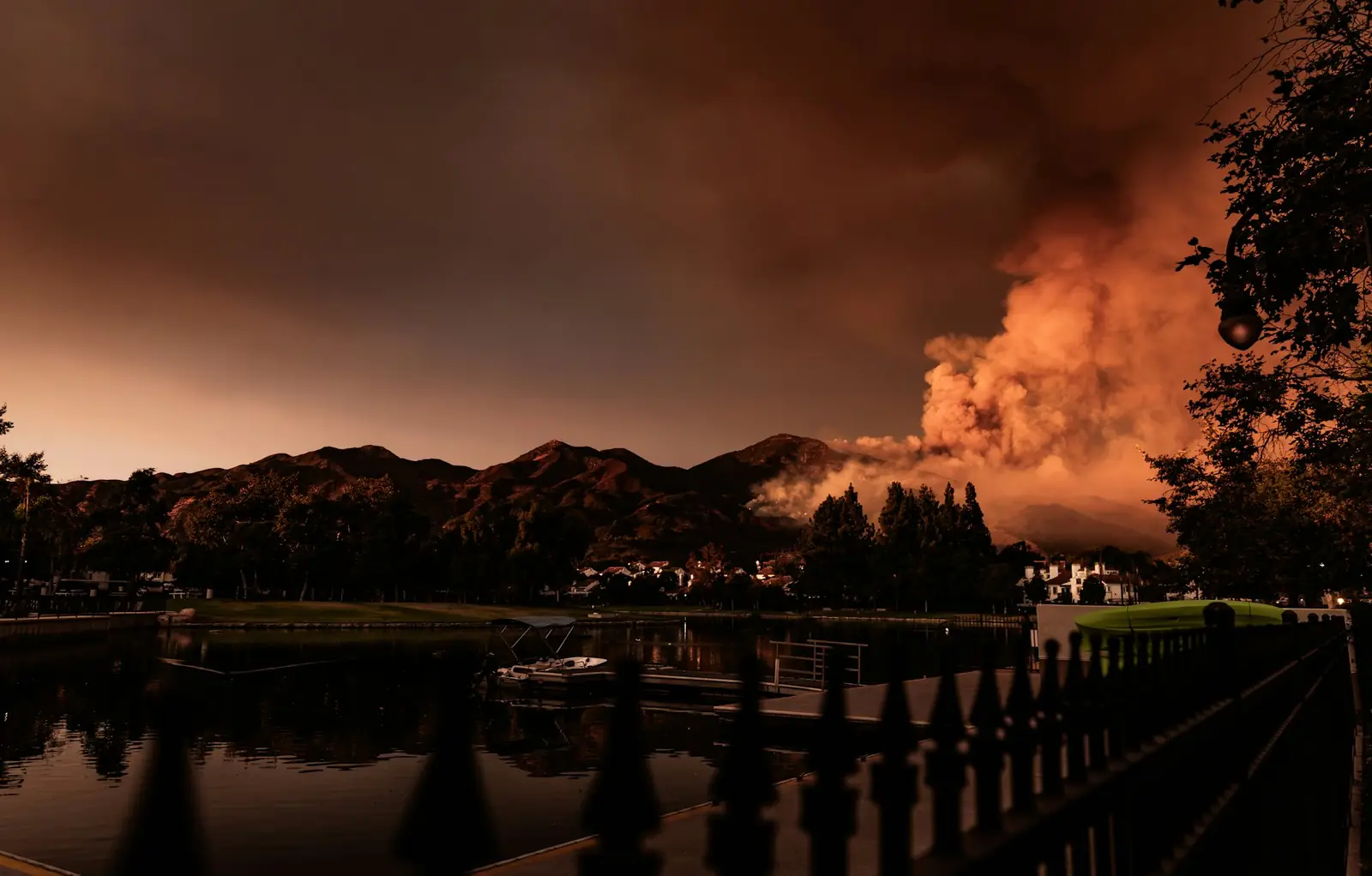
Many homes with good defensible space still burn, because embers fly over cleared areas and find vents, gutters and gaps in the structure. That is why defensible space works best paired with structure hardening:
| Zone | Defensible space | Home hardening partner |
|---|---|---|
| Zone 0 | Noncombustible ground cover | Ember-resistant vents, gutter covers |
| Zone 0 | Clean decks and fences | Intumescent coatings |
| Zones 0 and 1 | Well-spaced, watered plants | Pre-treatment on remaining plants |
| All zones | Fuel reduction | Exterior sprinklers to keep the area wet |
Insurance and inspections
Insurers often ask about defensible space, and some verify it through inspections. Combining a defensible space inspection with a documented hardening report gives your broker the most complete picture. Learn how this affects insurance in California and Nevada and Tahoe.
A free Wetline assessment reviews all three zones along with the structure itself.