
Ember-Resistant Vents and Gutters
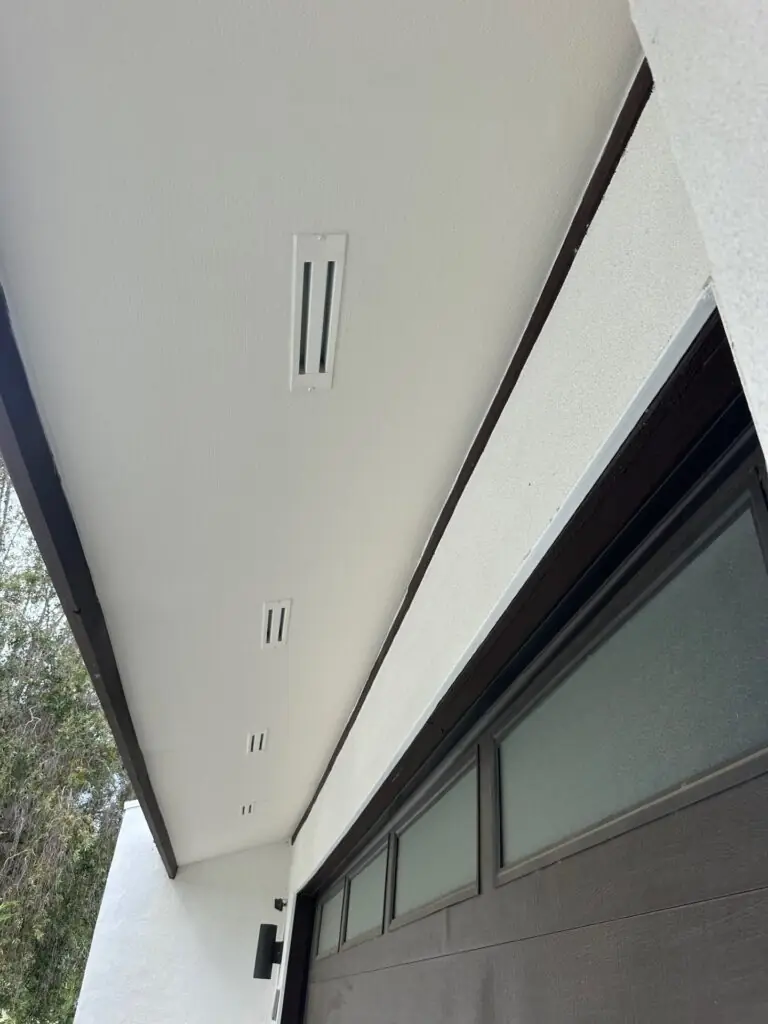
Attic and foundation vents are the most common way embers get inside a house. Fine metal mesh stops them at the opening, and noncombustible gutter covers keep dry leaves off the roofline.
[ 01 ]The problem
Why this layer matters.
Wind-driven embers are pulled into attics through soffit, gable and foundation vents, where they land on dust, insulation and framing. Gutters full of leaves become a line of kindling along the roof edge. Both are fast, affordable fixes with an outsized effect on whether a house survives.
[ 02 ]How we install it
Specified by firefighters. Built by craftsmen.
Every install follows the same four steps and ends with documentation for your insurer.
Survey
We count and measure every vent and map gutter runs and roof valleys.
Specify
We choose ember-resistant vents with 1/16 to 1/8 inch metal mesh that keep proper airflow.
Install
Old vents come out, new ones go in, and gutter covers are fitted along every run.
Verify
We photograph each opening for your readiness report.
[ 03 ]Specifications
- Mesh
- 1/16 to 1/8 inch metal
- Vent types
- Soffit, gable, foundation, ridge
- Gutters
- Noncombustible covers
- Program
- Safer from Wildfires
- Typical install
- 1 to 2 days
- Airflow
- Maintained to code
[ 04 ]Planning your project
What shapes your vents and gutters plan.
Every home is different. These are the factors a Wetline specialist looks at during your free assessment.
Number and type of vents
Soffit, gable, ridge and foundation vents each have ember-resistant replacements.
Ventilation requirements
New vents are sized to keep the airflow your attic and crawlspace need.
Gutter length and roof valleys
Longer runs and more valleys need more covers and more careful fitting.
Access
Steep roofs and tall walls can require extra equipment and safety setup.
[ 05 ]Where we install
Ember-Resistant Vents and Gutters across Los Angeles, Lake Tahoe and Nevada.
[ 06 ]Learn more
Guides on vents and gutters.
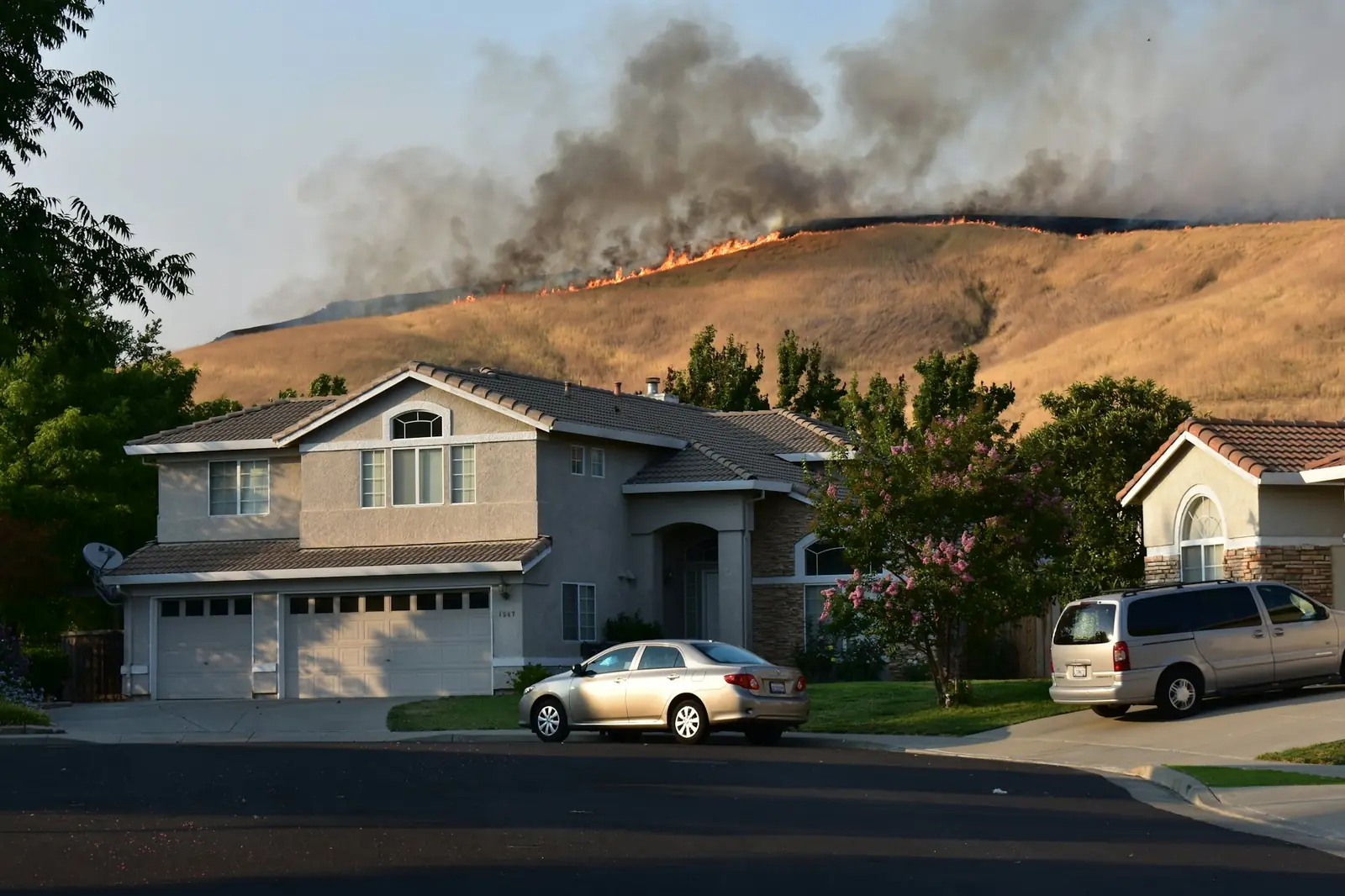
Embers, Not Flames: How Most Homes Actually Burn in a Wildfire
Homes often survive the fire front and ignite hours later. Understanding ember attack is the key to protecting a house in fire country.
Oct 14, 2026 · 3 min read
What Is Home Hardening? The Complete Wildfire Guide for Homeowners
Home hardening means upgrading a house so it resists ignition from embers, flames and radiant heat. Here is what it includes, what it costs to ignore, and where to start.
Oct 21, 2026 · 5 min readZone 0: A Practical Guide to the Five-Foot Ember-Resistant Zone
The five feet closest to your house matter more than anything else in your yard. Here's what belongs there, what doesn't, and why California is focusing on it.
Sep 15, 2026 · 3 min read[ 07 ]Works best with
The other layers.
 →Layer 01 · Active defense
Autonomous Wildfire Sprinklers
Heat and ember sensors start a roof and perimeter spray of water mixed with biodegradable Class A retardant. The system runs off the grid from your…
 →Layer 02 · Passive defense
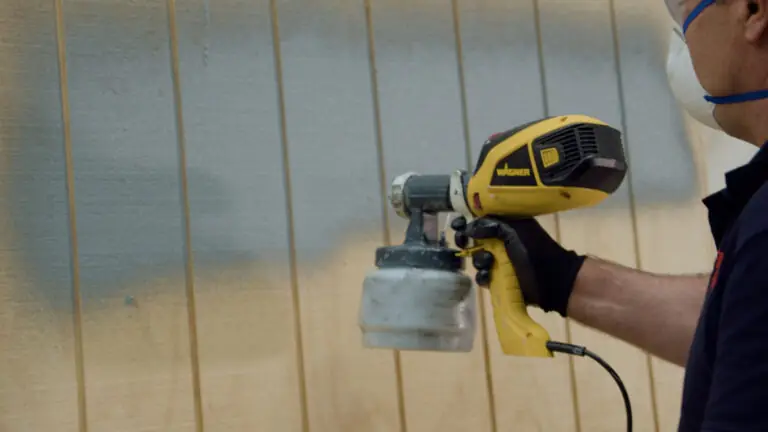
Fire-Retardant Paint and Coatings
An intumescent coating looks like ordinary paint until it meets heat. Then it swells into a thick insulating char that shields the siding, eaves and…
 →Layer 04 · Glazing defense
Wildfire Window Laminates
Glass breaks under radiant heat and lets embers straight into the house. A heat-resistant film holds the pane together, so you can protect the…
[ ? ]FAQ
Vents and gutters questions.
Still deciding? Call or text 310-569-4523.
Will new vents reduce attic airflow?
No. We size vents to keep required ventilation while blocking embers.
Are gutter covers enough on their own?
They help, but they work best alongside vents, a clear five-foot zone and treated eaves.
Do I need permits?
Usually not for vent replacement. We handle any permit your city requires.