Property Pre-Treatment
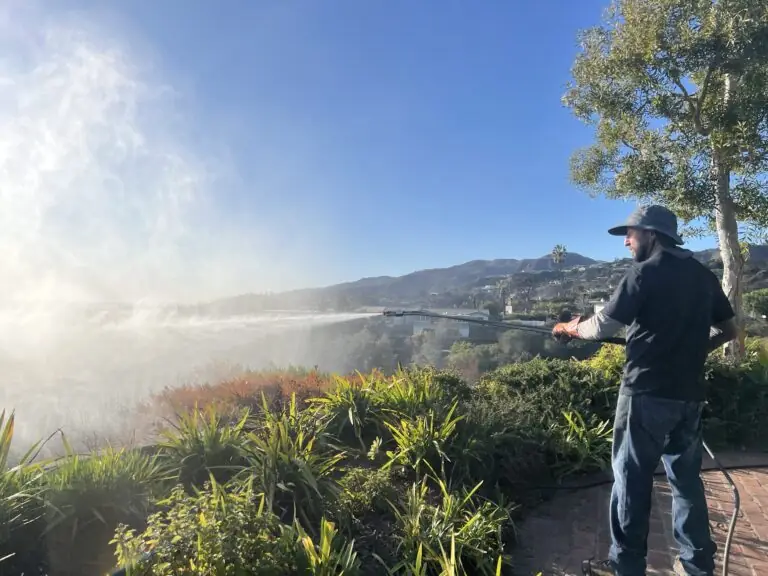
When fire weather arrives, our crews spray Cold Fire suppressant across plants, decks and structures. It keeps working after it dries and stops embers from catching where they land.
[ 01 ]The problem
Why this layer matters.
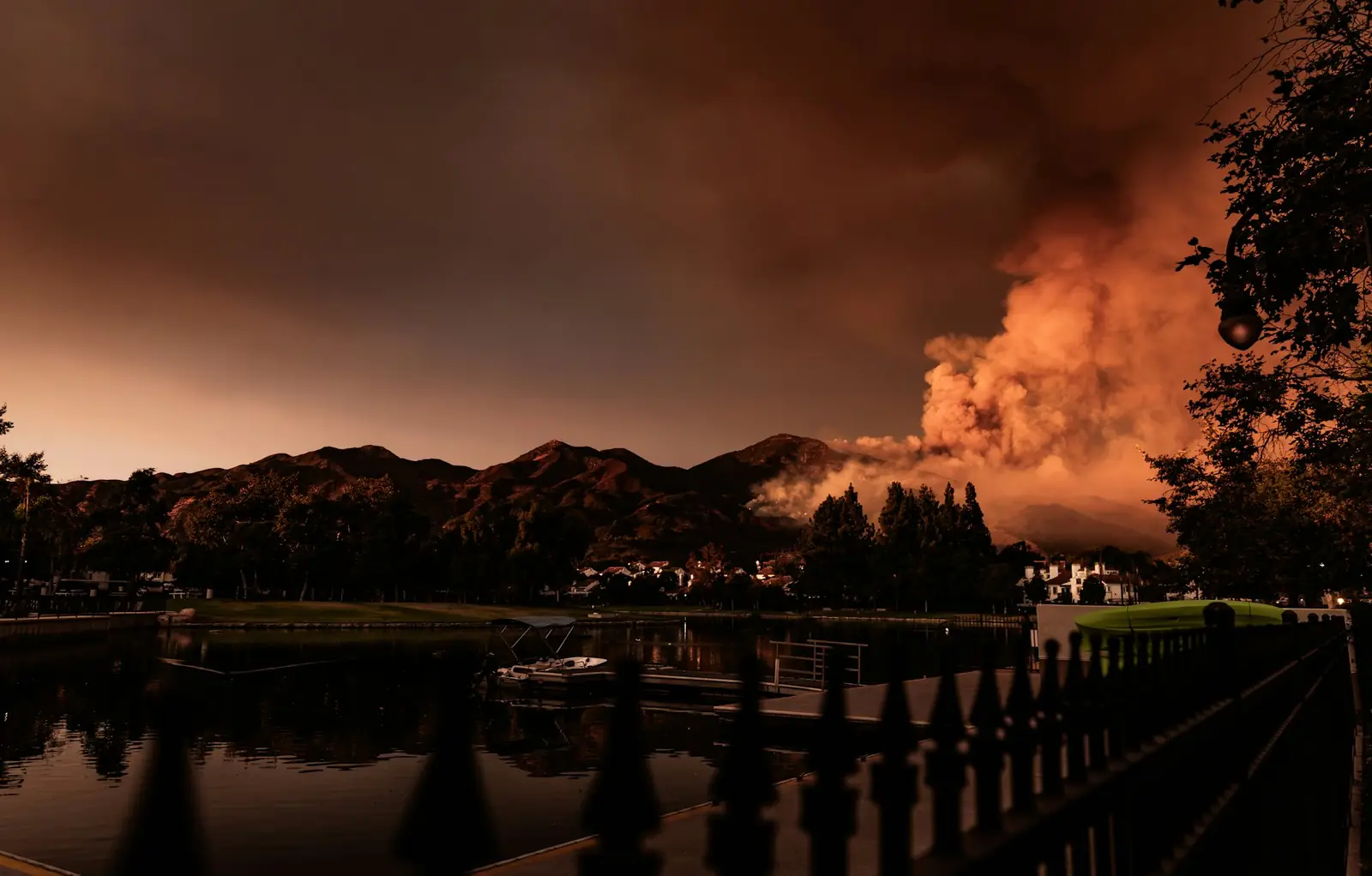
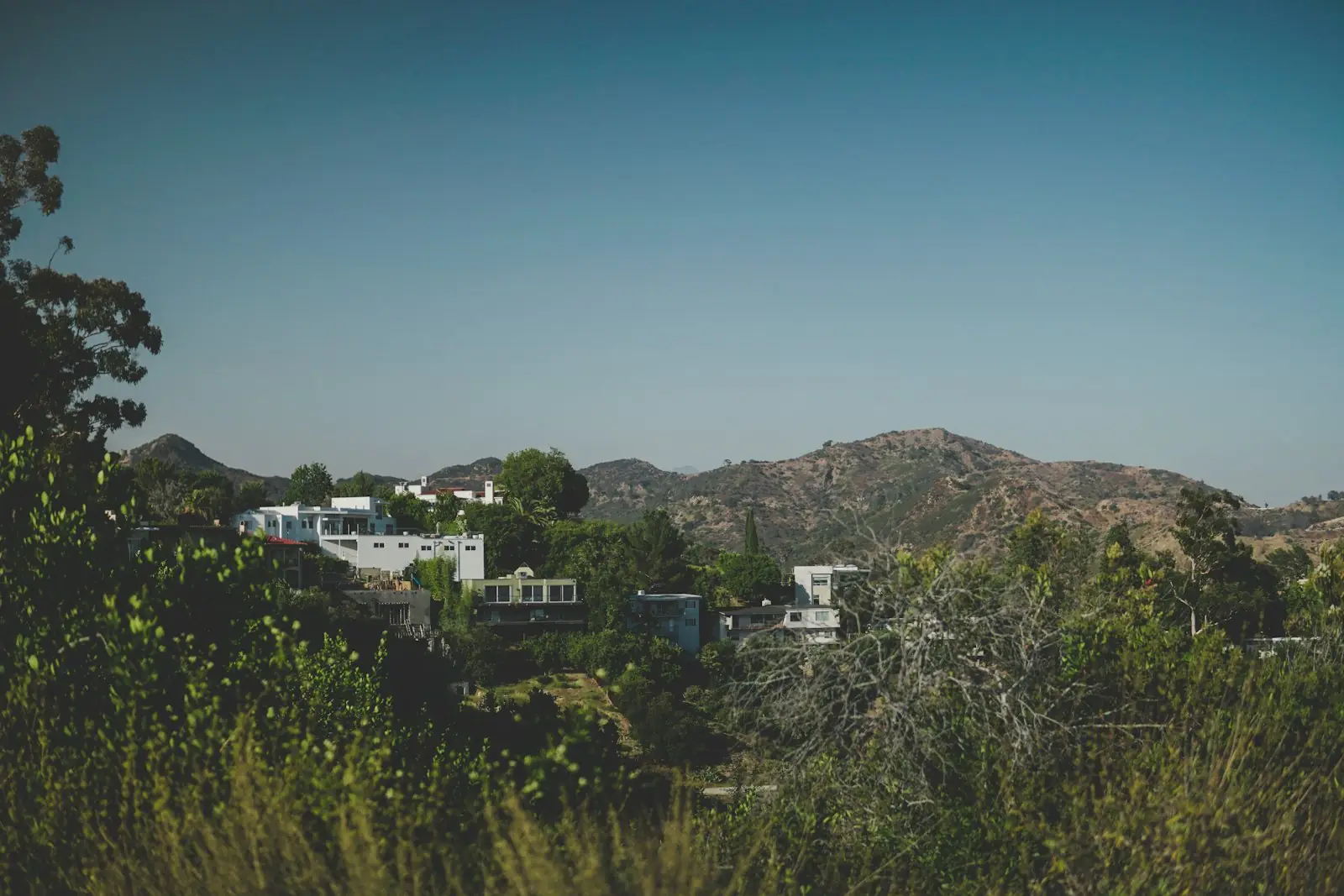
Most ember ignitions start within a few feet of the house: in mulch, shrubs, wood fences and decks. Clearing everything isn't realistic on many hillside properties. Pre-treatment makes the landscape itself resist ignition during the highest-risk windows.
[ 02 ]How we install it
Specified by firefighters. Built by craftsmen.
Every install follows the same four steps and ends with documentation for your insurer.
Plan
We map vegetation, decks and fences and agree on a treatment schedule.
Treat
Crews apply suppressant before red flag days or at the start of the season.
Refresh
We re-treat after heavy rain or on alert, depending on your plan.
Report
Each visit is logged with photos and coverage area.
[ 03 ]Specifications
- Agent
- Cold Fire suppressant
- Base
- Plant and water based
- Safety
- pH neutral, non-toxic
- Effect
- Works when dry
- Timing
- Seasonal or on alert
- Coverage
- Plants, decks, fences, structures
[ 04 ]Planning your project
What shapes your pre-treatment plan.
Every home is different. These are the factors a Wetline specialist looks at during your free assessment.
Landscaped area
Larger yards and slopes take more product and time to cover.
Vegetation type
Dense shrubs, ornamental grasses and mulch beds are treated first.
Decks and fences
Wood structures attached to the house are part of every treatment.
Schedule
Seasonal plans and on-alert plans set how often we re-treat.
[ 05 ]Where we install
Property Pre-Treatment across Los Angeles, Lake Tahoe and Nevada.
[ 06 ]Learn more
Guides on pre-treatment.

Zone 0: A Practical Guide to the Five-Foot Ember-Resistant Zone
The five feet closest to your house matter more than anything else in your yard. Here's what belongs there, what doesn't, and why California is focusing on it.
Sep 15, 2026 · 3 min read
Fire-Resistant Landscaping for Hillside Homes in California
You don't have to choose between a beautiful garden and a safer home. Here's how to design landscaping that resists fire on hillside lots.
Oct 09, 2026 · 3 min readDefensible Space Zones Explained: Zone 0, Zone 1 and Zone 2
Defensible space is organized into zones radiating out from your home. Here is what belongs in each zone and how they work with home hardening.
Oct 16, 2026 · 3 min read[ 07 ]Works best with
The other layers.
 →Layer 01 · Active defense
Autonomous Wildfire Sprinklers
Heat and ember sensors start a roof and perimeter spray of water mixed with biodegradable Class A retardant. The system runs off the grid from your…
 →Layer 02 · Passive defense
Fire-Retardant Paint and Coatings
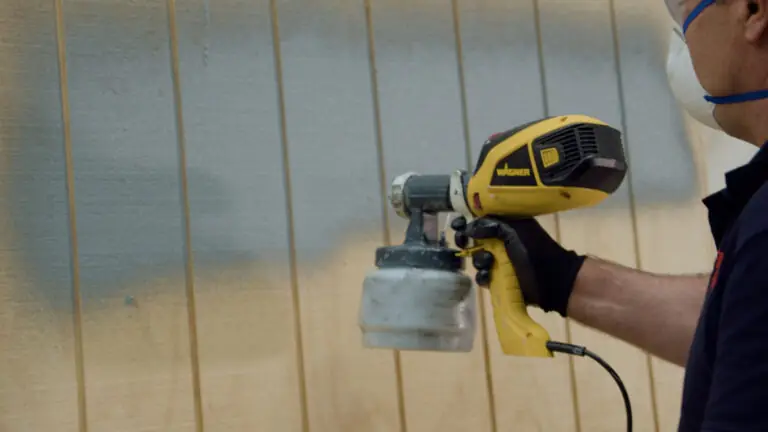
An intumescent coating looks like ordinary paint until it meets heat. Then it swells into a thick insulating char that shields the siding, eaves and…
 →Layer 03 · Ember defense
Ember-Resistant Vents and Gutters
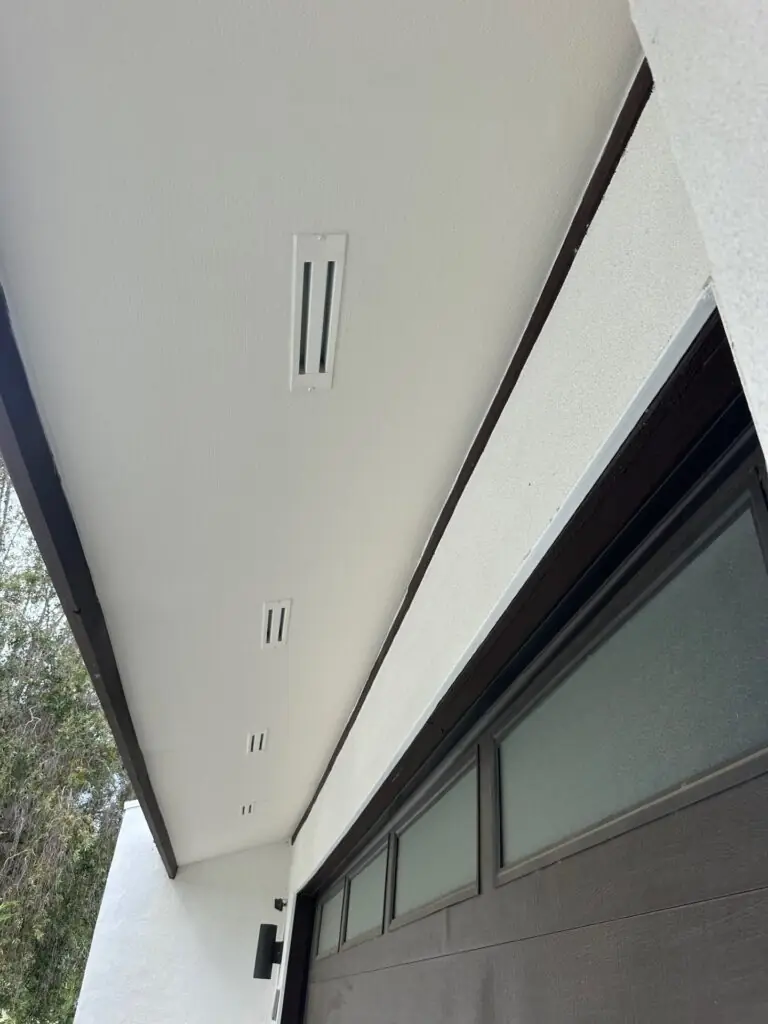
Attic and foundation vents are the most common way embers get inside a house. Fine metal mesh stops them at the opening, and noncombustible gutter…
[ ? ]FAQ
Pre-treatment questions.
Still deciding? Call or text 310-569-4523.
Is the suppressant safe for pets and plants?
Yes. It is plant and water based, pH neutral and non-toxic to people, pets and vegetation.
How long does a treatment last?
It keeps working when dry. Heavy rain or irrigation can wash it off, so we re-treat on your schedule.
Can you treat on short notice?
Yes. Clients on an alert plan are scheduled ahead of red flag warnings.