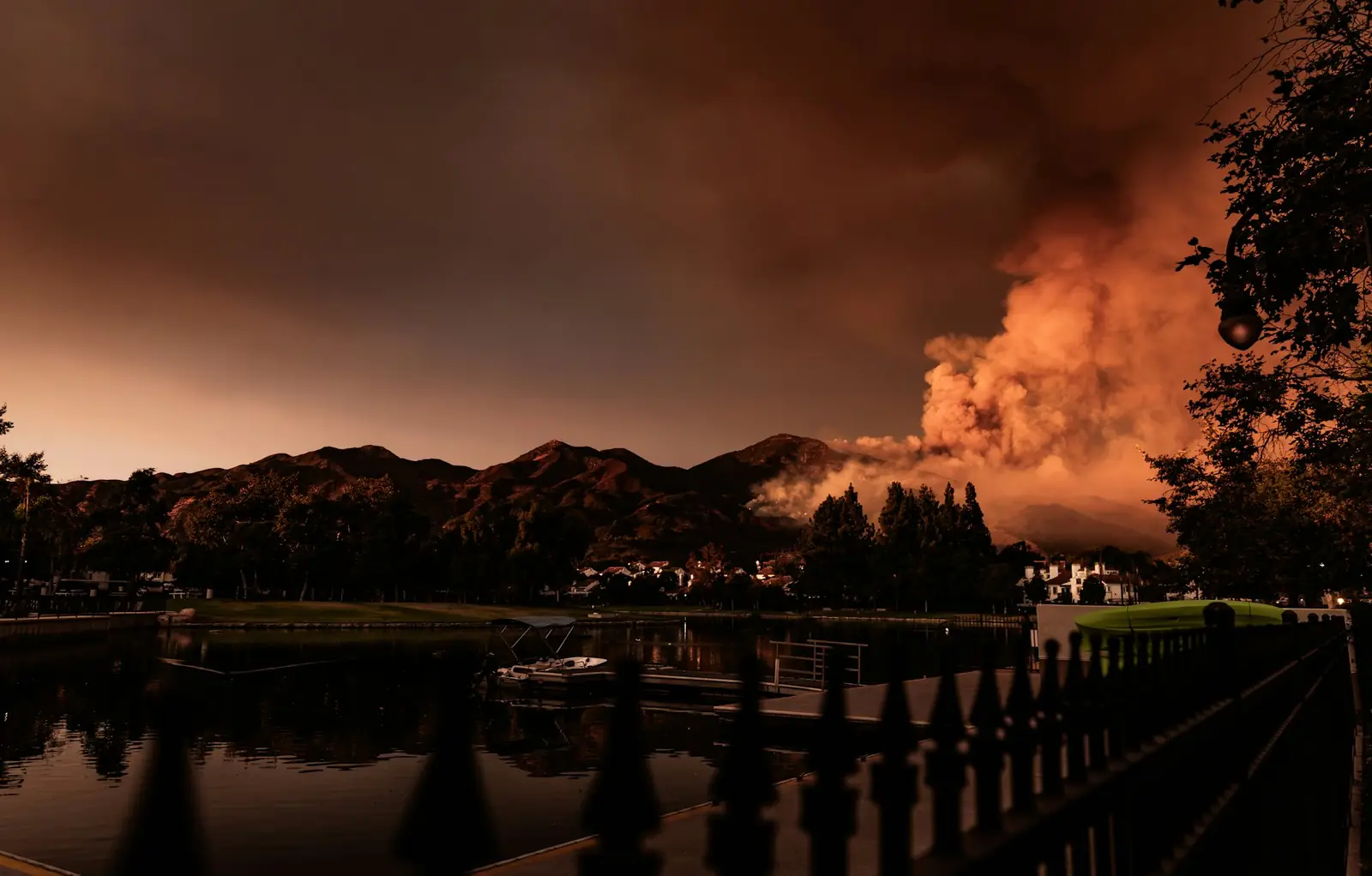
 Topanga Canyon
Premium coverage without a perfect lot.
Laminates on single-pane glass, retardant on open eaves and a sprinkler system. No full five-foot clearance, and still placed with a premium carrier.
Layers 3Premium carrier
[ 00 ]Wildfire home hardening · Los Angeles · Tahoe · Nevada
Wildfire home hardening designed by former fire chiefs and documented for your insurer. A safer home that carriers want to cover, often at a lower premium.
Or build your protection plan →Every system is specified by former fire chiefs, installed by a licensed contractor, and documented against the mitigation standards California insurers recognize.
[ 01 ]The insurance shift
Carriers are writing policies in fire country for homes that can prove their defenses. We document every layer we install, from vent mesh size to coating ratings and water supply, so your agent walks into underwriting with evidence.
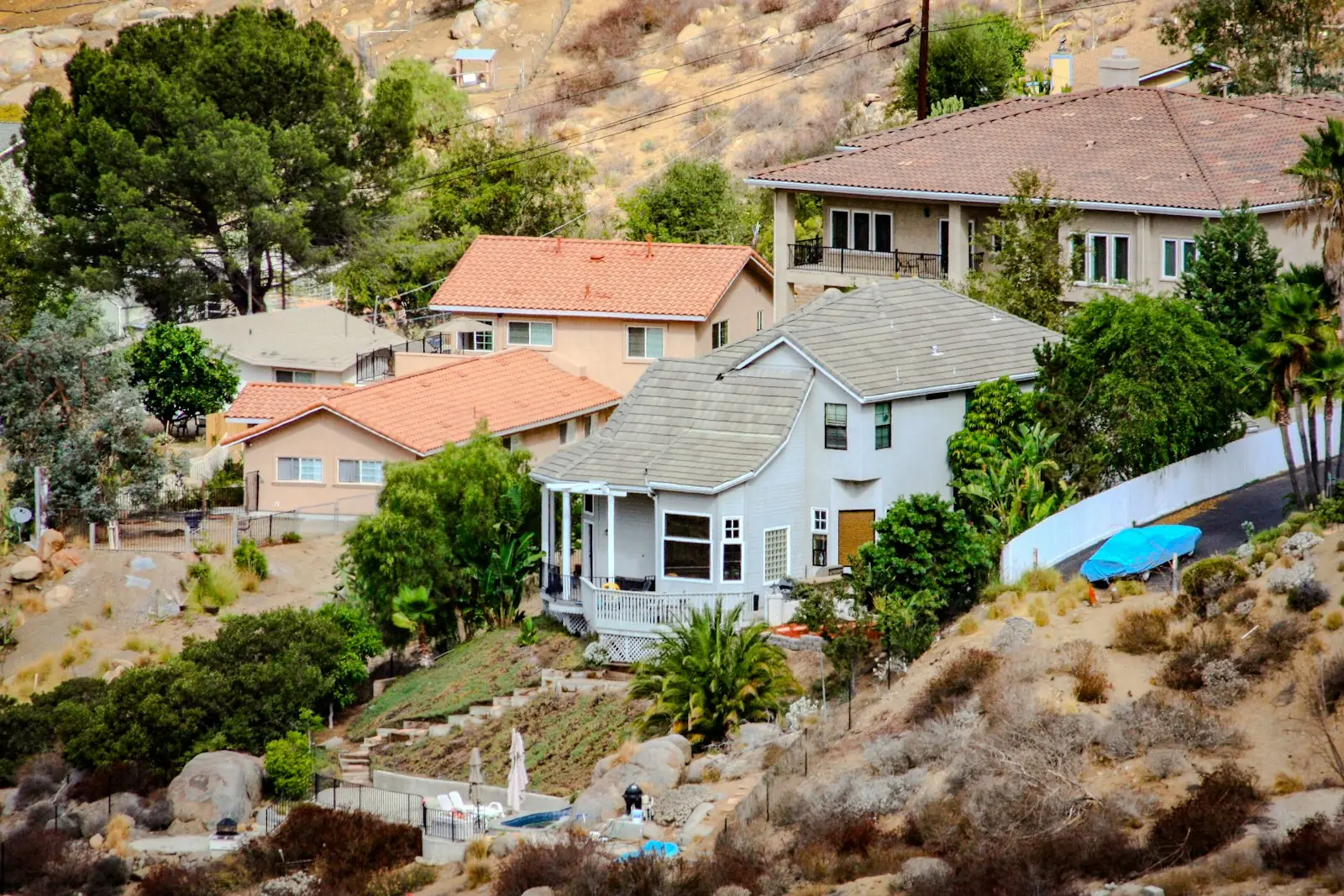
 Topanga Canyon
Laminates on single-pane glass, retardant on open eaves and a sprinkler system. No full five-foot clearance, and still placed with a premium carrier.
 San Diego County
Upgraded vents, fire-retardant paint and sprinklers gave underwriters the case they needed for standard-market policies.
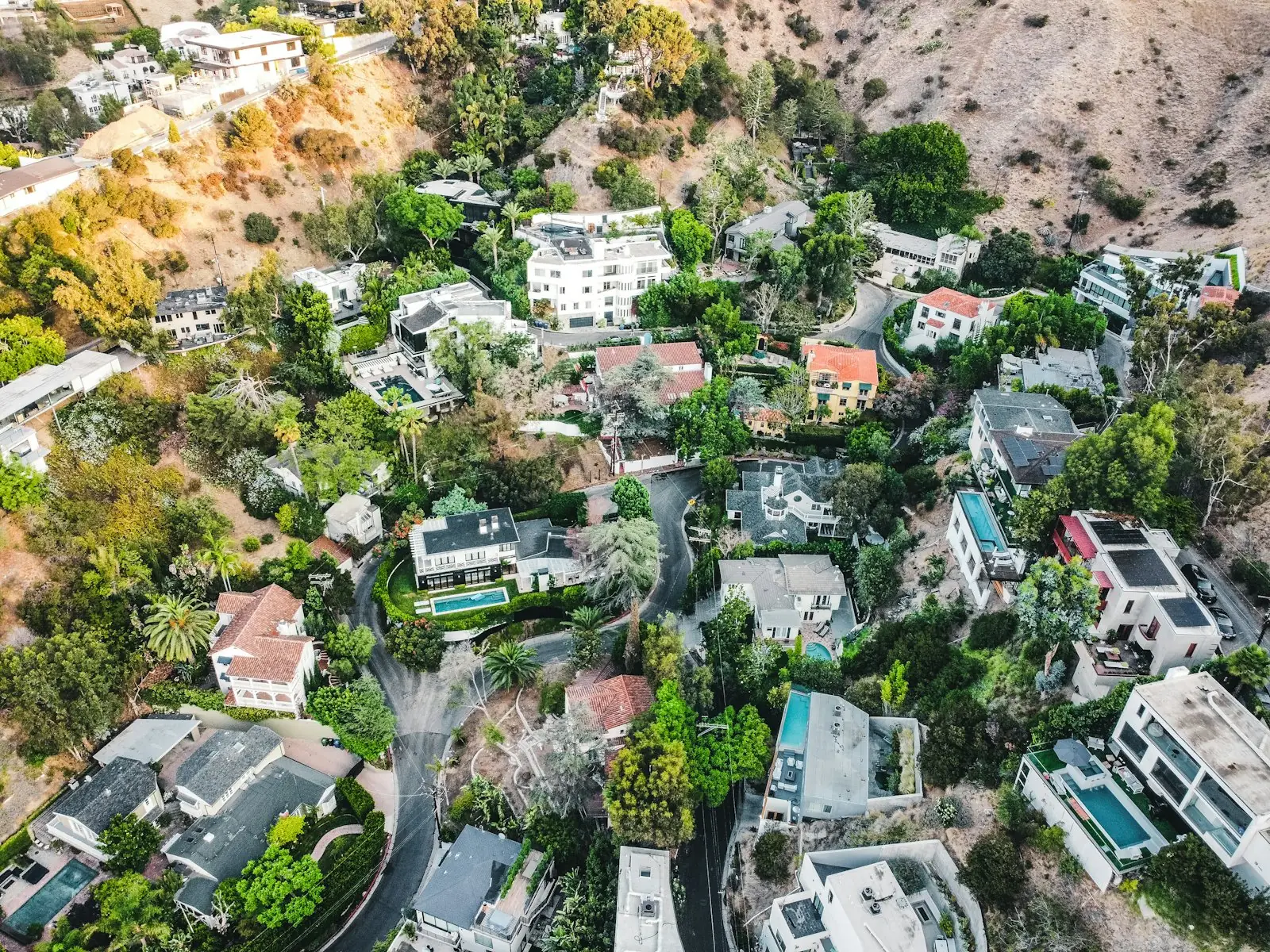 Greater Los Angeles
Moving from fallback coverage to an admitted carrier can recover the full cost of hardening, while the home is safer from the first day.
[ 02 ]How homes are lost
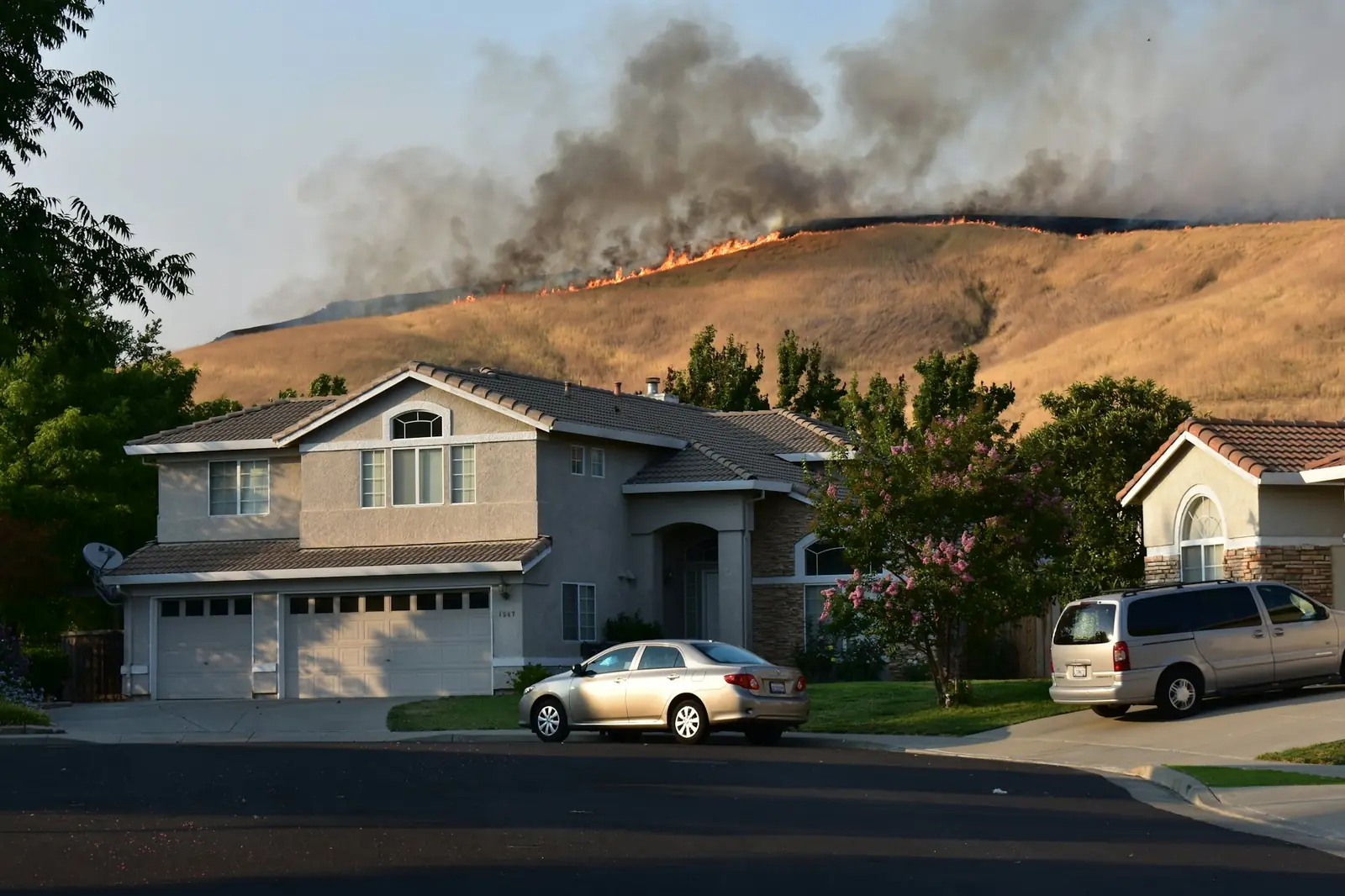
Wind carries burning debris far ahead of the flames. It settles in vents, gutters, decks and dry plants, and the house ignites from the inside out long after the front has passed.
[ BI ]Fire science
It’s called the Burning Index: how hard a fire would be to control today, on the worst ground near you. Divide it by 10 for a rough idea of flame length in feet. You can’t change it. You can change what’s around your home.
[ FF ]Flashy fuels
Firefighters call them flashy fuels: dry grass, leaves, pine needles and twigs under a quarter inch thick. They dry out within about an hour, catch an ember in seconds and pass the fire to your fence, your deck and your house. Wetline clears them and hardens your home so an ember has nowhere to land.
Wildfire terms, explained by firefighters →[ 03 ]The six-layer system
[ 03 ]The six-layer system
Scroll through the system. Each layer closes a different way a home ignites, and each one is documented in the terms insurers already use.
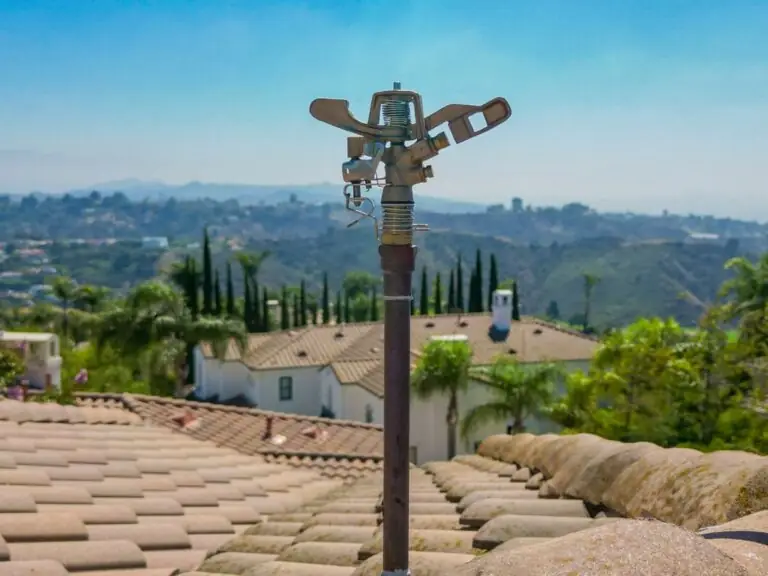
01 / Active defense
Sensors start a roof and perimeter spray that runs off the grid, even when no one is home.
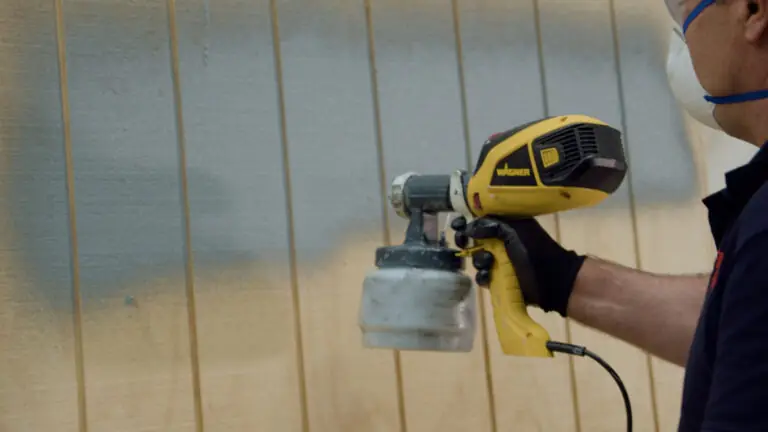
02 / Passive defense
Looks like paint. In heat, it swells into an insulating char that shields wood and eaves.
03 / Ember defense
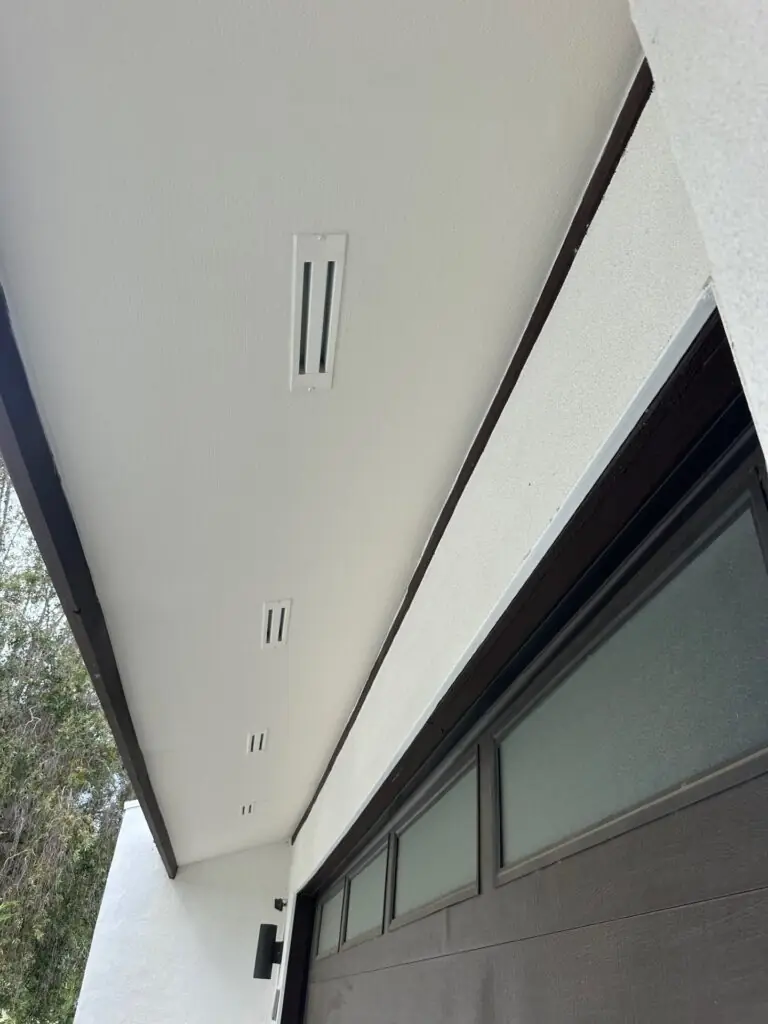
Fine metal mesh stops embers at attic and foundation vents, the most common way they get in.
04 / Glazing defense
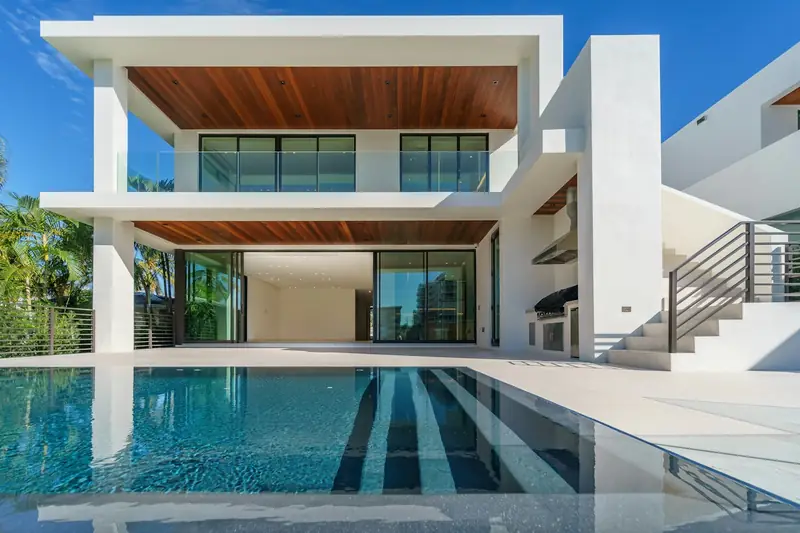
Heat-resistant film holds glass together so radiant heat and embers can't get inside.
05 / Landscape defense
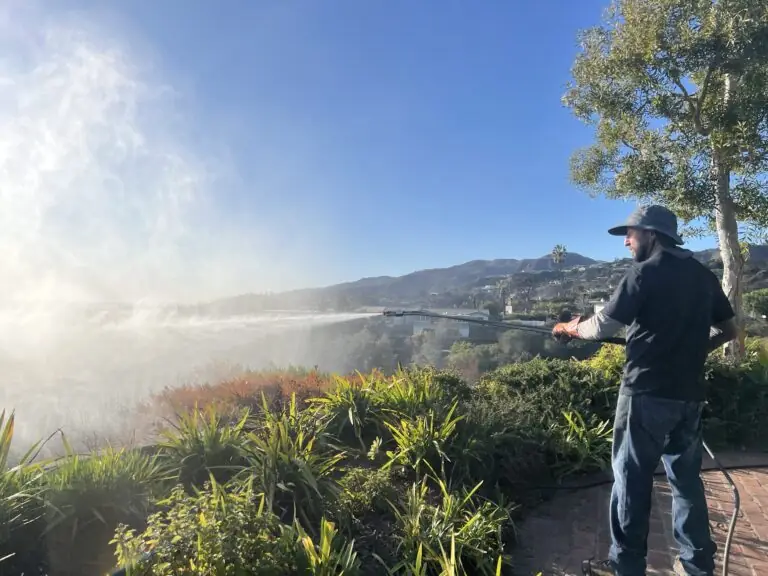
Plant-based suppressant on landscaping, decks and fences stops embers from catching.
06 / Human defense
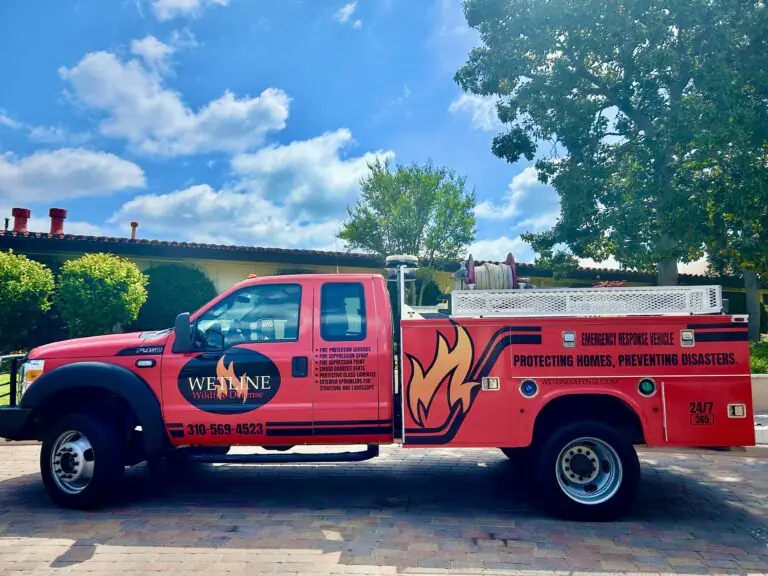
Year-round monitoring and a brigade that checks your system while you evacuate.
[ 04 ]How it works
One team handles the assessment, the work and the paperwork. No subcontractor hand-offs.
A retired firefighter walks your property and scores every path a fire could take.
You get a layer-by-layer plan, your readiness score and the expected insurance impact.
Licensed crews install each layer to spec, usually in days, not months.
A documented file for your broker, renewed with every maintenance visit.
[ 05 ]Our firefighters
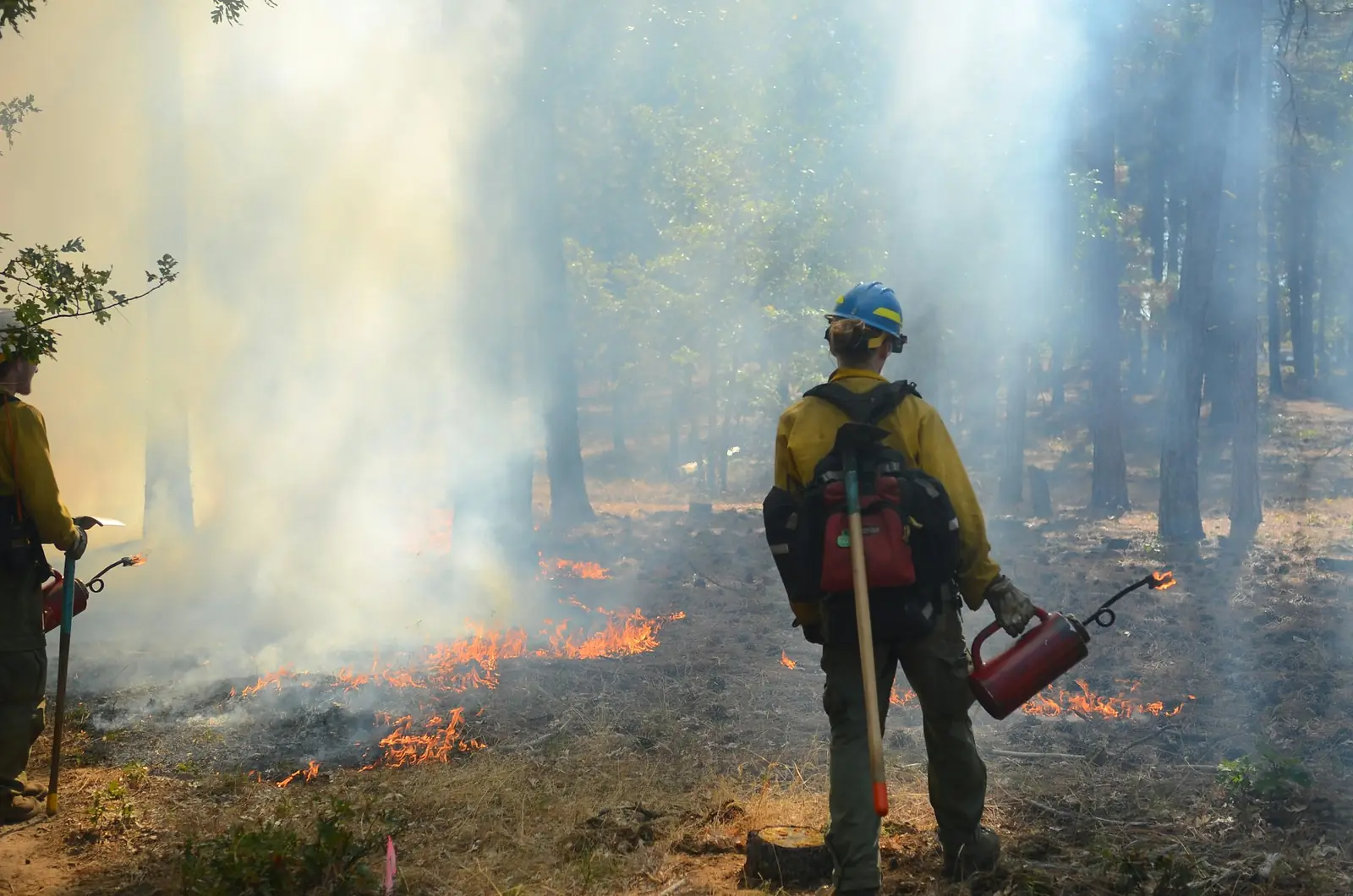
Retired chiefs and Forest Service veterans specify every system. A licensed luxury builder installs it. A retired firefighter walks your property with you.
 CW
Founder, Chief Technical Designer
Retired Division Chief of Fire Fleet Services, Los Angeles County Fire Department. Founded Specialty Fleet Consulting, advising departments nationwide on apparatus design.
 WS
Retired Division Chief, USFS
Former Ojai and Fulton Hotshot, later Division Chief of the Los Angeles River Ranger District, Angeles National Forest. Expert fire witness and Campbell Prediction System instructor.
 PR
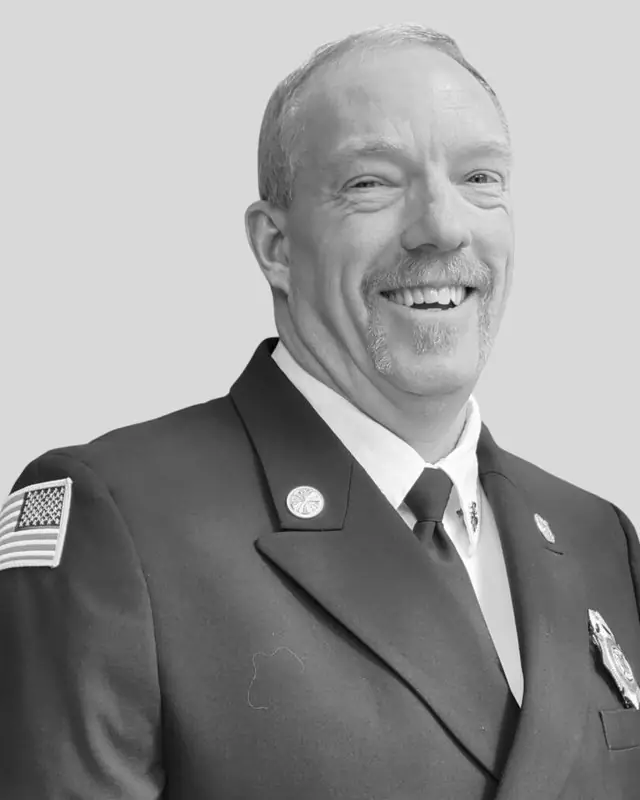
Fire Chief, Industry Consultant
Fire Chief of the Lakeport Fire Protection District. Previously chief in Idyllwild, Sheridan and Crooked River Ranch. Structure hardening and suppression specialist.
 MY
Owner, General Contractor
Luxury home builder across Southern California who acquired Wetline in 2018 to bring construction-grade craft to wildfire hardening.
[ 06 ]From our clients
From Bel Air to Lake Arrowhead, homeowners who hardened with Wetline.
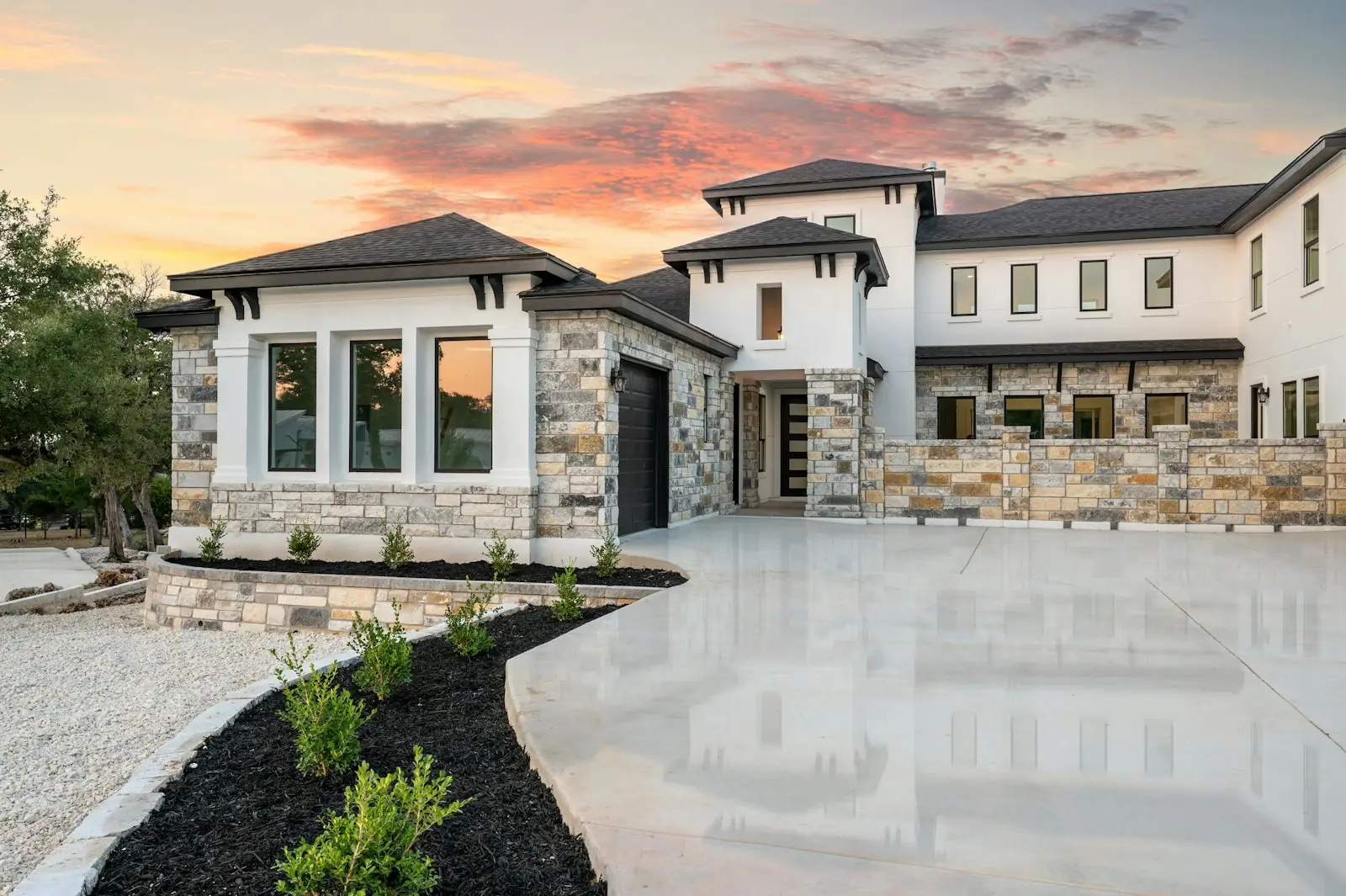
$48,600 → $17,105
Wetline helped us cut our fire insurance premium by 65%. We replaced a three-policy patchwork of FAIR Plan, DIC and excess coverage costing about $48,600 with one Dover Bay policy at $17,105.
Bel Air
Many of our Palisades and Bel Air friends said Wetline was the only reason their homes were still standing.
Topanga Canyon
When a few paint areas bubbled a year later, they came back and fixed everything without hassle.
Lake Arrowhead
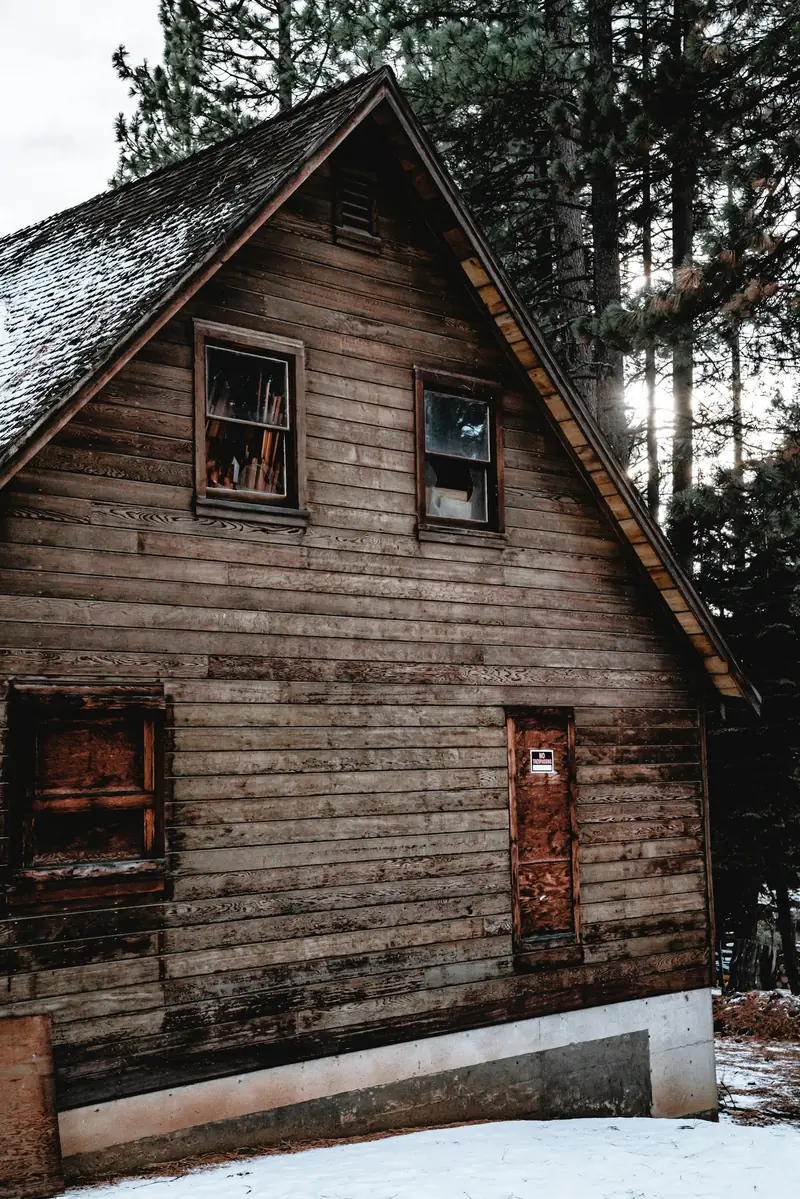
We especially appreciate the system checks from Craig Weeks, the original founder of Wetline.
Santa Ynez Valley
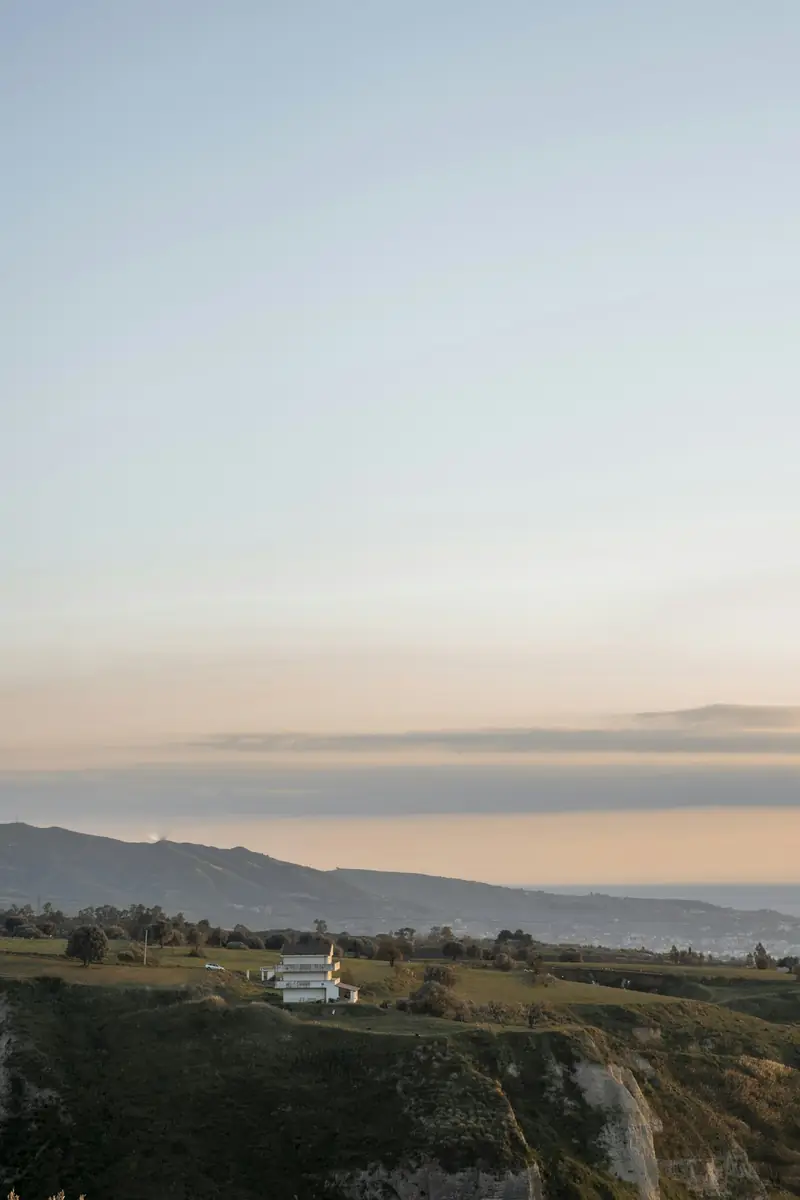
It took several minutes to ignite and only charred the immediate area, with little flame spread.
Los Angeles
We feel more confident now that our home has several more layers of defense if a wildfire approaches.
[ 07 ]Service areas
We work where fire hazard is highest and insurance is hardest to find. Local crews, local permitting knowledge and one standard of work.
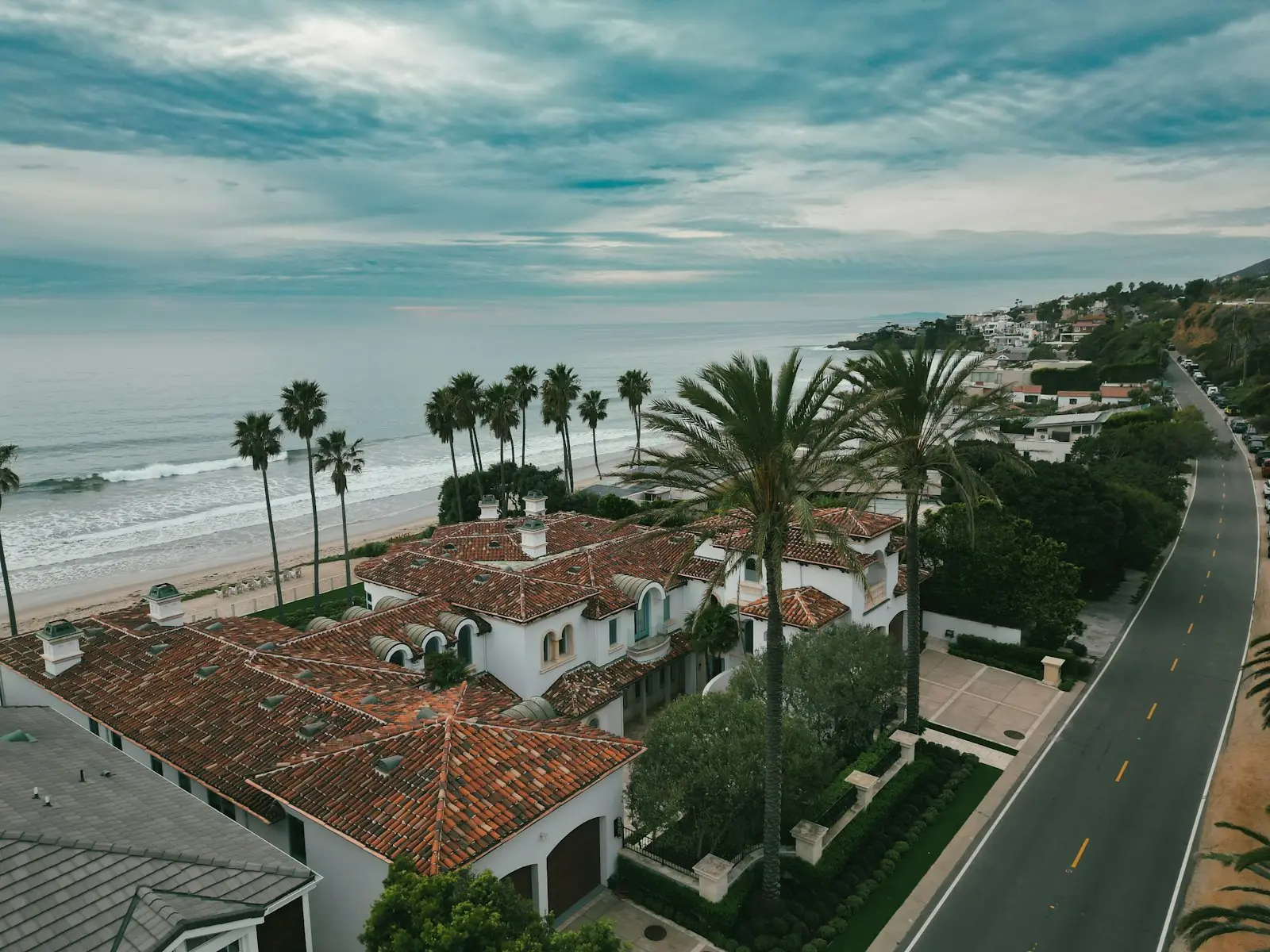 Very High FHSZ
Wildfire sprinklers and home hardening for Malibu, the Palisades, the Santa Monica Mountains, the San Gabriel foothills and the Hollywood Hills.
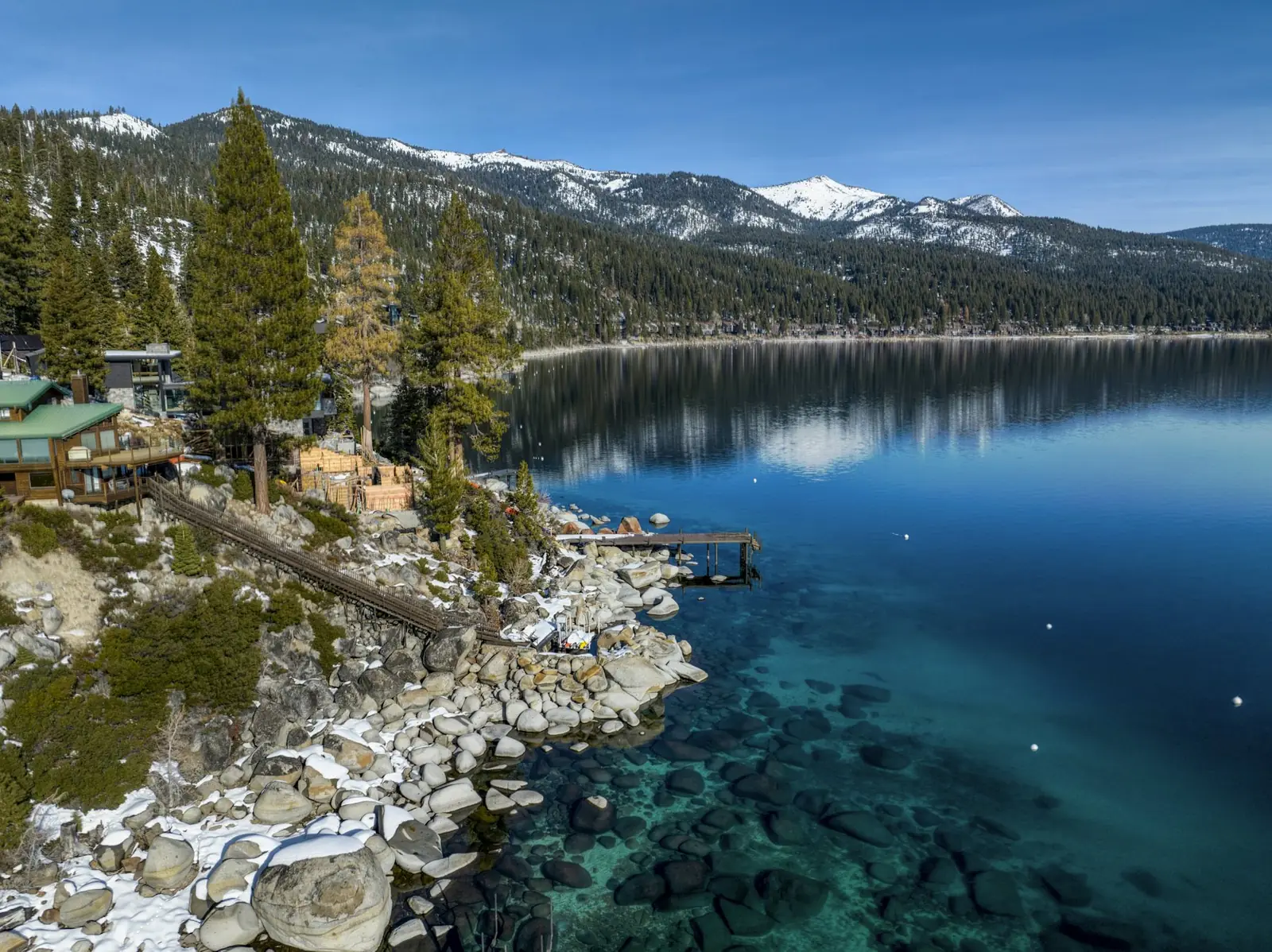 Now serving
Ember defense for alpine forest homes on both shores, with snow-aware sprinkler layouts and tank systems for properties far from hydrants.
[ 08 ]Field Journal
Plain-language guides on insurance, home hardening and fire behavior, written for homeowners in fire country. All articles →
Exterior wildfire sprinkler systems typically run from about $20,000 for a modest home into the tens of thousands for larger properties. Here's what drives the price and what you pay after install.
By Craig WeeksNov 06, 2026 · 4 min read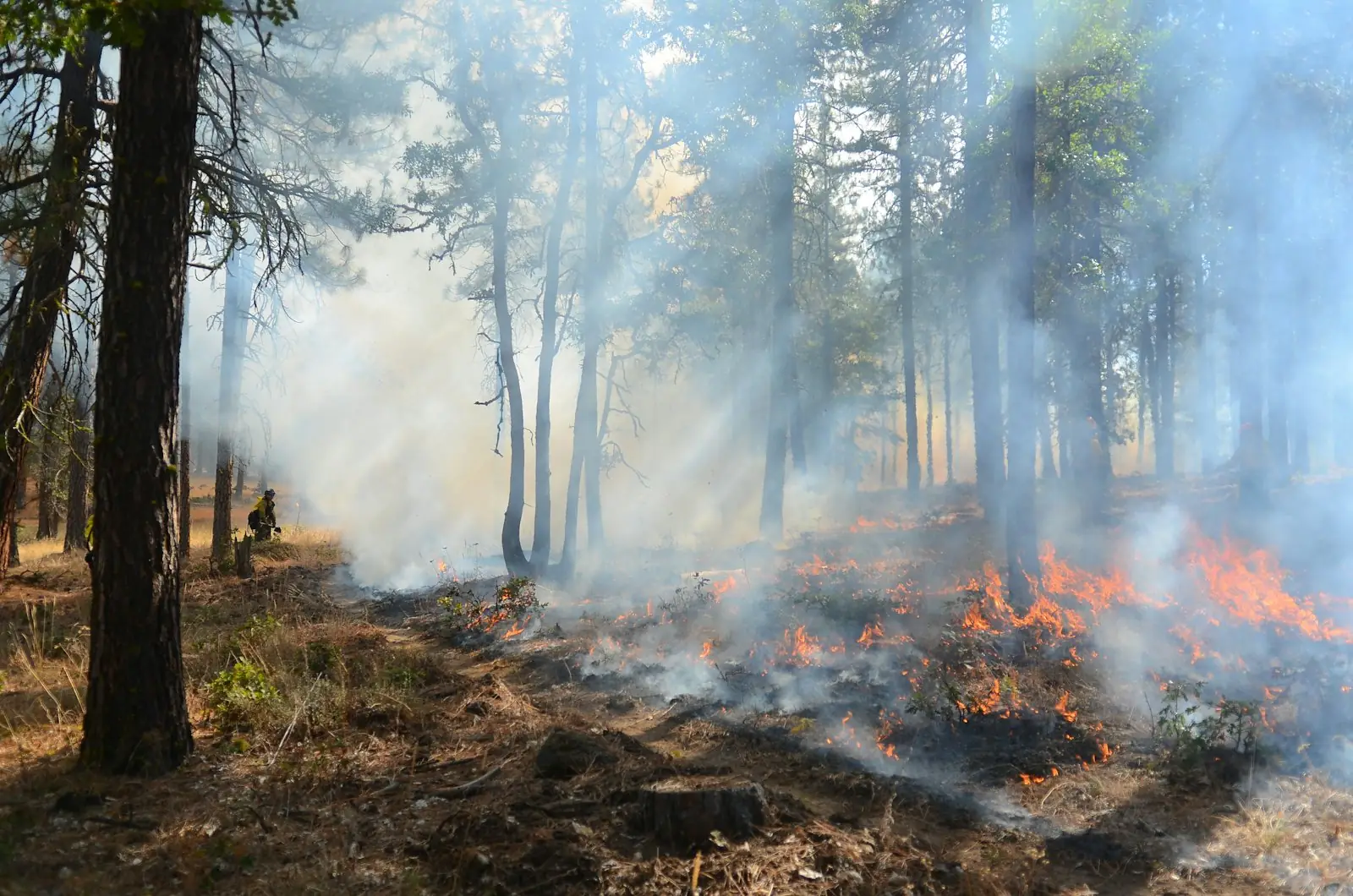
Fire agencies rate wildfire danger every day with a number called the Burning Index. Here's how to read it, what it can't tell you, and what to do when it climbs.
By Craig WeeksNov 05, 2026 · 5 min read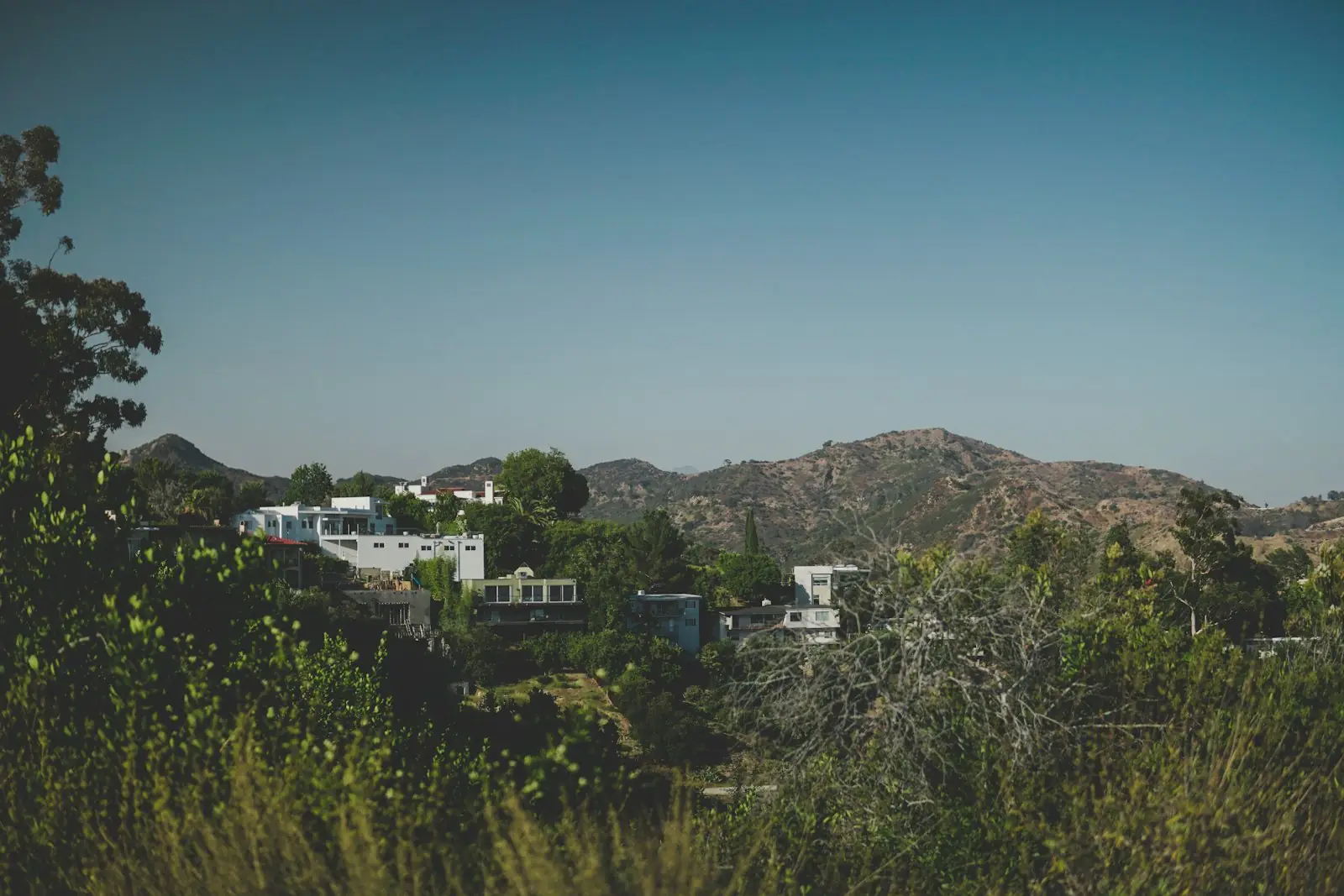
Firefighters call them flashy fuels, the dry grass, leaves and pine needles that catch an ember in seconds. Here's where they hide around a home and how to clear them.
By Craig WeeksNov 05, 2026 · 4 min read[ ? ]Questions
Still deciding? Email info@wetlinedefense.com.
Often, yes. California requires insurers to recognize qualifying wildfire mitigation, and many carriers will write or renew a hardened home they would otherwise decline. Our clients have placed with standard carriers after hardening, and some recover the full cost of the work in premium savings within about five years. Your carrier sets final pricing.
That's one of the most common reasons people call us. We harden the home, then give you a readiness report that lists each mitigation in the terms carriers use, so your broker can shop the standard market with evidence in hand.
No. We are a licensed contractor. We do the work and document it, and your broker or agent shops coverage.
Each mitigation we install or verify, with photos, product ratings, vent mesh sizes, glazing protection, water supply and maintenance logs.
Yes. Systems run independently of the utility grid and draw from your pool or a dedicated tank, commonly 5,000 to 30,000 gallons, with their own pump.
Our Cold Fire based suppressant is plant and water based, pH neutral and non-toxic to people, pets and vegetation.
[ 09 ]Book a free assessment
Send a quick request, email us, or build a full protection plan first. Every option ends with a free visit from a retired firefighter.
info@wetlinedefense.com
Questions about your home, your policy or a system. No forms.
Answer a few questions about your home and coverage. We'll arrive with your plan already loaded.