Fire-Retardant Paint and Coatings
An intumescent coating looks like ordinary paint until it meets heat. Then it swells into a thick insulating char that shields the siding, eaves and trim underneath.
[ 01 ]The problem
Why this layer matters.
Wood siding, open eaves, fascia and decks are where embers and radiant heat find fuel. Replacing them with noncombustible materials can cost a fortune and change the character of a home. A rated intumescent coating protects the original surfaces and can be tinted to any color or applied as a clear coat on natural wood.
[ 02 ]How we install it
Specified by firefighters. Built by craftsmen.
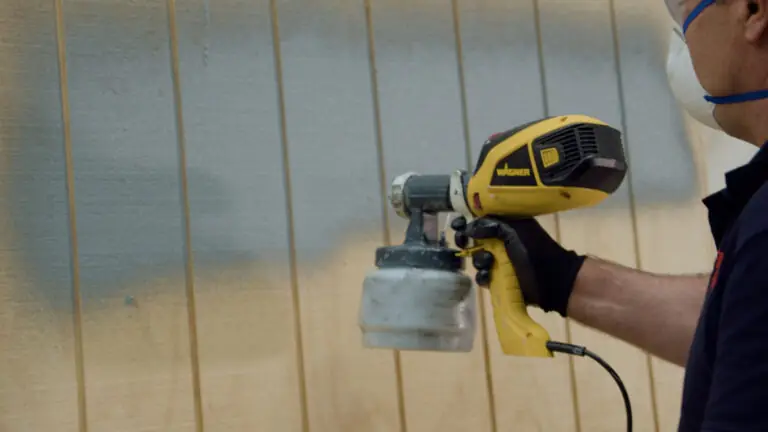
Every install follows the same four steps and ends with documentation for your insurer.
Inspect
We identify combustible surfaces and the areas inspectors and underwriters flag first.
Prepare
Surfaces are cleaned, repaired and primed. Damaged wood is replaced before coating.
Apply
Certified crews apply the system at the rated thickness, with clear coat on wood you want to keep visible.
Document
We record products, ratings and coverage areas for your insurance file.
[ 03 ]Specifications
- Type
- Intumescent coating
- Surfaces
- Siding, eaves, decks, interior
- Finish
- Any color or clear
- Rating
- Highest wildfire resistance class
- Crew
- Licensed painters
- Touch-ups
- Covered under workmanship
[ 04 ]Planning your project
What shapes your fire-retardant paint plan.
Every home is different. These are the factors a Wetline specialist looks at during your free assessment.
Surface type
Wood siding, shingles, eaves and decks each need specific products and preparation.
Condition of existing paint
Peeling or damaged surfaces are repaired and primed before coating.
Finish
Tinted exterior coatings and clear coats for natural wood are applied differently.
Interior spaces
Attics, garages and other high-risk rooms can be coated with interior-rated products.
[ 05 ]Where we install
Fire-Retardant Paint and Coatings across Los Angeles, Lake Tahoe and Nevada.
[ 06 ]Learn more
Guides on fire-retardant paint.
How Intumescent Fire-Retardant Paint Works
It looks like ordinary paint until it meets heat. Here's the science behind intumescent coatings and where they make the biggest difference on a home.
Sep 30, 2026 · 3 min read
What Is Home Hardening? The Complete Wildfire Guide for Homeowners
Home hardening means upgrading a house so it resists ignition from embers, flames and radiant heat. Here is what it includes, what it costs to ignore, and where to start.
Oct 21, 2026 · 5 min read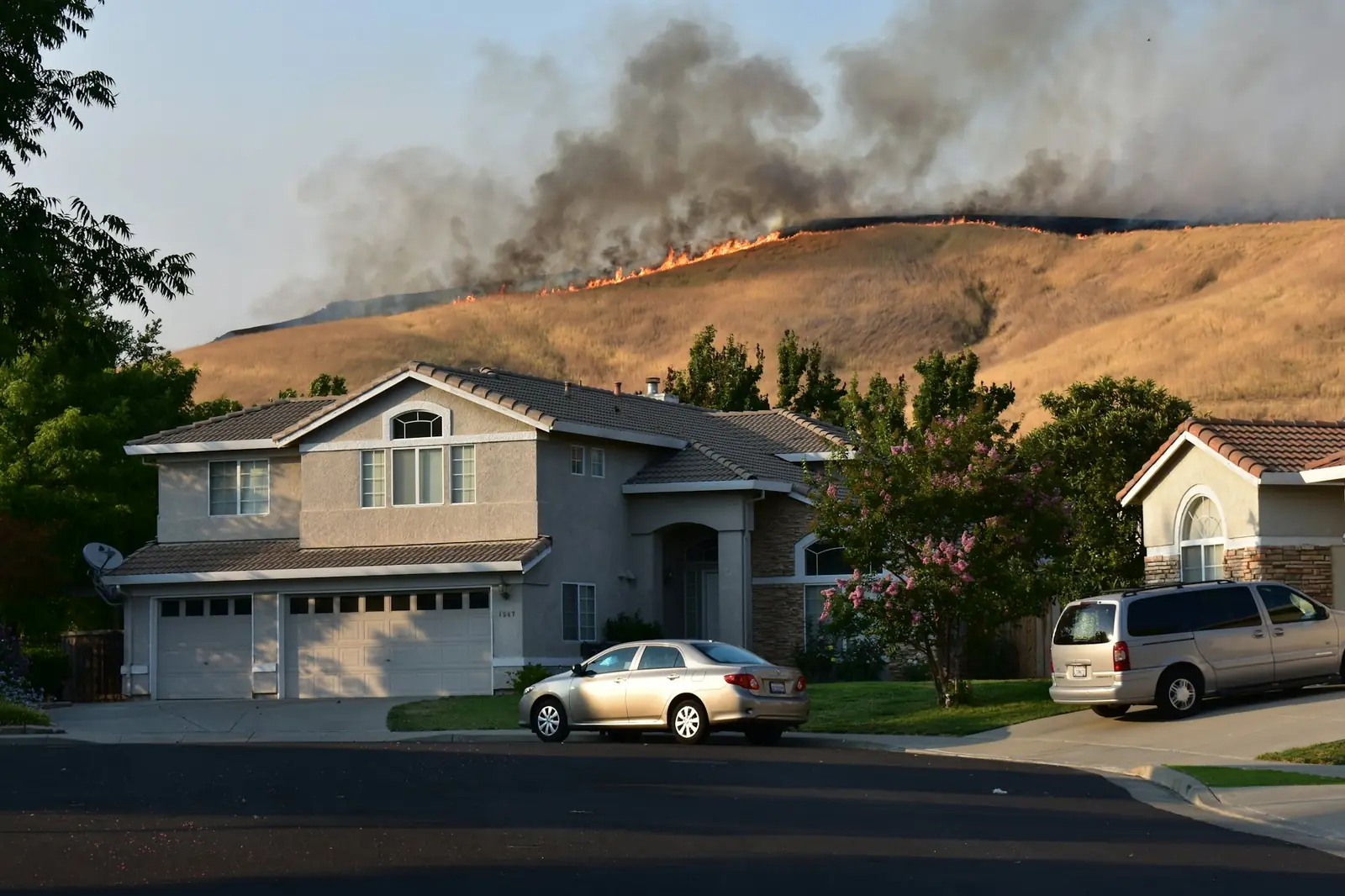
Embers, Not Flames: How Most Homes Actually Burn in a Wildfire
Homes often survive the fire front and ignite hours later. Understanding ember attack is the key to protecting a house in fire country.
Oct 14, 2026 · 3 min read[ 07 ]Works best with
The other layers.
 →Layer 01 · Active defense
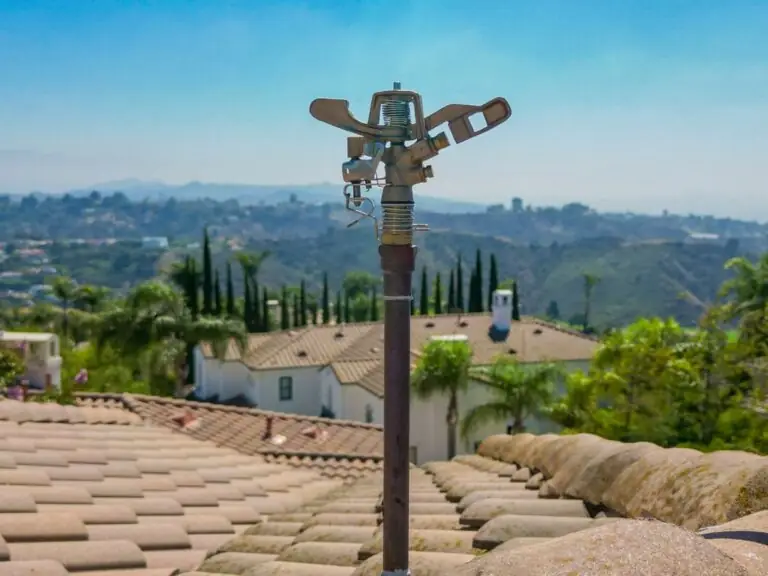
Autonomous Wildfire Sprinklers
Heat and ember sensors start a roof and perimeter spray of water mixed with biodegradable Class A retardant. The system runs off the grid from your…
 →Layer 03 · Ember defense
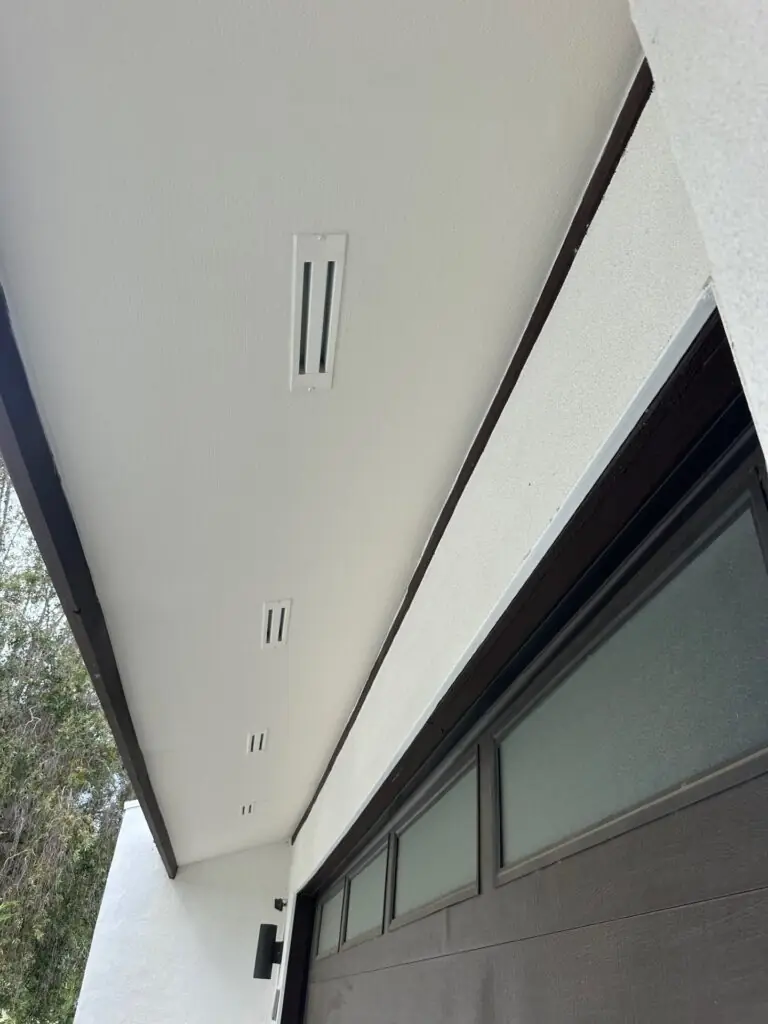
Ember-Resistant Vents and Gutters
Attic and foundation vents are the most common way embers get inside a house. Fine metal mesh stops them at the opening, and noncombustible gutter…
 →Layer 04 · Glazing defense
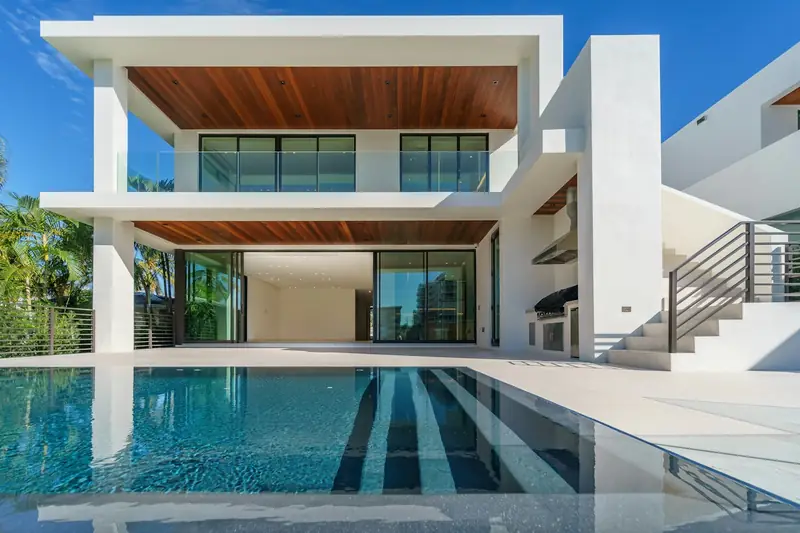
Wildfire Window Laminates
Glass breaks under radiant heat and lets embers straight into the house. A heat-resistant film holds the pane together, so you can protect the…
[ ? ]FAQ
Fire-retardant paint questions.
Still deciding? Call or text 310-569-4523.
Does fire-retardant paint look different?
No. Exterior systems take standard tints and the clear coat keeps natural wood visible.
How long does the coating last?
Like any exterior paint it depends on exposure. We inspect during seasonal checks and touch up as needed.
Can you coat interior spaces?
Yes. We offer interior intumescent coatings for attics, garages and other high-risk rooms.