Fire-retardant paint sounds too good to be true. A coat of paint that protects a house from fire? The science is real, and it has been used for decades in commercial construction. Here's how it works and where it belongs on a home.
The basic idea
"Intumescent" means it swells. An intumescent coating stays thin and looks like normal paint at everyday temperatures. When it's exposed to high heat, it reacts and expands into a thick, carbon-rich char.
That char acts as insulation. It slows heat transfer into the surface underneath, delaying ignition of wood siding, trim and eaves.
Where it helps most
Intumescent coatings work best on the combustible surfaces embers and radiant heat attack first:
- Eaves and soffits. Open eaves trap heat and embers right where the wall meets the roof.
- Wood siding and trim. Especially on older homes and mountain cabins.
- Decks and railings. The horizontal surfaces where embers settle.
- Fences and gates that connect to the house.
- Interior spaces like attics and garages, with interior-rated products.
Protecting character, not replacing it
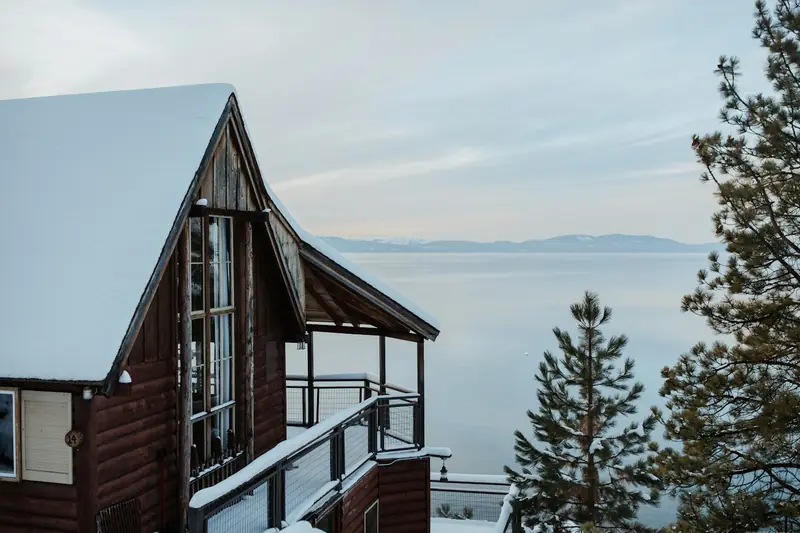
Replacing wood siding with noncombustible materials can cost a fortune and change how a home looks. A rated coating protects the original surfaces. Exterior systems take standard tints, and clear coats keep natural wood visible, which matters for craftsman homes in Pasadena and timber homes around Lake Tahoe.
Application matters
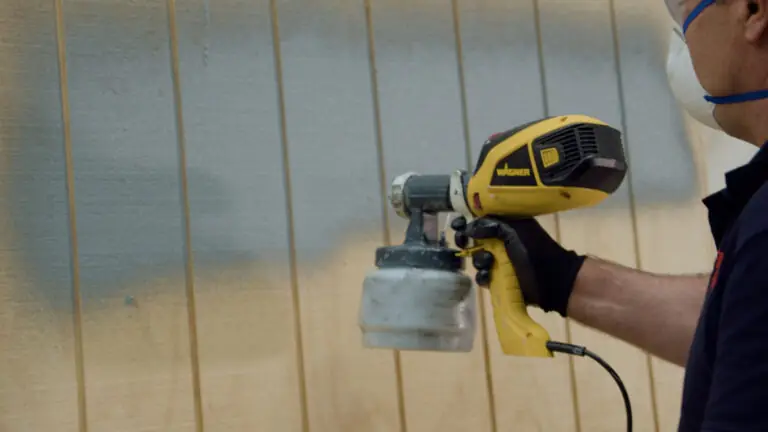
A coating only performs at its rated thickness. Surfaces need to be cleaned and repaired first, and crews need to apply the right number of coats. One of our Bel Air clients started with a fire-retardant repaint and ended up resurfacing the whole house to a smooth finish, because the prep work revealed what the old paint had been hiding.
What it isn't
Intumescent paint is not a force field. It buys time and reduces the chance of ignition. It works best as one layer alongside ember-resistant vents, a clean five-foot zone and window protection.
Maintenance. Like any exterior paint, coatings weather. We inspect during seasonal checks and touch up as needed. When a few areas bubbled on one Topanga home a year later, our crew came back and fixed them.
Learn more about fire-retardant paint or book a free assessment.
Frequently asked questions
Is fire-retardant paint the same as fireproof paint?
No coating makes a home fireproof. Intumescent coatings slow heat transfer and delay ignition, buying time during a fire.
Can fire-retardant paint be used on decks?
Yes. Decks and railings are some of the most valuable surfaces to treat because embers settle on them.
How often does the coating need to be redone?
It depends on sun, weather and wear. We inspect during seasonal checks and touch up as needed.