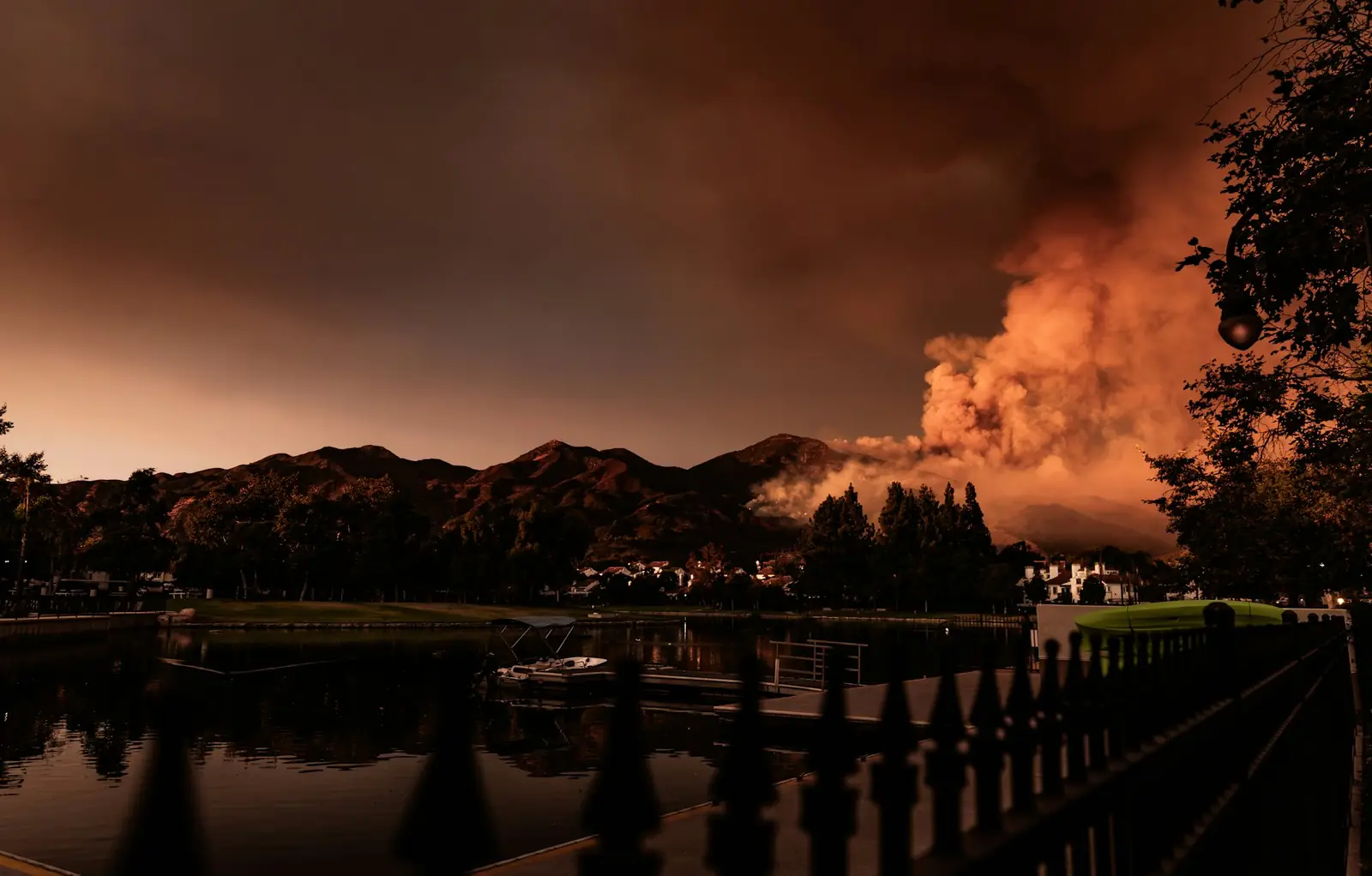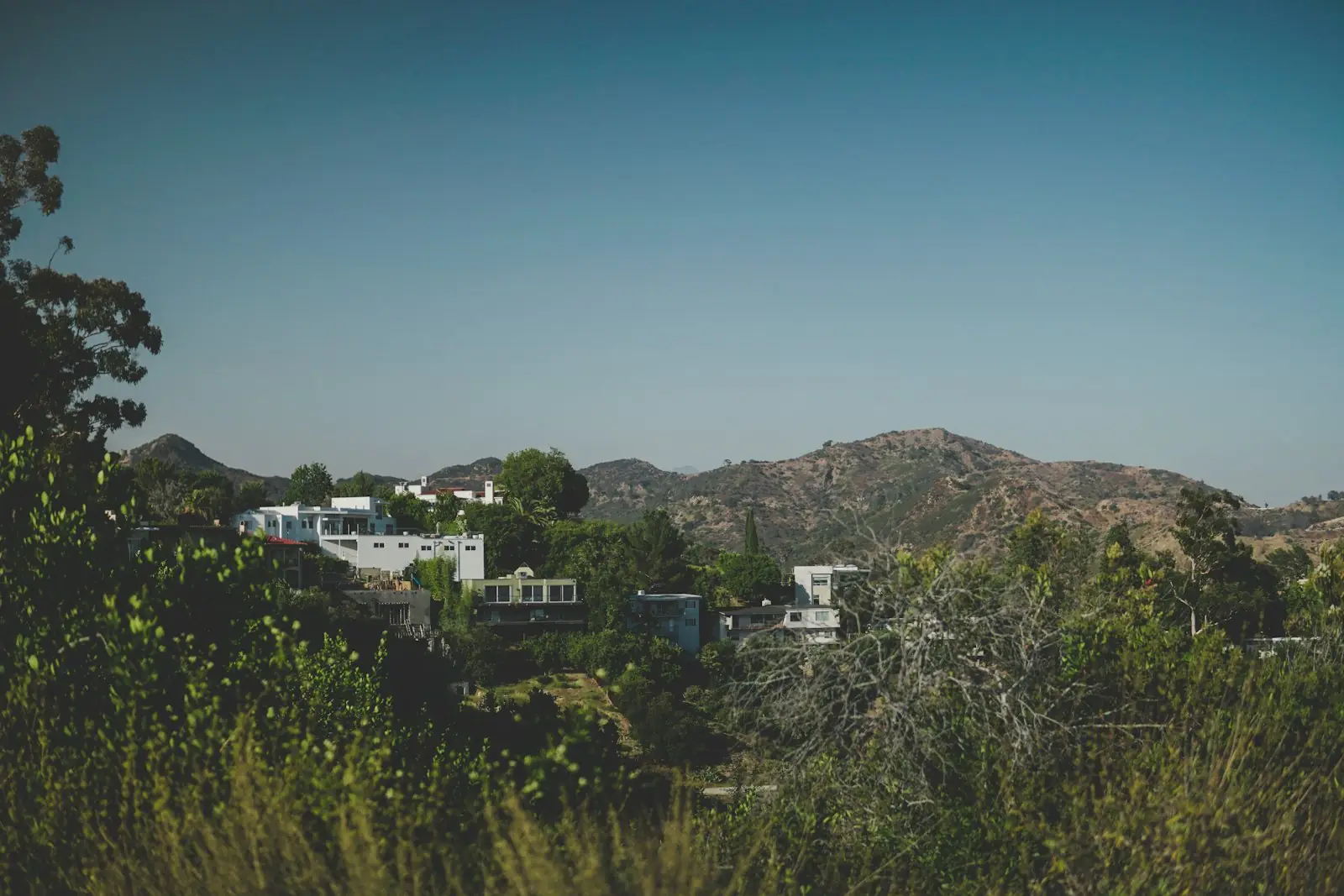
If you own a home in the hills of Los Angeles, you have probably received an official notice about brush clearance. The rules in that notice depend on which agency inspects your parcel, and the City of Los Angeles and Los Angeles County do not use identical standards, fees or schedules.
This guide compares the two programs using their own 2026 notices, so you can read yours with confidence. It is general information, so always follow the notice mailed to your address.
Who inspects your property: LAFD or LA County Fire
Los Angeles has two separate brush programs. The Los Angeles Fire Department administers the City's Defensible Space/Brush Clearance Program within the Very High Fire Hazard Severity Zone. The Los Angeles County Fire Department runs its own annual program for declared parcels under the County Fire Code.
The quickest way to tell which applies is to look at the letterhead on your notice. Many hillside neighborhoods sit inside city limits, while others are unincorporated or in separate cities, so do not assume from the neighborhood name alone. If you are unsure, call the number on the notice. LAFD lists its Brush Clearance Unit at (800) 994-4444.
You do not have to be home for either program. The county says owners are not required to be home for the inspection.
City of Los Angeles (LAFD) requirements
The city's standard is the larger footprint. LAFD requires year-round compliance on all native brush, weeds, grass, trees and hazardous vegetation within 200 feet of any structures/buildings, and within 10 feet of a combustible fence or a road or driveway used by vehicles. That 200 feet applies whether the structure is yours or a neighbor's.
The core items on the 2026 owner mailer are:
- Grass cut to 3 inches in height, and native brush reduced to 3 inches, except for individual native shrubs spaced at least 18 feet apart and trimmed up from the ground.
- For trees taller than 18 feet, no foliage within 6 feet of the ground. For trees and shrubs under 18 feet, lower branches removed to one third of their height.
- All dead trees and vegetation removed.
- Foliage no closer than 10 feet from a chimney outlet.
- Roofs kept free of substantial leaves, needles and twigs, with 5 feet of vertical clearance between the roof and overhanging trees.
The city also regulates how the work is done. Its ordinance says brush clearance cannot be done on red flag days. It limits metal cutting blades to non-sparking types, and it requires an approved fire extinguisher, or a pressurized garden hose with attached nozzle within 10 feet of the work.
A nonprofit summary of the city code adds a few items inspectors also look for. Firewood must be 30 feet from a structure or in a closed fire-resistive container. Vegetation needs a 3-foot clearance around hydrants. Branches over the street need trimming up to at least 14 feet above the roadway Wildfire Los Angeles summary of the city code.
Los Angeles County Fire requirements
The county notice is built around the state's 100-foot framework, with a possible extension. It tells owners to clear flammable vegetation within 30 feet of a structure. Then they must thin the remaining vegetation for the next 70 feet, for a total of 100 feet, and for extra hazard areas the distance can be increased to a maximum of 200 feet.
Other county points from its 2026 notice and defensible space booklet:
- Cured annual grasses should be kept no higher than three inches.
- Specimen native trees and shrubs are allowed if they do not carry fire to a structure, with a recommended spacing of at least 15 feet or three times their diameter.
- Tree limbs should be removed within five feet of any structure, and within 10 feet from any chimney outlet.
- County clearance sheets say firewood and other combustibles must be stored a minimum of 30 feet from any building.
If your 100 feet reaches onto a neighbor's land, the county's guidance is to contact your local fire station for assistance in obtaining adequate clearance.
Both programs overlap with the five-foot Zone 0 conversation, but neither notice replaces it. For how the zones fit together, see Defensible Space Zones Explained.
Fees, fines and timing in 2026
City of Los Angeles. The 2026 inspection fee was $31.00 per parcel. LAFD said you can avoid it if, by May 1, 2026, your property complied with the city code. The department conducts initial inspections from May 1 through June 30. A parcel that fails and stays out of compliance after a second inspection is cleared by city contractors and billed to the owner. One local report on the program noted that late payments are subject to a 200% penalty assessment.
Properties damaged in the Palisades Fire may qualify for relief. Local reporting says those parcels may be eligible for an exemption from the inspection fee, but an exempt parcel that fails still gets a Notice of Non-compliance with a due date.
LA County. For 2026 the Board of Supervisors approved an initial inspection fee of $151.00 for all declared improved parcels. The county's fine structure is gentler at the start: the administrative fine for a first violation is $0, and failure to comply 30 days after it brings a second violation with a $500 fine. Parcels needing enforcement beyond a second inspection can also face an abatement enforcement cost of $1,647.00.
County inspections start in stages. They begin approximately April 1 for Desert communities, May 1 for Inland communities, and June 1 for Coastal communities. These figures are the 2026 cycle. Fees and dates are reset each year, so check your new annual notice before you rely on any number here.
Why the paperwork matters beyond the fine
Brush clearance also shows up in two places homeowners do not always connect to it: insurance and real estate sales.
On insurance, California's Safer from Wildfires framework lists defensible space among its measures. The Department of Insurance describes it as following state and local laws requiring defensible space including trimming trees and removal of brush and debris from yard. Carriers set their own discounts and underwriting rules, so your carrier sets final pricing. Documentation is what lets you ask the question. Our guide to the Safer from Wildfires program explains how the measures fit together.
On sales, California's AB 38 requires that sellers of a home in a High or Very High Fire Hazard Severity Zone provide buyers documentation proving compliance with defensible space requirements. If paperwork is not ready by closing, the buyer and seller may agree in writing that the buyer will obtain it within one year. Fees and procedures vary by local agency. Glendale, for example, charges a $43 fee for its inspection, which shows how much local rules differ.
What this means for your home
- Find your agency and read the whole notice. Note the standard it cites (200 feet for the city, 100 feet with a possible extension for the county) and the dates.
- Set up your LAFD account if you are in the city. LAFD lets owners register at fims.lafd.org, where the status of your property (compliance or non-compliance) is visible, along with photos of any brush hazards.
- Walk the property with a tape measure. Check 3-inch grass, the 6-foot limb-up on tall trees, 5 feet above the roof, 10 feet around chimneys, and firewood at least 30 feet out.
- Do the roof and gutters too. Dead leaves and needles on a roof are on the inspector's checklist, and they are also where embers land. Our vents and gutters page covers the hardware side.
- Hire early and avoid red flag days. Contractors fill up before inspection season, and city rules bar clearance on red flag days. Choose plants with care when you replant; fire-resistant landscaping for hillside homes has ideas.
- Keep your proof. Save compliance letters, dated photos and invoices in one folder. The county mails a Compliance Letter for parcels passing inspection. Photos and letters are useful if you speak with your insurer or sell.
- Think beyond the clearance line. Brush clearance reduces fuel, but embers still find roofs, vents and windows. Wetline offers a free home hardening assessment that looks at both the landscape and the structure. If you live in Pacific Palisades, see our Pacific Palisades page for local context.
Frequently asked questions
Do I still have to clear brush if my property already passed inspection?
Yes. LAFD describes brush clearance as a year-round responsibility, and its ordinance calls for year-round compliance. A passing result one year does not cover regrowth, so plan to maintain the property through the season.
What if the 200 feet reaches my neighbor's land?
The city standard applies to vegetation within 200 feet of any structure, whether that structure is on your property or an adjoining one. For the county, the guidance is to contact your local fire station for help with clearance that falls on adjacent property. Talk to your neighbor early, and ask the agency if you are unsure what you are responsible for.
Will brush clearance lower my insurance premium?
It may help, but nothing is guaranteed. California's Safer from Wildfires framework recognizes defensible space compliance, and carriers must account for listed measures in their rating plans. The size of any discount depends on your carrier and policy, and your carrier sets final pricing. Wetline is not an insurance agent, so ask your agent or insurer what documentation they accept.
Sources
- LAFD: 2026 Owner Notification Mailer (Brush Clearance Program)
- LAFD: Brush Clearance Requirements
- LAFD: Owner Notification Mailer (2026 program)
- LAFD FIMS: Brush program page
- Brentwood News: LAFD sets May 1 deadline for mandatory brush clearance inspections
- Wildfire Los Angeles: L.A. City Brush Clearance Requirements
- LA County Fire: Annual Defensible Space Clearance Notice 2026
- LA County Fire: Annual Defensible Space Inspection Program Details 2026
- LA County Board of Supervisors: 2026 Defensible Space Clearance/Weed Abatement letter (March 24, 2026)
- LA County Fire: Defensible Space program page
- LA County Fire: Defensible Space booklet
- LA County: Weed and Brush Clearance Requirements
- City of Orinda: California Department of Insurance's Safer From Wildfire
- City of Glendale: AB-38 Real Estate Disclosure
This article is general information, not insurance or legal advice. Your carrier sets final pricing and eligibility.