Fire Chief, Industry Consultant · Updated November 28, 2026
A fire does not have to reach your house to damage it. Smoke, soot and ash can settle inside a standing home, and for years homeowners have argued with carriers over whether that counts as covered damage. In September 2026 California passed a law, AB 1795, that sets the first statewide ground rules for those claims. This guide explains what it does, when it starts, and what you can do now.
Wetline is not an insurance agent or a law firm, so treat this as general information. Your policy language and your carrier decide your actual coverage.
What AB 1795 is and when it starts
AB 1795 is called the Smoke Damage Recovery Act. Governor Newsom signed it on September 15, 2026, and it was chaptered as Chapter 240 of the Statutes of 2026, according to trade coverage in Insurance Business. The California Department of Insurance (CDI) describes it as the nation's first enforceable standards for investigating, testing, and restoring smoke-damaged homes.
Timing matters. CDI says certain provisions take effect January 1, 2027, with remaining provisions effective January 1, 2028, and July 1, 2029. One legal analysis notes that the law is paired with a companion bill, AB 1642, and that the two are linked: each also conditions its operation on the other's enactment and effectiveness. The adjuster training and certification programs are the piece with the 2029 deadline.
In practical terms, a smoke claim you file today is not yet governed by most of the new rules. A claim filed after the effective dates should be.
What the law requires of insurers
Based on CDI's summary, the law does several things for a qualifying smoke claim:
- It creates a rebuttable presumption that smoke inside a home in a wildfire impact zone came from that wildfire. Rebuttable means an insurer can still try to show otherwise.
- It makes insurers responsible for the cost of necessary testing and sampling to work out how to safely restore the home.
- It requires inspection within 30 days after the insurer receives notice of the claim or gains access to the property.
- It requires repair estimates that restore property to at least its pre-loss condition while meeting applicable health and safety standards.
- It protects your right to choose the vendor or contractor who does the restoration work.
- It creates training and certification requirements for adjusters handling these claims.
There are also payment and living-expense rules. Insurance Business reports that insurers cannot end additional living expense coverage until the home has been restored and cleared for occupancy under health-based standards. The bill text sets separate 30-day payment triggers for personal property and for completed restoration, and those depend on policy terms, undisputed amounts and limits. Do not read it as a single 30-day deadline for everything.
A presumption also does not set the dollar amount. One law firm analysis points out that the existence of smoke contamination does not automatically establish the amount of a particular claim.
Why the law exists
The push came after the January 2025 Los Angeles fires. CDI convened a Smoke Claims and Remediation Task Force to examine inspection, testing and claims handling. Earlier, the department had taken formal legal action against the California FAIR Plan Association over denying and limiting smoke damage claims, and it also opened a market conduct examination of State Farm's wildfire claim handling.
Court decisions added confusion. In a 2025 case, Gharibian v. Wawanesa, homeowners in Granada Hills claimed cleanup costs after wildfire debris, including soot and ash, settled on their property. The court found the homeowner lacked objective proof of physical damage. CDI responded with Bulletin 2025-7, which says recent cases do not support the position that smoke damage is never covered as a matter of law. The bulletin also points to the California Supreme Court's Another Planet decision, which confirmed smoke damage can be covered under policies that insure against direct physical loss or damage.
The takeaway from both the bulletin and the cases: coverage turns on your policy wording and on evidence. That is why records matter.
Does this apply to you if your home did not burn?
Possibly, and this is the most common point of confusion. A home does not need flame contact to have a smoke claim. The law's presumption applies to smoke in a residential property within a wildfire impact zone, so where your home sits relative to the fire matters. I could not find a plain-language definition of that zone in the sources I reviewed, so ask your carrier or read the statute text on the Legislature's site if your home sits near a fire perimeter.
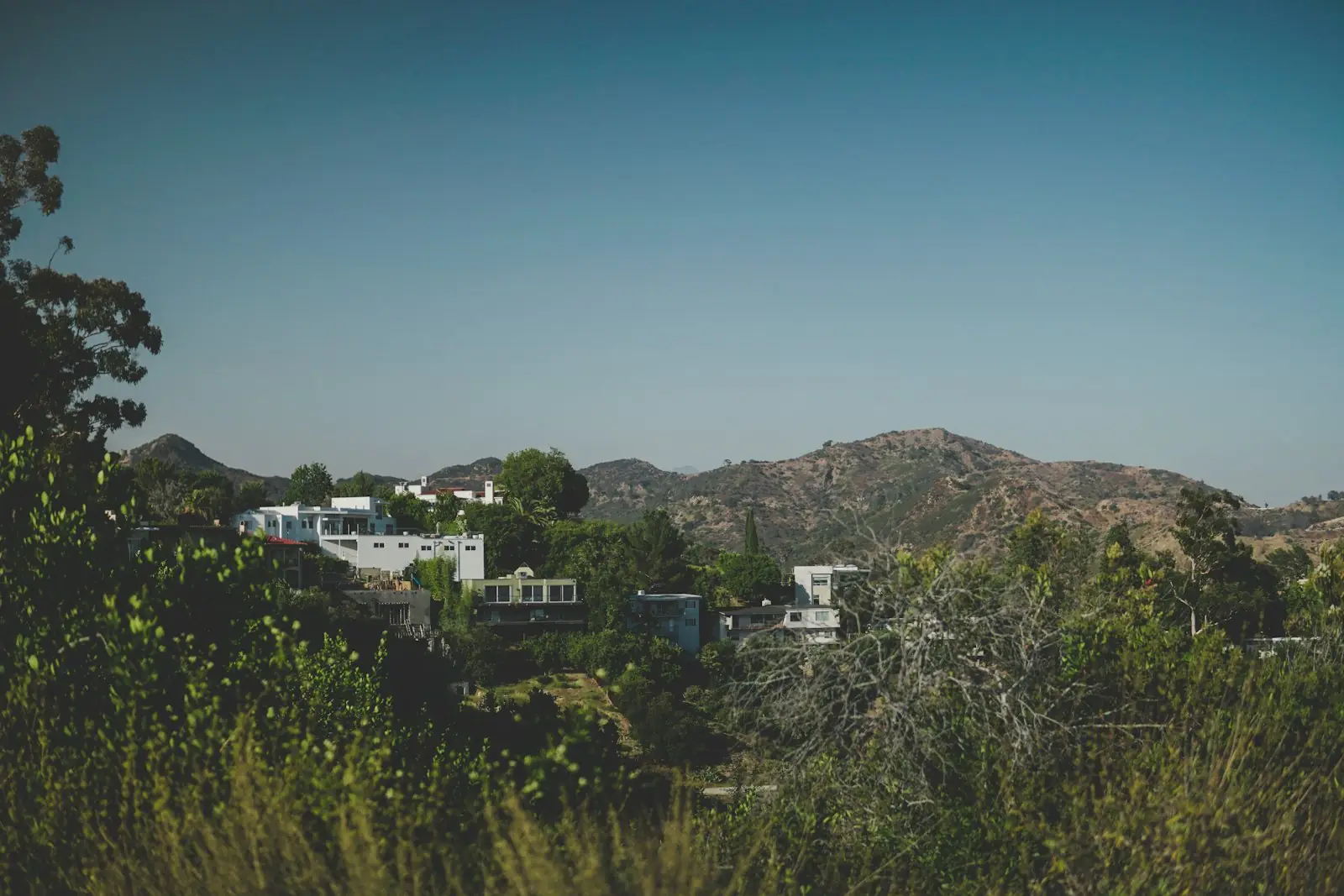
The law also matters if you live in a canyon or foothill community where fires are close, such as Topanga, Altadena or the Santa Monica Mountains. Homes in those areas often sit near the edge of fire footprints, where smoke exposure is likely even when the structure survives.
Two limits to keep in mind:
- AB 1795 is a California law. If you own in Nevada or the Tahoe Basin on the Nevada side, it does not apply, and your policy and Nevada rules govern.
- The law sets standards for how claims are handled. It does not rewrite your policy, change your limits or guarantee a payment.
If you are on the state's insurer of last resort, read your policy form closely. Our comparison of FAIR Plan vs. a standard homeowners policy and our California FAIR Plan overview explain how those policies differ.
Documentation that helps before and after a fire
Commentary from claims attorneys keeps returning to one theme: the new framework makes documentation especially important. Some steps are cheap and worth doing now, before any smoke event.
Before a fire
- Photograph and video every room, the attic access, the crawl space and the exterior in good light. Store copies in the cloud.
- Keep a dated home inventory of furniture, electronics and clothing.
- Save records of recent work on the home: roof, vents, windows, paint, HVAC filter changes. These show pre-loss condition.
- Keep your declarations page and full policy form where you can reach them without the house.
After smoke exposure
- Notify your carrier promptly and note the date and who you spoke with.
- Photograph any visible soot, ash or discoloration, even though smoke damage is often hard to see.
- Ask for testing in writing. Under the new law, the insurer is responsible for necessary testing costs on qualifying claims.
- Keep copies of correspondence. One analysis advises saving everything about the scope of testing, habitability decisions, proposed remediation, contractor selection, and living expense benefits.
- If your adjuster says something is excluded, CDI's claimant tips suggest you ask the adjuster to point out the specific provision in your policy being cited.
- Verify any contractor's license with the state Contractors State License Board before signing anything, especially anyone who arrives unsolicited after a fire.
If you believe a claim was unfairly denied or delayed, you can file a complaint with CDI at insurance.ca.gov.
What this means for your home
Hardening cannot guarantee a smoke-free house, and we will not tell you it does. What it can do is reduce the chance that fire reaches your structure, and give you a clean paper trail. Here is a practical order of operations.
- Read your policy for smoke language. Look at how it describes covered loss, what it says about additional living expenses, and whether it has any smoke, ash or soot limits. Ask your agent to explain anything unclear.
- Build your baseline file this weekend. Photos, video, inventory, and a folder of maintenance and upgrade records. It takes a couple of hours.
- Close the common entry points. Embers and smoke find gaps. Ember-resistant vents and gutters and good weatherstripping on doors and windows are standard hardening steps. Our article on how most homes actually burn explains why embers drive so many losses.
- Keep your upgrade records together. Documented work helps with underwriting and, if you ever file, with proving condition. Your carrier sets final pricing and any credits.
- Get a second set of eyes. A free home hardening assessment walks your exterior and documents what is there. You can also email info@wetlinedefense.com with questions.
If you are rebuilding or repairing after the 2025 fires, our guide on rebuilding after the Palisades and Eaton fires covers hardening decisions worth making from day one.
Frequently asked questions
Is smoke damage covered by homeowners insurance in California?
It can be, depending on your policy wording and the facts of your claim. CDI's Bulletin 2025-7 states that recent court cases do not mean smoke damage is never covered. Your carrier still evaluates each claim, so ask for the specific policy provisions it relies on.
When do the new smoke damage rules start?
AB 1795 was signed on September 15, 2026. CDI says certain provisions take effect January 1, 2027, with others following in 2028 and July 1, 2029. Check with your carrier or CDI on which rules apply to a claim filed now.
Does AB 1795 apply in Nevada or Lake Tahoe?
No, it is a California statute. Homes on the California side of Lake Tahoe are covered by California law, but Nevada homes are not. Nevada homeowners should review their own policy language and our guide to the Nevada and Lake Tahoe insurance market.
Sources
- California protects families from hidden smoke damage after wildfires (CDI, Sept. 15, 2026)
- California one step closer to first-in-the-nation smoke damage protections (CDI)
- Governor signs landmark consumer protection package backed by Commissioner Lara (CDI)
- California law shifts smoke damage burden to insurers (Insurance Business)
- CDI Bulletin 2025-7: Insurance Coverage for Smoke Damage
- Commissioner Lara takes legal action against FAIR Plan for denying smoke damage claims (CDI)
- California Department of Insurance Clarifies Smoke Damage Claims (Wilson Elser / WSHB)
- California's New Smoke-Damage Law Changes the Rules for Wildfire Insurance Claims
- California Smoke-Damage Claims: Prepare Your Letters for AB 1795
- Top Ten Tips for Wildfire Claimants (CDI)
- AB-1795 Smoke Damage Recovery Act (bill text)
This article is general information, not insurance or legal advice. Your carrier sets final pricing and eligibility.
 By Will Spyrison