Southern California is expected to warm up through the week, with Santa Ana winds moving in by the weekend, according to ABC7's Election Day forecast published November 3, 2026. Forecasters in the region describe the coming wind event as weak to mild, and recent rain should help hold fire danger down. It is still a good time to spend an hour on your home, because the last wind event showed how quickly things can change.
What the forecast says
ABC7 reported that Tuesday, November 3 brings a mix of clouds and sun, with a high of 74 and a low of 56 in Los Angeles and Orange counties. Temperatures then gradually climb, with some areas back in the 80s by Friday, and Santa Ana winds arriving by the weekend.
The most detailed wind outlook we found comes from San Diego. On November 2, 10News reported warmer weather from Friday into the weekend and weak to mild Santa Ana winds from Friday through Monday. Forecasters there said recent rain will help mitigate the fire danger. That is a San Diego forecast, so Los Angeles and Ventura County conditions may differ. As of Tuesday, none of the sources we reviewed reported a Red Flag Warning for the coming weekend. Check the National Weather Service forecast for your ZIP code as the weekend gets closer.
Why a mild wind event still deserves attention
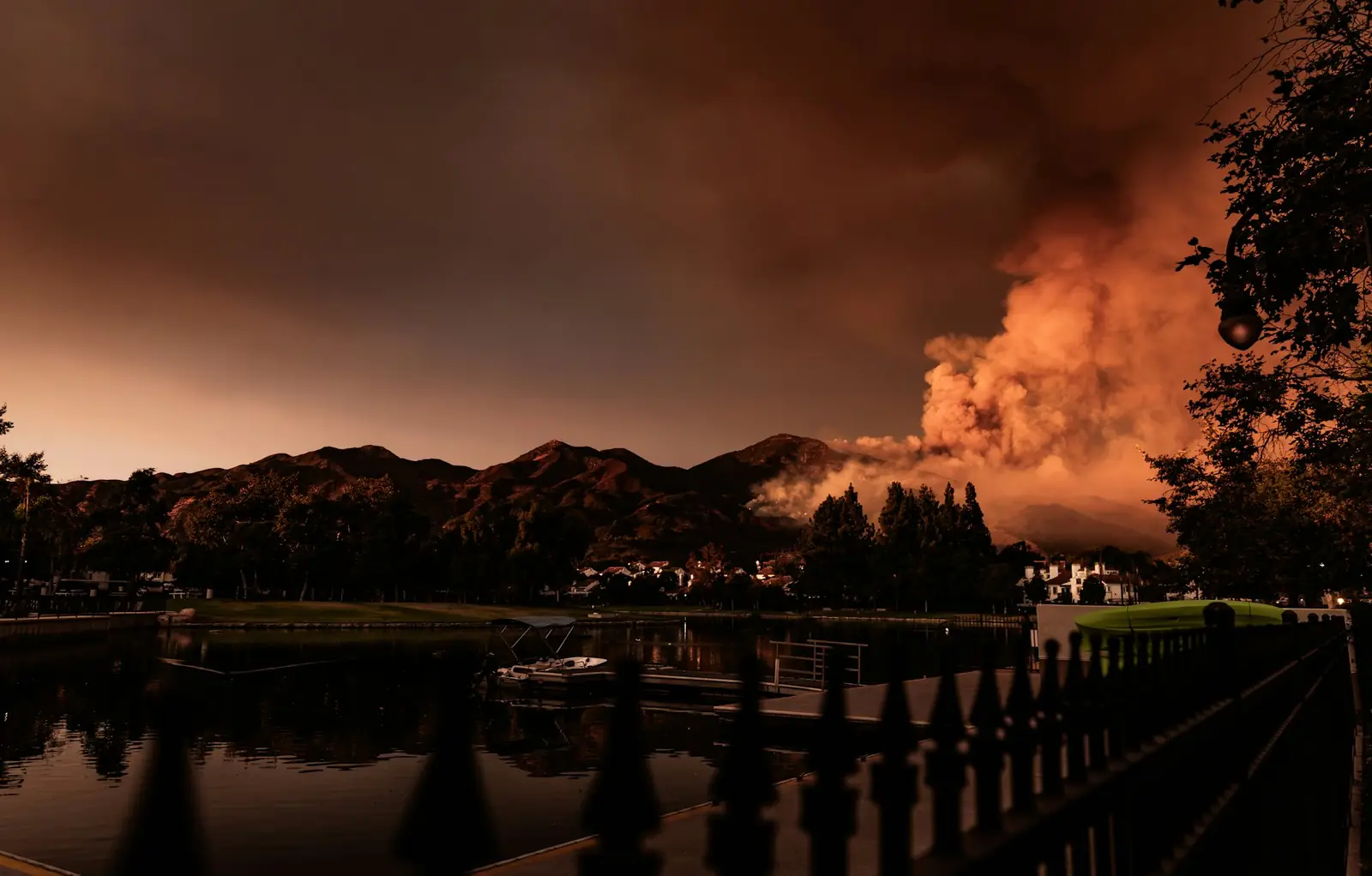
The first Santa Ana event of the season hit Southern California October 15 to 18, 2026. Red Flag Warnings covered parts of Los Angeles and Ventura counties, and firefighters worked the Bryson Fire in Malibu and the Norte Fire in Orange County.
The Los Angeles Times reported that the Norte Fire destroyed six homes in south Orange County. The region had received about an inch to an inch and a half of rain the weekend before, but vegetation had not had time to absorb it. Climate scientist Daniel Swain said that wind event did not compare to the ones that fanned the Palisades and Eaton fires. He also said it was still dry enough and windy enough to be a problem.
The lesson is not that every wind event is dangerous. It is that rain buys less time than people expect, and grass and brush can dry out within days. Santa Ana winds typically begin in September and October and usually peak in December and January, so this is the start of a long season, not the end of one.
What a Red Flag Warning actually means
CAL FIRE describes a Red Flag Warning as the National Weather Service flagging warm temperatures, very low humidity and stronger winds that can combine to raise fire danger. The City of Calabasas notes that these conditions generally exist when winds exceed 25 mph and relative humidity is below 15 percent. It adds that Southern California averages 8 Red Flag days a year.
A warning is not a prediction that a fire will start. It means that if one does, it can spread fast. That is why the useful response is to prepare the house and your household ahead of time, not to watch the sky.
Power shutoffs are part of the picture
During the October event, Southern California Edison warned of Public Safety Power Shutoffs affecting hundreds of thousands of customers across Los Angeles and Ventura counties. KTLA reported that shutoffs were in effect for more than 63,000 customers on October 15. A milder wind event may mean fewer or no shutoffs, but it is worth knowing whether your address is on SCE's list.
If you have a battery-backed device, such as a sprinkler controller or monitoring panel, confirm that the battery works now. If you rely on well pumps, garage door openers or gates, know how to operate them without power.
What this means for your home
You do not need to wait for a warning to do these steps. They take an hour or two and apply to any wind event this season.
- Clear the first five feet. Move doormats, cushions, umbrellas, firewood and stored items away from the walls. Embers collect where leaves and debris pile up, and our guide on how most homes actually burn explains why.
- Clean gutters, roof valleys and the base of walls. Dry leaves and needles are easy fuel for wind-blown embers.
- Check your vents. Damaged screens or old vents are a common weak point. Our page on ember-resistant vents and gutters covers what to look for.
- Skip the weed-whacking on windy, dry days. The City of Calabasas notes that sparks from equipment can start fires.
- Prepare for a power outage. Charge batteries and phones, and keep a go bag where you can reach it. If you have 24/7 monitoring, check its backup power.
- Know your zone and your alerts. Sign up for your county's emergency alerts, identify your evacuation zone and have a route planned. Our live wildfire map is a handy reference during an active incident.
- Take dated photos. Photograph your clearance work, vents, roof and landscaping. Documentation helps when you talk to your insurer, and your carrier sets final pricing and eligibility.
If you want a professional second opinion on where embers could get in, request a free home hardening assessment. You can also email info@wetlinedefense.com.
Frequently asked questions
Is there a Red Flag Warning for this weekend?
As of November 3, the sources we reviewed reported Santa Ana winds in the forecast but no Red Flag Warning. San Diego forecasters described the wind event as weak to mild. Check the National Weather Service for your area, because warnings are issued close to the event and can change.
Does recent rain mean my property is safe?
Not entirely. After the October event, the Los Angeles Times reported that about an inch to an inch and a half of rain had fallen in south Orange County the weekend before, yet vegetation dried quickly. Rain helps, but dry grass and leaf litter near your home can become fuel again within days.
What is the single most useful thing to do before a wind event?
Clear combustible material from the first five feet around your home, including gutters and the base of walls. Embers, not walls of flame, ignite most homes. Keeping that zone clean and free of stored items removes the easiest places for embers to catch.
Sources
- SoCal to see sunny skies, mild temperatures on Election Day (ABC7, Nov. 3, 2026)
- San Diego's Weather Forecast for November 2, 2026 (10News)
- SoCal braces for more Santa Ana winds as fire destroys homes in Orange County (Los Angeles Times via Yahoo)
- Red Flag Warning: Power shutoffs in effect for thousands in Southern California (KTLA, Oct. 15, 2026)
- Santa Ana winds bring final day of extreme fire danger, heat to Southern California (KTLA, Oct. 17, 2026)
- First Santa Ana wind event of season threatens Southern California (FOX Forecast Center via AOL)
- Incidents (CAL FIRE)
- Red Flag Warning (City of Calabasas)
This article is general information, not insurance or legal advice. Your carrier sets final pricing and eligibility.