The first Santa Ana wind event of the 2026 fire season swept across Southern California from October 14 to 17. It brought red flag warnings, utility power shutoffs and three notable wildfires. Firefighters held all three, and only a handful of homes were damaged. The week was still a reminder of how quickly a wind-driven fire can reach a neighborhood.
The red flag warning
The National Weather Service office in Los Angeles/Oxnard issued a red flag warning for most of Los Angeles and Ventura counties, running through 8 p.m. Saturday, October 17. Forecasters called for northeast to east winds of 20 to 40 mph with gusts of 50 to 70 mph. Valley and coastal temperatures were expected to reach the upper 80s and 90s, with some areas near 100 degrees. The most extreme conditions were expected in the Ventura and Los Angeles County valleys and mountains, including Santa Clarita, Thousand Oaks and Simi Valley.
Forecasters expected these winds to be weaker than the January 2025 event, when gusts reached 100 mph. Southern California Edison shut off power to tens of thousands of customers to reduce the risk of power lines starting fires.
Three fires in four days
Henderson Fire, San Diego County. The Henderson Fire started on the afternoon of October 15 near Marine Corps Base Camp Pendleton. It burned more than 3,100 acres and closed Interstate 5 twice before crews gained containment.
Bryson Fire, Malibu. A brush fire in the mountains west of Los Angeles prompted evacuation warnings in Malibu on October 15. By October 18 it was 61% contained, and evacuation orders in the Santa Monica Mountains had been lifted.
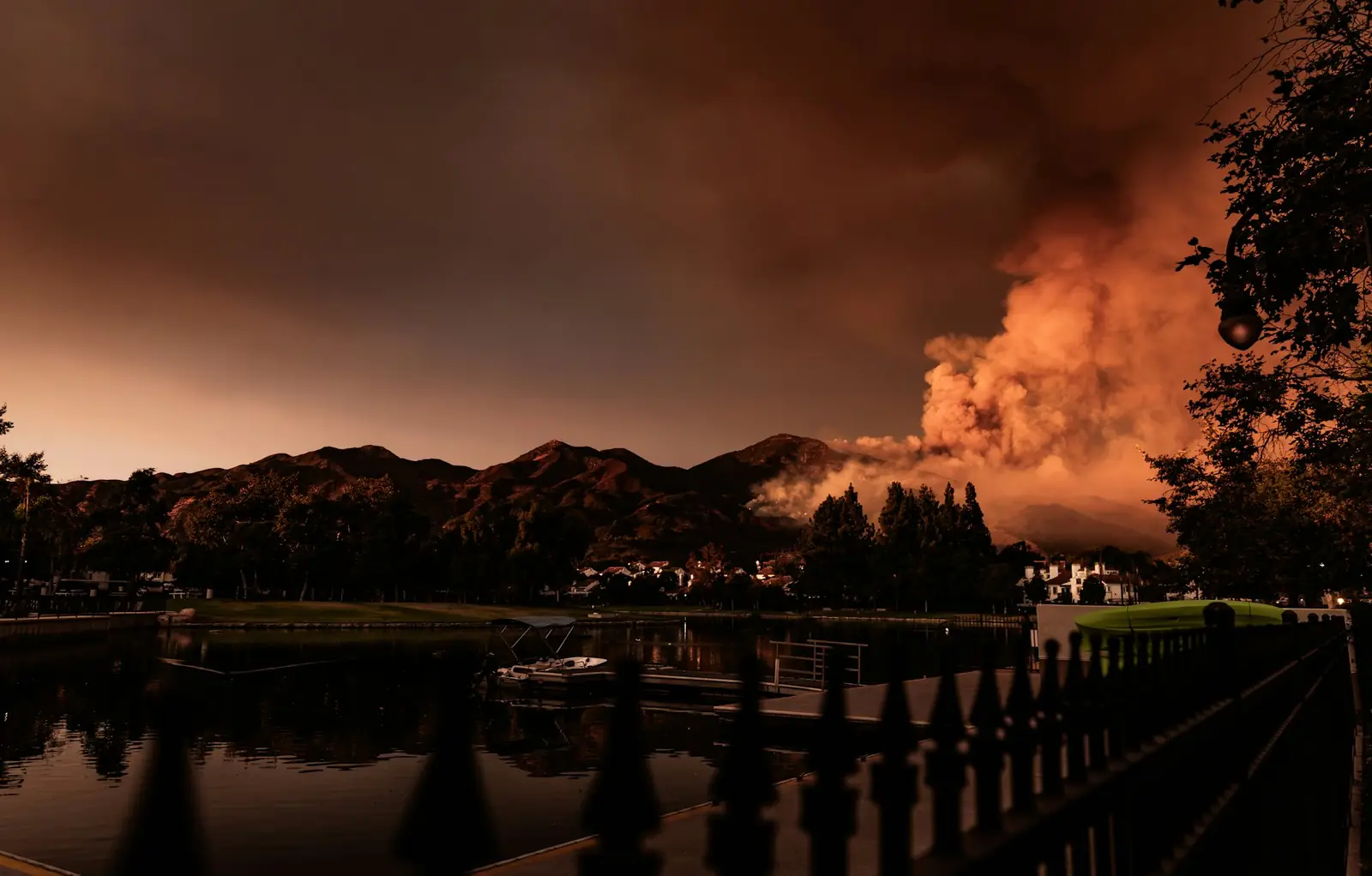
Norte Fire, Orange County. The Norte Fire started the morning of October 16 in San Clemente. Santa Ana winds pushed it to about 570 acres by that evening. Six homes in San Juan Capistrano and San Clemente were damaged or destroyed. By the evening of October 17 it was 25% contained, most evacuation orders had been lifted, and no residents were hurt. Two firefighters were hospitalized in stable condition. California received a FEMA Fire Management Assistance Grant for the response.
Why so few homes burned
Fast, aggressive firefighting and moderating winds made the difference this time. Industry coverage noted that insured losses are likely to be small, though damage in high-value areas like South Orange County and Malibu can add up quickly even when few homes are involved.
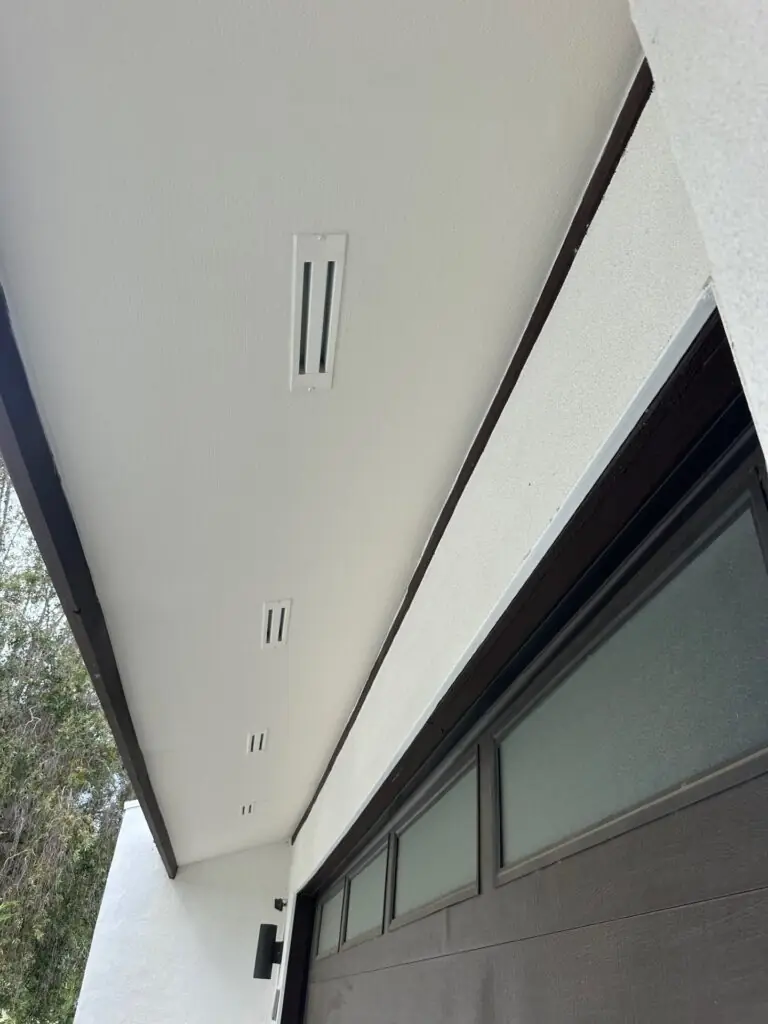
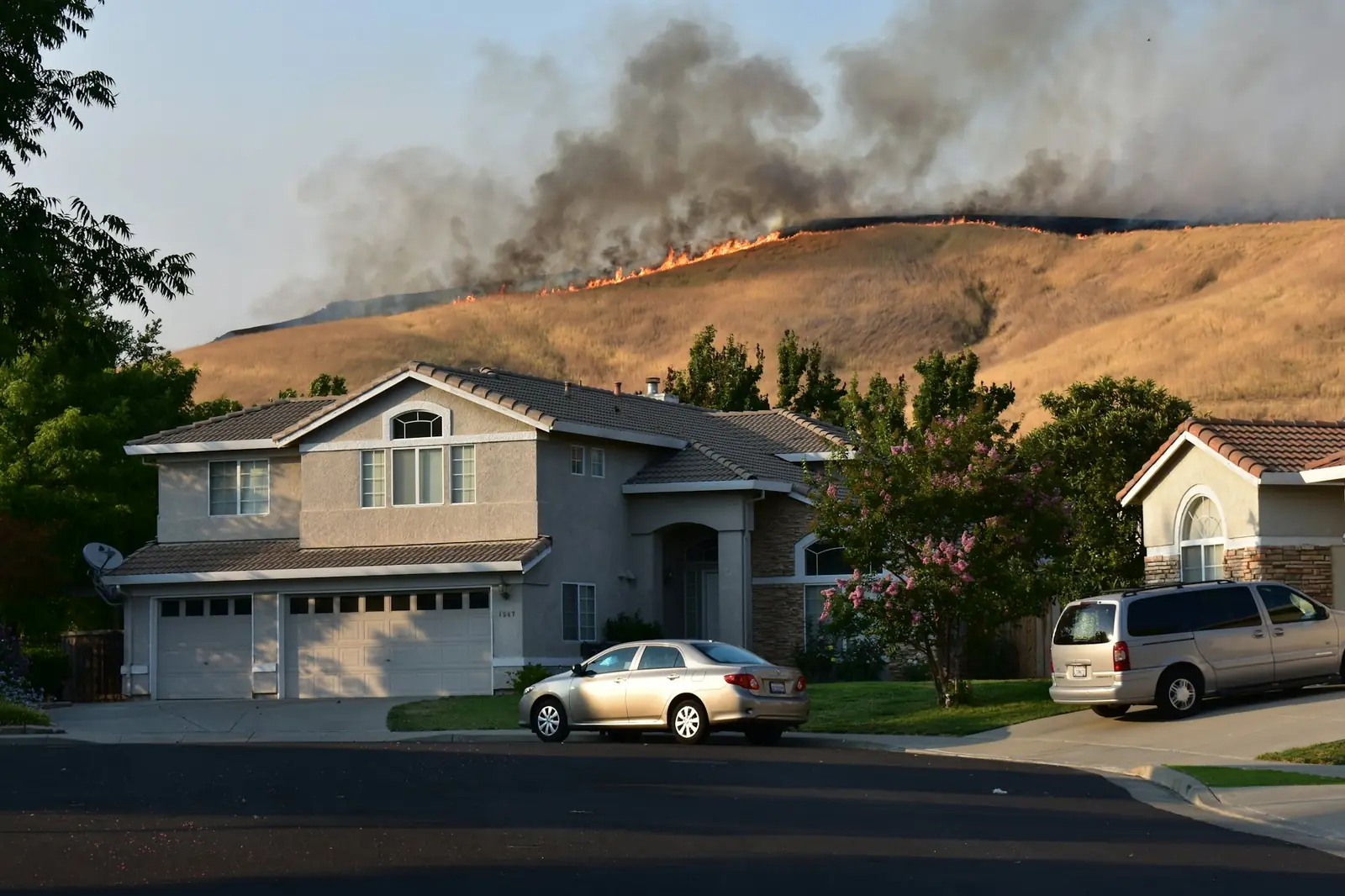
Wind-driven fires usually reach homes through embers, not a wall of flame. Embers can travel a mile or more ahead of a fire front and land in vents, gutters, mulch and under decks. That is why a home's first five feet, and its openings, matter so much. Our guide to how embers burn homes explains the process in detail.
The insurance angle
Insurance Business reported that the week renewed pressure on a fragile fire-zone insurance market. Many carriers had already pulled back from high-risk areas after January 2025, pushing more homeowners onto the California FAIR Plan. Homes with documented defensible space, ember-resistant vents and hardened roofs are in a stronger position as carriers return to these markets.
Under California law, after the governor declares a wildfire state of emergency, the Insurance Commissioner can bar non-renewals of residential policies in affected and adjacent ZIP codes for one year. A FEMA grant alone does not trigger that protection.
What this means for your home
The next Santa Ana event is a matter of when, not if. Before it arrives:
- Clear the first five feet. Remove dry leaves, needles, bark mulch and stored firewood from against the house and under decks.
- Clean roofs and gutters. Debris in gutters is one of the most common ember ignition points.
- Check your vents. Standard vents let embers into attics and crawl spaces. Ember-resistant vents close that path.
- Plan for power shutoffs. If your home defense depends on a pump or a water tank, make sure it works without grid power. Our wildfire sprinkler systems are designed to run off-grid.
- Document what you have done. Photos and receipts help your broker make the case to a carrier.
Not sure where to start? A free Wetline assessment scores each item for your property.
Frequently asked questions
What is a red flag warning?
The National Weather Service issues a red flag warning when critical fire weather is occurring or about to occur, usually a combination of strong wind, low humidity and dry vegetation. During a warning, avoid anything that can spark a fire, and have an evacuation plan ready.
Do Santa Ana winds make fires spread faster?
Yes. Santa Ana winds are hot, dry and strong, which dries out vegetation and carries embers long distances. Most homes lost in wind-driven fires are ignited by embers rather than direct flame.
Can my insurer drop me after a nearby wildfire?
If the governor declares a state of emergency, California's Insurance Commissioner can bar non-renewals in affected and nearby ZIP codes for one year. Ask your broker whether a moratorium applies to your address.
Sources
- Southern California wildfires spare most homes as fire-zone market stays fragile, Insurance Business (Oct. 18, 2026)
- Santa Ana wind event prompts Red Flag Warning for parts of Southern California, CBS Los Angeles (Oct. 15, 2026)
- Santa Ana winds bring wildfires to Southern California, TIME (Oct. 15, 2026)
This article is general information, not insurance or legal advice. Your carrier sets final pricing and eligibility.