Retired Division Chief, USFS · Published November 08, 2026
The National Weather Service kept a Red Flag Warning in effect on Saturday, Nov. 7, 2026, for the Santa Monica Mountains, the Santa Susana Mountains, the Santa Clarita Valley and the western San Gabriel Mountains. Southern California Edison was weighing precautionary power shutoffs for nearly 5,000 customers, and forecasters said the brush had not fully recovered from recent rain. Winds are expected to ease on Sunday, but the lessons from this weekend apply to the rest of the Santa Ana season.
What happened on Saturday
A Red Flag Warning ran from 2 a.m. to 6 p.m. Saturday for the Santa Clarita Valley, Santa Monica Mountains, Santa Susana Mountains and western San Gabriel Mountains, according to NBC Los Angeles. Forecasters called for northeast winds of 20 to 30 mph with gusts of 45 mph and higher, and relative humidity as low as 8% to 20%.
The Weather Service warned of a risk of rapid fire growth and extreme fire behavior with any new fire start. Its warning also noted that wind gusts could reach 55 mph in isolated spots, and that the area was not out of the woods yet for fire danger.
The Los Angeles Fire Department began red flag parking restrictions at 6 a.m. Saturday, set to last at least 24 hours. Cars parked illegally in posted Very High Fire Hazard Severity Zones can be towed so engines can get through narrow streets. The Santa Monica Mountains National Recreation Area also activated its red flag protocol, which includes temporary closures of park and hiking areas.
The Palisadian-Post noted that the warning did not cover the full populated areas of Pacific Palisades or Malibu, though some sections of the Highlands and Upper Marquez fell inside its boundaries.
Why rain did not end the risk
Many Angelenos assumed the recent rain had ended fire season. The Weather Service said otherwise. Live fuel moisture, the water content of living brush, was still in the 65% to 80% range. The agency said recent rain helped, but described the area as not out of the woods.
In the Weather Service's words, "Fuels remain critically dry despite some minor greenup from recent rains." A thin layer of green growth can hide dry material underneath, and dead grass, leaves and needles dry out within hours once humidity drops. If you want a refresher on how agencies rate that danger, see our guide to the burning index.
Power shutoffs are part of the picture
As of Friday morning, Southern California Edison listed 4,639 Los Angeles County customers and 297 Ventura County customers as possible Public Safety Power Shutoff candidates. Utilities cut power in high winds to keep damaged or wind-blown lines from sparking a fire. SCE has said restoration can take many hours after winds die down, because crews must inspect lines before turning power back on.
This is a smaller event than October's. During the Oct. 15 to 17 wind event, SCE reported tens of thousands of customers without power, including Malibu and Calabasas. That same stretch of weather helped fuel the 570-acre Norte Fire in San Clemente and the Bryson Fire in Malibu, which burned about 147 acres.
What the forecast says now
Winds are expected to weaken Sunday. The Weather Service said no wind or fire weather hazard products were anticipated after Saturday. Offshore flow is expected to weaken through Tuesday, followed by a gradual cooling trend. Rain chances and high surf are also in this week's outlook, per KTLA's summary of the forecast. That is welcome, but a few damp days do not reset the season. Another round of Santa Ana winds can return before the winter rains arrive in earnest.
What this means for your home
A quiet Sunday is a good time to work through a short list. None of it needs to be done in a panic, and most of it takes an afternoon.
- Sign up for alerts. Register with SCE's outage center for shutoff notices, and with your city and Los Angeles County for emergency alerts. Know your zone and your evacuation routes.
- Plan for a power outage. Charge phones and battery packs ahead of a warning. Know how to open your garage door manually. Keep a battery or hand-crank radio, since officials recommend monitoring AM/FM radio if power fails.
- Check what depends on grid power. Gates, pumps, cameras and controllers may all go dark during a shutoff. If you have or are considering autonomous wildfire sprinklers or 24/7 wildfire monitoring, ask whether they run on battery or backup power and for how long.
- Clear the first five feet. Embers do most of the damage to homes. Remove dead leaves from gutters, roof valleys and under decks, and move firewood and doormats away from walls.
- Park with care. In posted Very High Fire Hazard Severity Zones, follow the red flag parking signs so fire engines can pass.
- Skip sparks on warning days. Avoid power tools, mowing dry grass, outdoor fires and barbecues when a warning is in effect.
- Think about your insurance paperwork. Photos and records of mitigation work help when you talk to your carrier. Wetline is not an insurance agent, and your carrier sets final pricing.
If you live in the Santa Monica Mountains, such as Malibu, and are not sure where your home is most exposed, a free home hardening assessment can show you the weak points: vents, eaves, windows, roofing and the zone next to your walls. You can also email info@wetlinedefense.com.
Frequently asked questions
What is the difference between a Red Flag Warning and a fire watch?
A Red Flag Warning means critical fire weather is happening or about to happen, usually a mix of strong wind, low humidity and dry fuel. A watch means conditions could develop. In both cases, any new spark can grow quickly.
Does recent rain mean I can relax?
Not entirely. The Weather Service said live fuel moisture was still 65% to 80% even after recent rain, and fuels remained critically dry in places. Brush and dead material can dry out again within days of a wind event.
Will my sprinkler or monitoring system work if the power is shut off?
It depends on how it is built. Ask your installer whether the controller, pump and communications have battery or other backup power, and how long they last. Test them before a warning is issued, not during one.
Sources
- Warm and windy weekend includes red flag warning. See the fire weather outlook (NBC Los Angeles, Nov. 6, 2026)
- Red Flag Warning in effect in Southern California for elevated fire danger (CBS Los Angeles, Nov. 7, 2026)
- A Red Flag Warning, high surf and storms: SoCal's weather outlook for this week (KTLA)
- Thousands face possible power shutoffs as Santa Ana winds, fire danger return (KTLA)
- Santa Ana winds trigger extreme fire warnings, LA power shutoffs (Rolling Out, Nov. 7, 2026)
- Urgent weather warning as SoCal fire risk intensifies and power shutoffs loom (Yahoo News, Nov. 7, 2026)
- Red Flag Warning Issued for Saturday (Palisadian-Post)
- Nearly 70,000 without power in Southern California as Santa Ana winds raise wildfire risk (FOX 11, Oct. 16, 2026)
- Malibu's Bryson Fire 52% Contained; Evacuations and Power Shutoffs Continue (KFI, Oct. 17, 2026)
- SoCal Edison issues warning for power shutoffs (Santa Clarita Signal)
This article is general information, not insurance or legal advice. Your carrier sets final pricing and eligibility.
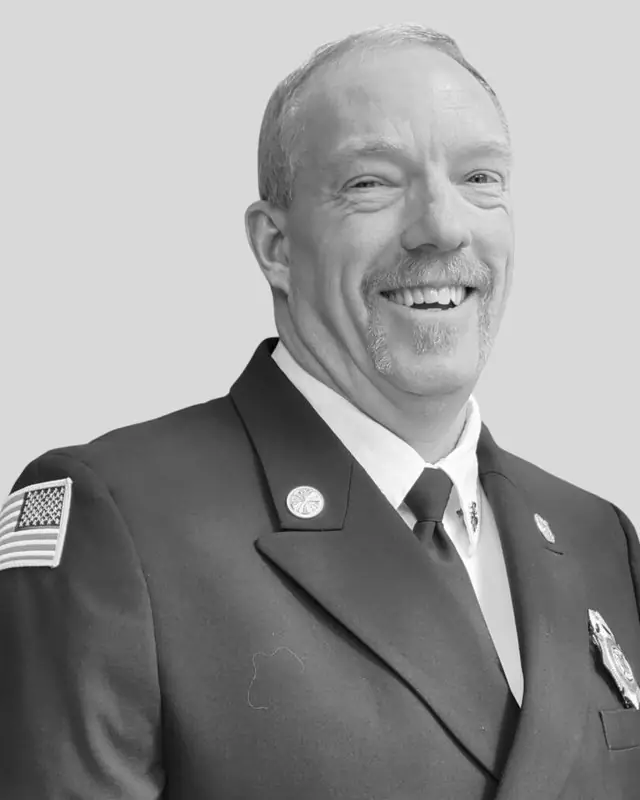 By Patrick Reitz