
Fire Chief, Industry Consultant · Updated November 06, 2026
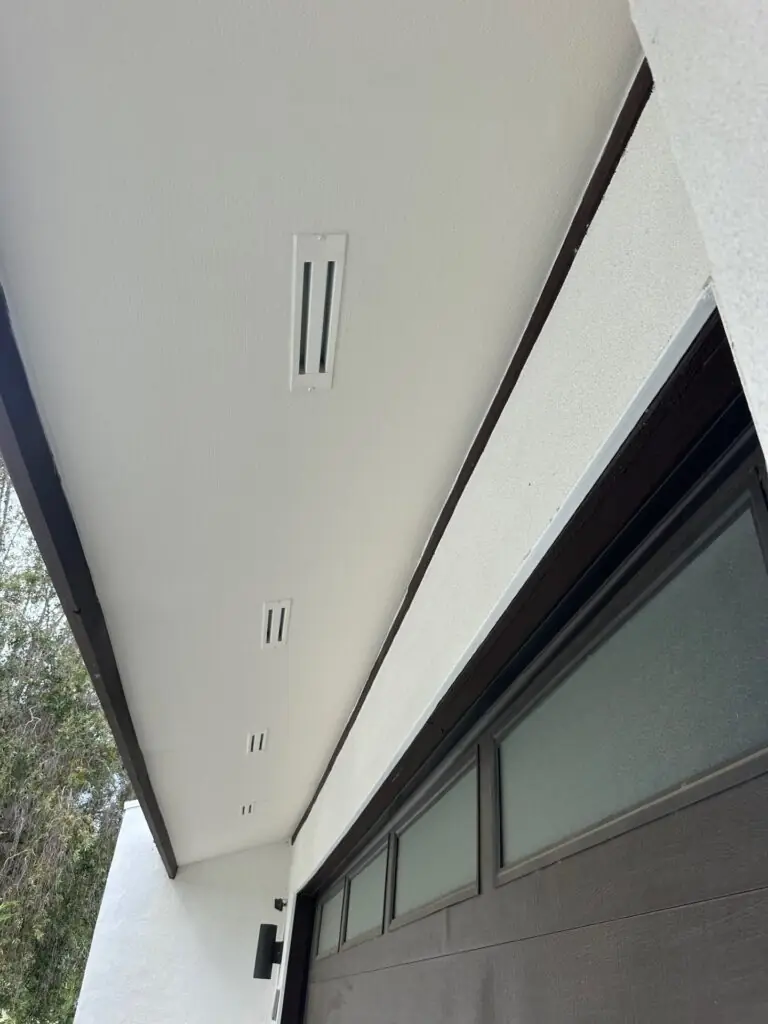
Attic, eave and crawlspace vents are one of the most common ways embers get inside a house. There are two ways to protect them: fine metal mesh behind the vent, or a listed ember- and flame-resistant vent. Mesh is the minimum. Listed vents do more, and California requires them in some spots.
At a glance
| Fine metal mesh | Listed ember-resistant vent | |
|---|---|---|
| How it works | Openings small enough to stop most embers | Baffles, layered louvers or a honeycomb with intumescent coating that swells shut in heat |
| Code size | Openings between 1/16 and 1/8 inch, noncombustible and corrosion-resistant (UC ANR) | Products listed as Chapter 7A compliant in the state's WUI Product Handbook |
| Eave and soffit vents | Not allowed on their own in fire hazard zones | Required where eave vents are used (UC ANR) |
| Stops flames | No | Many designs resist flame as well as embers |
| Clogging | Fine mesh clogs with dust, lint and paint and must be cleaned | Less prone, but still needs checks |
| Install | Can be added behind existing 1/4-inch screens | Replaces the vent; roof and eave work is usually a contractor job |
What California's code says
Under Chapter 7A of the California Building Code, vents in fire hazard zones need noncombustible, corrosion-resistant mesh with openings between 1/16 and 1/8 inch. The code goes further for eaves: it "prohibits the use of vents in eaves unless they have proven to resist the intrusion of embers and flames" (UC ANR Fire Network).
Listed vents use different designs to meet that bar (UC ANR):
- Brandguard uses baffles that change the ember's path.
- Embers Out uses several layers of louvers.
- O'Hagin makes low-profile roof vents approved for over-eave use.
- Vulcan puts mesh on both sides of a honeycomb coated with intumescent paint that swells closed in heat.
When mesh is enough
If your home has gable or foundation vents with old 1/4-inch screens, adding 1/8-inch metal mesh is a fast, low-cost upgrade, and a handy homeowner can often do it from inside the attic. It's a solid first step, especially before fire season.
When to upgrade to listed vents
- Eave and soffit vents, where code requires ember- and flame-resistant products in fire hazard zones.
- Homes close to neighbors, where flames from a burning house next door can reach the vents.
- Remodels and rebuilds, where the permit will require Chapter 7A compliance anyway.
- Insurance, where you want documentation that every opening meets current standards. See Safer from Wildfires.
Don't forget the gutters
Embers that land in a gutter full of dry needles start fires right at the roof edge. Noncombustible gutter guards keep those flashy fuels out. We install vents and gutter guards together. See ember-resistant vents and gutters.
Want every vent checked? A Wetline firefighter will count and grade every opening on your home for free. Book a free assessment.
Frequently asked questions
What size mesh stops embers?
California code calls for noncombustible, corrosion-resistant mesh with openings between 1/16 and 1/8 inch. Finer mesh stops more embers but clogs faster, so it needs regular cleaning.
Are ember-resistant vents required in California?
In fire hazard zones, new construction and many remodels must meet Chapter 7A, which requires ember- and flame-resistant products for eave vents and the fine mesh for other vents.
Can I cover vents before a fire?
If you have time before leaving, cover vents with plywood or metal tape (UC ANR). Never delay an evacuation to do it.

 By Craig Weeks